So, you’ve dipped your toes into the global market. Whether it’s those Google shares you picked up, a mutual fund in a different country, or simply maintaining an account abroad, investing internationally can be an exciting journey. But as the tax season rolls around, a common question often pops up: “Do I really need to mention this in my Indian Income Tax Return?”
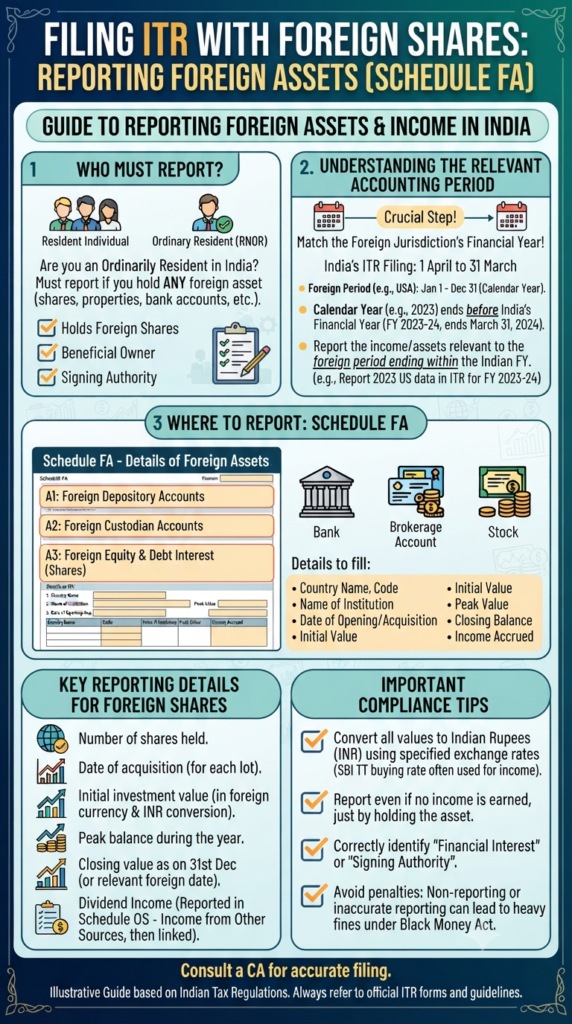
The short answer? Yes. If you are a resident of India, transparency is key when it comes to your global footprint.
Why Schedule FA Matters
Think of Schedule FA (Foreign Assets) as the Income Tax Department’s way of keeping the map updated. It is mandatory for any resident in India who:
- Holds any asset outside India.
- Has signing authority in an account located outside India.
- Earns income from a source outside India.
Even if you held that asset for just a single day during the relevant period, it needs to be declared. It’s important to note that this is specifically for residents; if you are a non-resident (NR) or Not Ordinarily Resident (NOR), this requirement doesn’t apply to you.
The “Accounting Period” Confusion
One of the most common points of confusion for investors is the timeline. You might be wondering, “My investment country follows a July-to-June financial year, but India follows April-to-March. Which one do I use?”
The good news is that the Income Tax Department provides a clear standard: the calendar year.
For your ITR filing for the Assessment Year 2026-27, you must report all foreign assets held between January 1, 2025, and December 31, 2025. Regardless of the fiscal year followed by the country where your assets are located, the reporting mandate is tied to this specific calendar period.
A Quick Reality Check
To make it easier, here is how the timing works:
- If you bought shares in January 2025: Since this falls within the relevant calendar year (Jan 1, 2025 – Dec 31, 2025), you must report these details in your ITR for the Assessment Year 2026-27.
- If you bought shares in January 2026: Even though this is still within the Indian financial year (April 2025 – March 2026), it falls outside the relevant calendar year. Therefore, you do not need to report this in the current ITR—it will be covered in the next Tax Year.
Final Thoughts
Filing your taxes shouldn’t feel like a hurdle, especially when you’re growing your portfolio globally. By keeping a clear record of your assets and understanding these simple reporting windows, you stay compliant and confident. As always, if you’re ever in doubt about the nuances of your specific investments, consulting with a Chartered Accountant is a smart way to ensure everything is filed accurately and on time.
Disclaimer: This article is for informational purposes based on current tax guidelines. Always refer to official Income Tax forms and seek professional advice for your specific financial situation.
Decoding Your Paycheck: A Simple Guide to the Child Education Allowance (CEA)

The narrative of Indian finance is changing. For generations, the Indian investor’s journey began and ended with safe, traditional avenues like fixed deposits and gold. While secure, these options often struggled to beat inflation, limiting true wealth creation. Today, that script is being rewritten. We are witnessing an unprecedented “financial awakening,” where millions of Indians…

Have you ever wondered what banks and mutual fund houses really think about your accounts? We often view our savings account as the foundation of our financial life—a place to park our salary, pay our bills, and keep our “emergency” cash. But there is a growing realization in the financial world that the traditional savings…
Continue Reading Why Your SIP is More Than Just an Investment—It’s Your New Financial “Superpower”

If you have ever held a bank account, real estate, or stocks in another country, you know the anxiety that can come with filing your Income Tax Return (ITR). There has always been a subtle question in the back of many taxpayers’ minds: “Does the tax department already know about this?” As of July 8,…
Continue Reading Hidden No More: What the New AIS Update Means for Your Foreign Assets
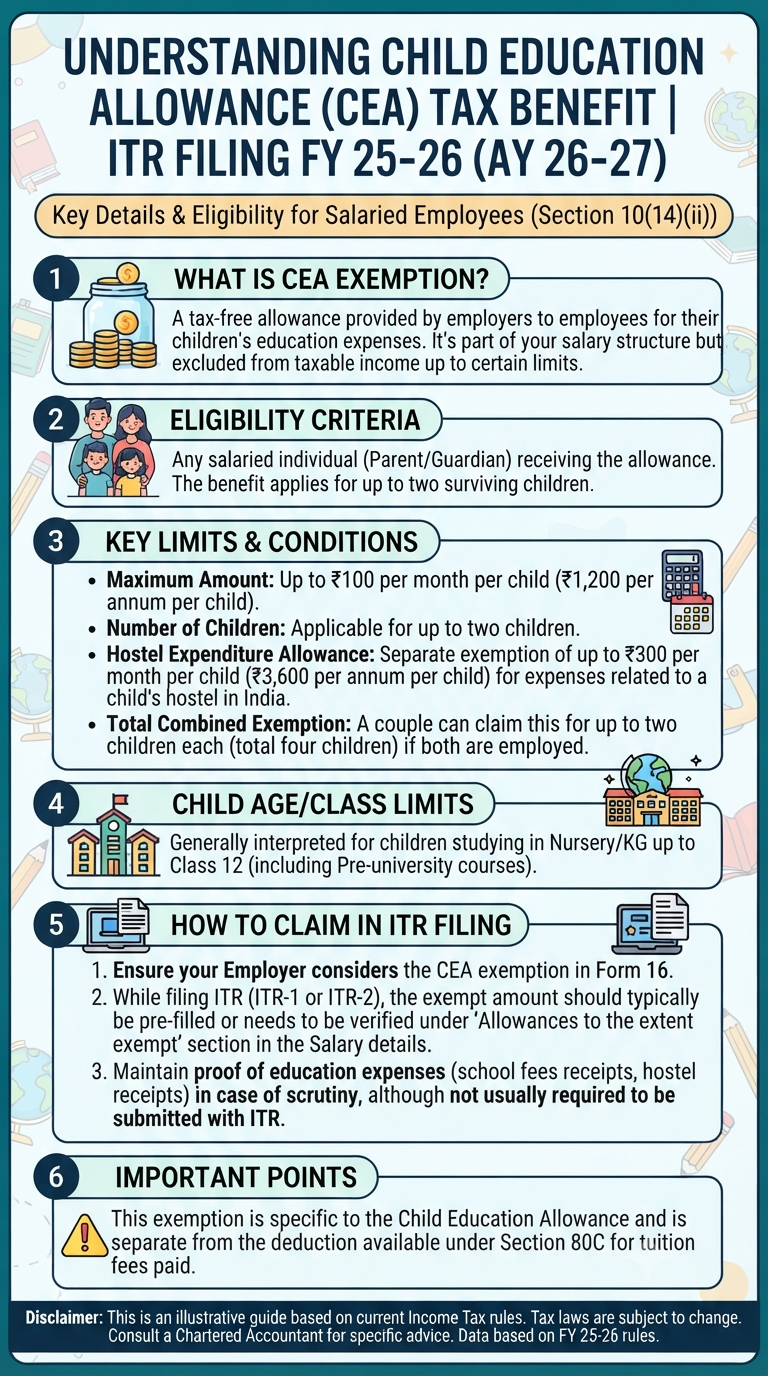
If you’re a salaried parent, you know that the costs of schooling—from uniforms to those ever-increasing activity fees—can add up fast. While we all want the best for our kids, wouldn’t it be nice if the taxman gave us a little breather? Enter the Child Education Allowance (CEA). It’s one of those “hidden” perks in…
Continue Reading Decoding Your Paycheck: A Simple Guide to the Child Education Allowance (CEA)
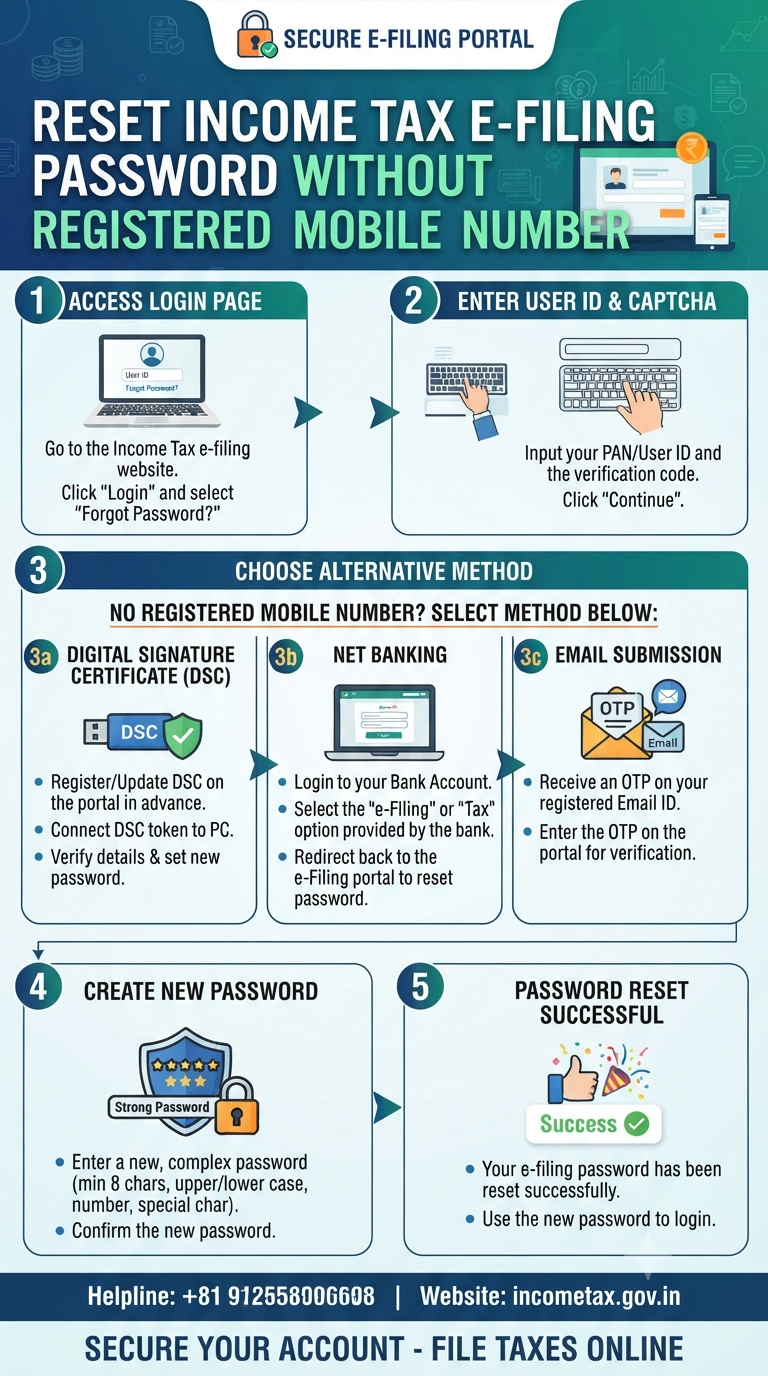
Locked Out of Your Income Tax Account? How to Reset Your Password Without a Registered Mobile Number
We’ve all been there—it’s time to file your ITR, you sit down with your documents, head to the Income Tax e-filing portal, and then… total blank. You’ve forgotten your password. Usually, this is a minor annoyance solved by a quick OTP sent to your registered mobile number. But what if you’ve changed your number, lost…

For many salaried professionals, the New Tax Regime feels like a simplified, straightforward path. But is it truly the best way to handle your hard-earned money? A common misconception is that the New Tax Regime leaves no room for tax planning. The reality? You don’t have to settle for a higher tax bill just because…

Shreejith is the founder of InfographicStory.com, a hub for visual learning and data storytelling. Dedicated to simplifying complex ideas, he creates infographics that turn facts into insights. Have questions or collaboration ideas? Reach out to him at storyinfographic@gmail.com.