If you have ever held a bank account, real estate, or stocks in another country, you know the anxiety that can come with filing your Income Tax Return (ITR). There has always been a subtle question in the back of many taxpayers’ minds: “Does the tax department already know about this?”

As of July 8, 2026, the answer is becoming much clearer—and more transparent.
The Central Board of Direct Taxes (CBDT) has issued a new order authorizing the Income Tax Department to upload information received under the Automatic Exchange of Information (AEOI) framework directly into your Annual Information Statement (AIS).
What is Changing?
For years, the Indian government has been receiving financial data from foreign jurisdictions under the AEOI framework to promote global tax transparency. Until now, this was essentially a “black box”—the data went straight to the tax department, and you only found out what they knew if you received a formal notice or were selected for scrutiny.
This new update shifts that dynamic. By populating your AIS with this foreign financial information, the tax department is effectively giving you a “preview” of what they have on file. The data being uploaded will cover the calendar years 2022, 2023, 2024, and 2025.
Why This is Actually Good News
While the idea of the tax department tracking your global footprint might sound intimidating, experts view this as a significant benefit for honest taxpayers.
- Transparency and Reconciliation: You can now cross-verify your own records against the information the government has received before you even file your ITR.
- Correction Mechanism: If you spot an error—or if the information attributed to you is incorrect—the AIS feedback mechanism allows you to flag it. This provides a proactive way to fix issues rather than waiting for a dreaded compliance notice later on.
- Encouraging Voluntary Disclosure: This move signals that the government prefers taxpayers to “self-correct” and disclose fully, rather than relying on penalties for accidental omissions.
What You Should Do Now
If you hold foreign assets or earn foreign income, consider these steps to stay tax-savvy:
- Check Your AIS: Log in to your income tax portal and review your updated AIS. Familiarize yourself with what is being reported.
- Compare with Schedule FA: Ensure the details in your AIS match your reporting in Schedule FA (Foreign Assets) of your ITR.
- Address Discrepancies: If you find gaps, don’t panic. Mismatches can happen due to genuine misunderstandings about tax residency or legacy holdings. Consult with a tax professional to see if you need to file an updated return to regularize your past reporting.
The goal here isn’t just to catch non-compliance; it is to create a clearer, more transparent system where you have the tools to ensure your filings are accurate and complete. Stay proactive, review your records, and file with confidence.
Beyond Borders: A Simple Guide to Reporting Your Foreign Assets in Your ITR

We’ve all been there—scrolling through an investment app, seeing a shiny new mutual fund, and thinking, “Why not? Adding another one can’t hurt, right?” It’s easy to fall into the trap of “fund collecting.” You assume that by holding ten, fifteen, or twenty different schemes, you’re becoming the ultimate master of diversification. But according to…
Continue Reading Less is More: Why Your Portfolio Doesn’t Need a Dozen Mutual Funds

The narrative of Indian finance is changing. For generations, the Indian investor’s journey began and ended with safe, traditional avenues like fixed deposits and gold. While secure, these options often struggled to beat inflation, limiting true wealth creation. Today, that script is being rewritten. We are witnessing an unprecedented “financial awakening,” where millions of Indians…

Have you ever wondered what banks and mutual fund houses really think about your accounts? We often view our savings account as the foundation of our financial life—a place to park our salary, pay our bills, and keep our “emergency” cash. But there is a growing realization in the financial world that the traditional savings…
Continue Reading Why Your SIP is More Than Just an Investment—It’s Your New Financial “Superpower”
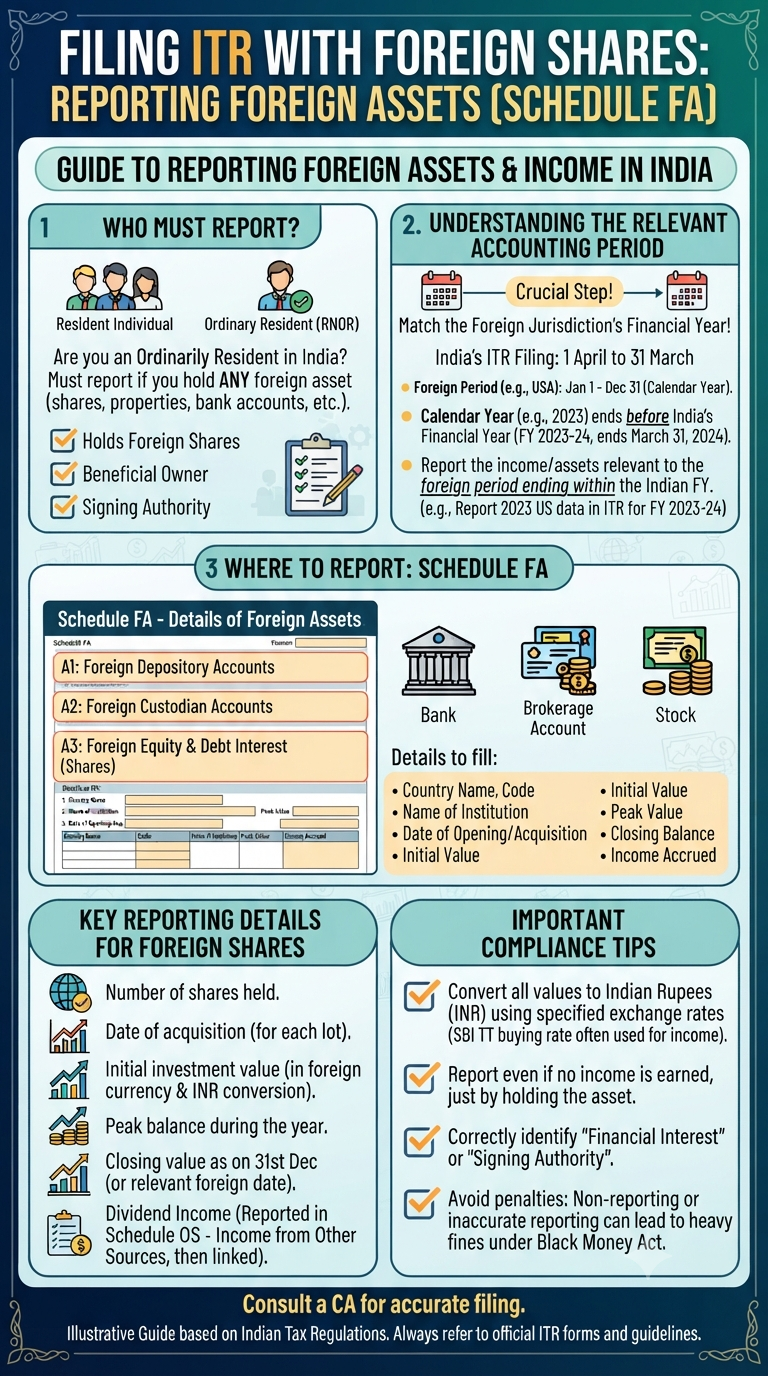
So, you’ve dipped your toes into the global market. Whether it’s those Google shares you picked up, a mutual fund in a different country, or simply maintaining an account abroad, investing internationally can be an exciting journey. But as the tax season rolls around, a common question often pops up: “Do I really need to…
Continue Reading Beyond Borders: A Simple Guide to Reporting Your Foreign Assets in Your ITR
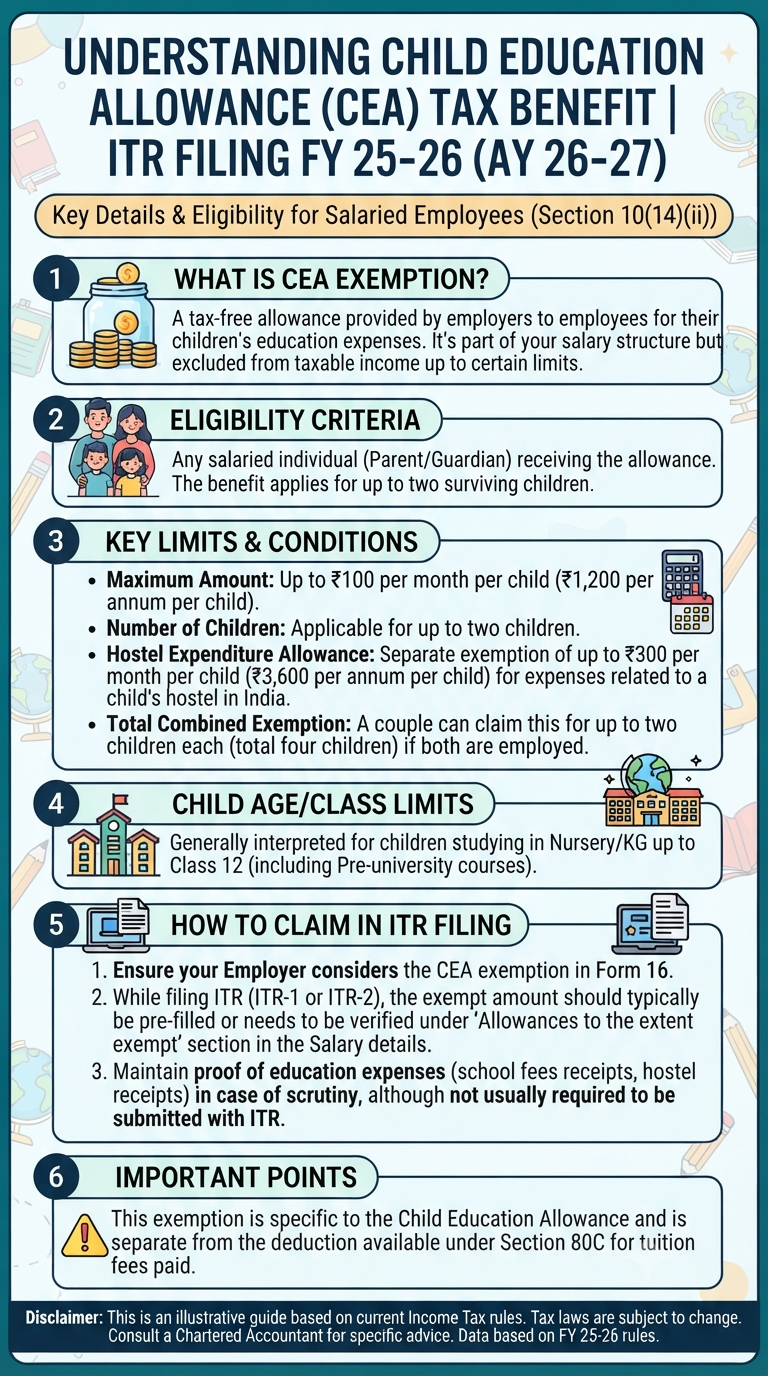
If you’re a salaried parent, you know that the costs of schooling—from uniforms to those ever-increasing activity fees—can add up fast. While we all want the best for our kids, wouldn’t it be nice if the taxman gave us a little breather? Enter the Child Education Allowance (CEA). It’s one of those “hidden” perks in…
Continue Reading Decoding Your Paycheck: A Simple Guide to the Child Education Allowance (CEA)
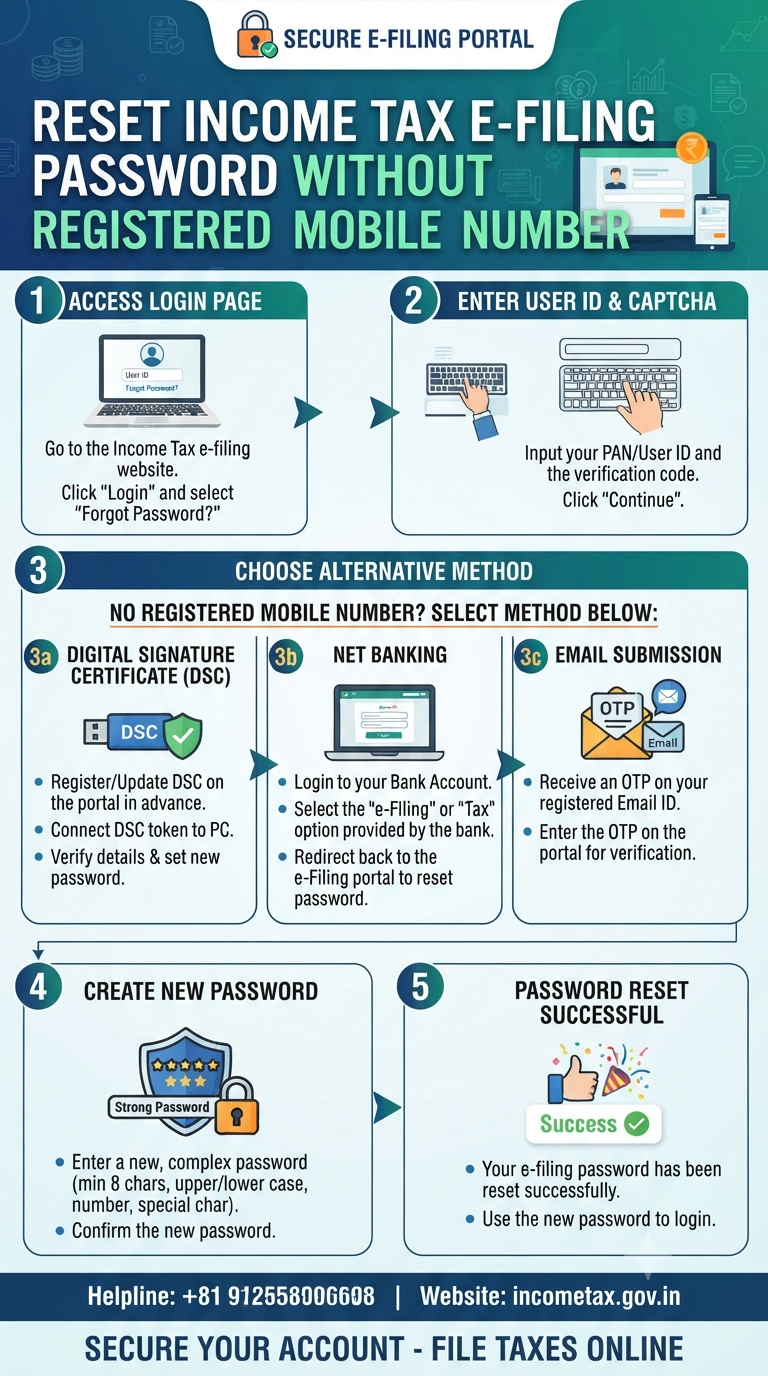
Locked Out of Your Income Tax Account? How to Reset Your Password Without a Registered Mobile Number
We’ve all been there—it’s time to file your ITR, you sit down with your documents, head to the Income Tax e-filing portal, and then… total blank. You’ve forgotten your password. Usually, this is a minor annoyance solved by a quick OTP sent to your registered mobile number. But what if you’ve changed your number, lost…

Shreejith is the founder of InfographicStory.com, a hub for visual learning and data storytelling. Dedicated to simplifying complex ideas, he creates infographics that turn facts into insights. Have questions or collaboration ideas? Reach out to him at storyinfographic@gmail.com.