If you’re a salaried parent, you know that the costs of schooling—from uniforms to those ever-increasing activity fees—can add up fast. While we all want the best for our kids, wouldn’t it be nice if the taxman gave us a little breather?
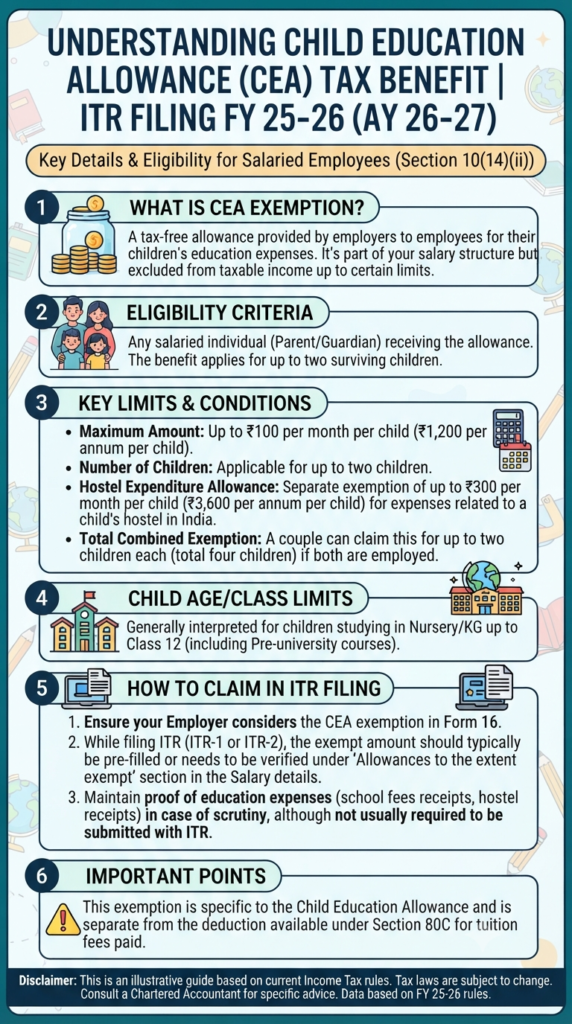
Enter the Child Education Allowance (CEA). It’s one of those “hidden” perks in your salary slip that often gets overlooked, but knowing how it works can make a tangible difference in your tax planning. If you’re currently navigating the complexities of your ITR filing for FY 25-26, here is the lowdown on what this allowance is and how you can make the most of it.
What Exactly is the CEA Exemption?
Think of the CEA as a small, tax-free pat on the back from your employer. Essentially, it is a specific component of your salary structure designed to help cover education-related expenses. The best part? Because it is classified as an “exempt” allowance under Section 10(14)(ii) of the Income Tax Act, it is excluded from your taxable income up to a certain limit. In plain English: you don’t pay tax on this portion of your salary.
Who Can Claim It?
This benefit is specifically for salaried individuals—parents or legal guardians—who receive this allowance as part of their employment contract. There is a catch, though: the tax benefit is limited to a maximum of two surviving children.
Breaking Down the Limits
The government keeps the math relatively straightforward, though the numbers themselves are quite modest by today’s standards:
- The Allowance: You can claim an exemption of up to ₹100 per month, per child. This translates to a total of ₹1,200 per annum, per child.
- The Hostel Perk: If your child stays in a hostel, there is a separate “Hostel Expenditure Allowance.” You can claim an additional exemption of up to ₹300 per month, per child (or ₹3,600 per annum, per child).
- The Power Couple Strategy: If you and your spouse are both salaried employees, you can both claim this allowance. This means that, between the two of you, you could effectively claim the exemption for up to four children (two children each).
A Note on Age and Education
Generally, this allowance is intended for children pursuing education from Nursery/KG all the way up to Class 12, including pre-university courses. It’s built to cover those crucial foundational years.
How to Ensure You’re Getting the Benefit
Don’t panic if you don’t see a massive deduction on your ITR form—the process is designed to be seamless:
- Check Your Form 16: Your employer is the first gatekeeper. Ensure they have accounted for the CEA exemption when calculating your taxable income and issuing your Form 16.
- Verify at Filing: When you sit down to file your ITR (either ITR-1 or ITR-2), the exempt amount should ideally be pre-filled. If it isn’t, ensure it is correctly verified under the “Allowances to the extent exempt” section within your salary details.
- Keep Records: While you aren’t usually required to submit school fee receipts or hostel bills along with your ITR, it is a golden rule of tax filing to keep these documents safe. If the tax department ever sends a query, you’ll be ready to provide proof of the expenses you claimed.
Don’t Confuse it with 80C
A common point of confusion is mixing up the CEA with the deduction available under Section 80C. Remember, they are two different things! The CEA is an allowance exemption under salary income, while the 80C deduction is for the actual tuition fees paid (within the overall ₹1.5 lakh limit). You can, and should, take advantage of both.
Disclaimer: Tax rules can be tricky and are subject to change. This article is intended for informational purposes based on rules for FY 25-26 and should not be considered professional financial advice. Always consult with a Chartered Accountant to understand how these rules apply to your specific tax situation.
Locked Out of Your Income Tax Account? How to Reset Your Password Without a Registered Mobile Number
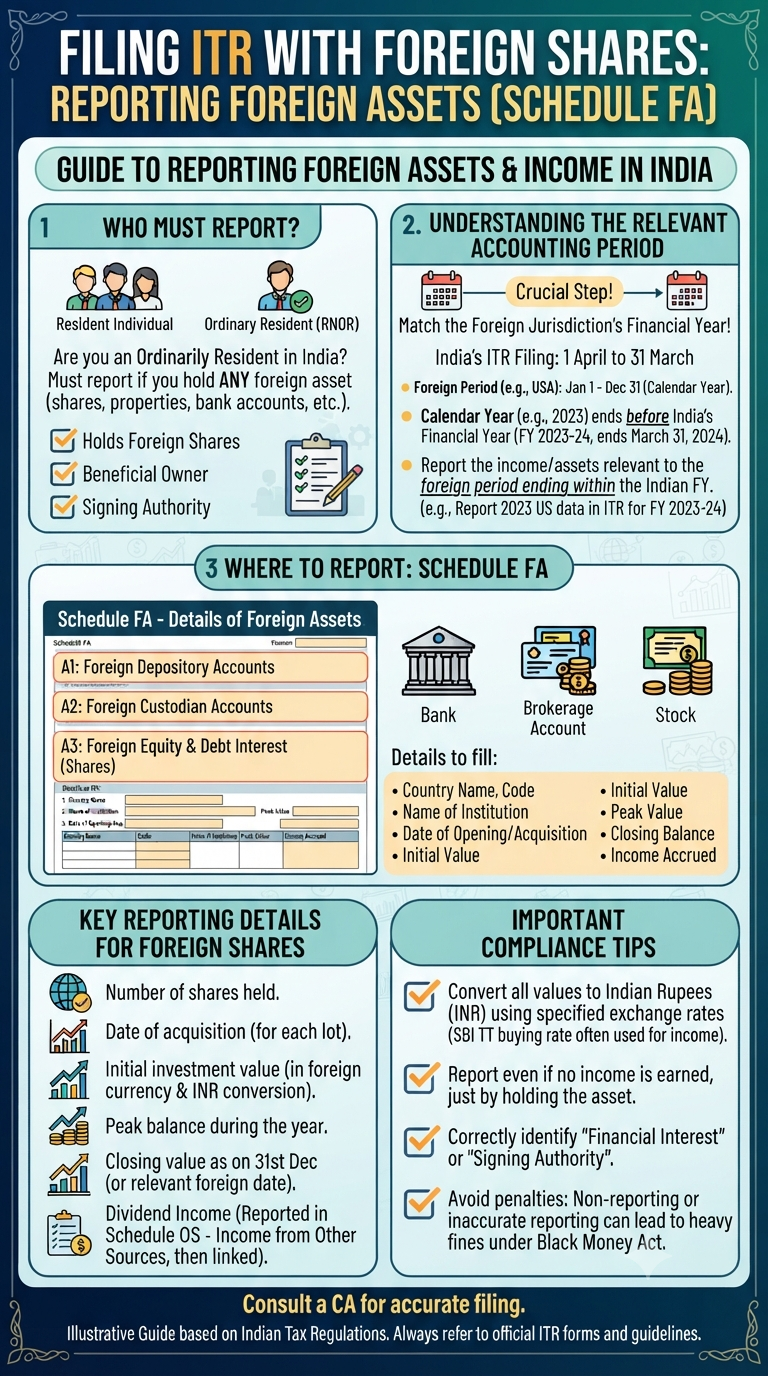
So, you’ve dipped your toes into the global market. Whether it’s those Google shares you picked up, a mutual fund in a different country, or simply maintaining an account abroad, investing internationally can be an exciting journey. But as the tax season rolls around, a common question often pops up: “Do I really need to…
Continue Reading Beyond Borders: A Simple Guide to Reporting Your Foreign Assets in Your ITR
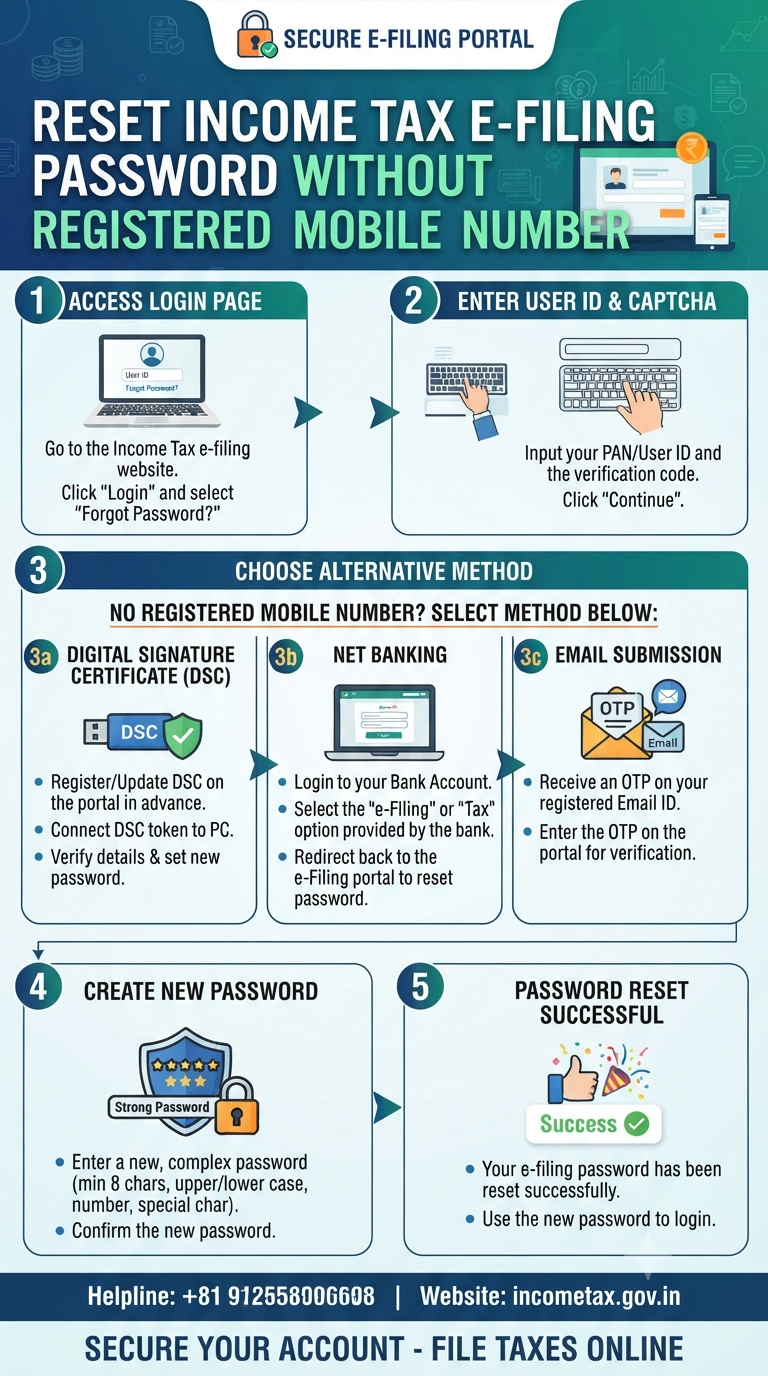
Locked Out of Your Income Tax Account? How to Reset Your Password Without a Registered Mobile Number
We’ve all been there—it’s time to file your ITR, you sit down with your documents, head to the Income Tax e-filing portal, and then… total blank. You’ve forgotten your password. Usually, this is a minor annoyance solved by a quick OTP sent to your registered mobile number. But what if you’ve changed your number, lost…
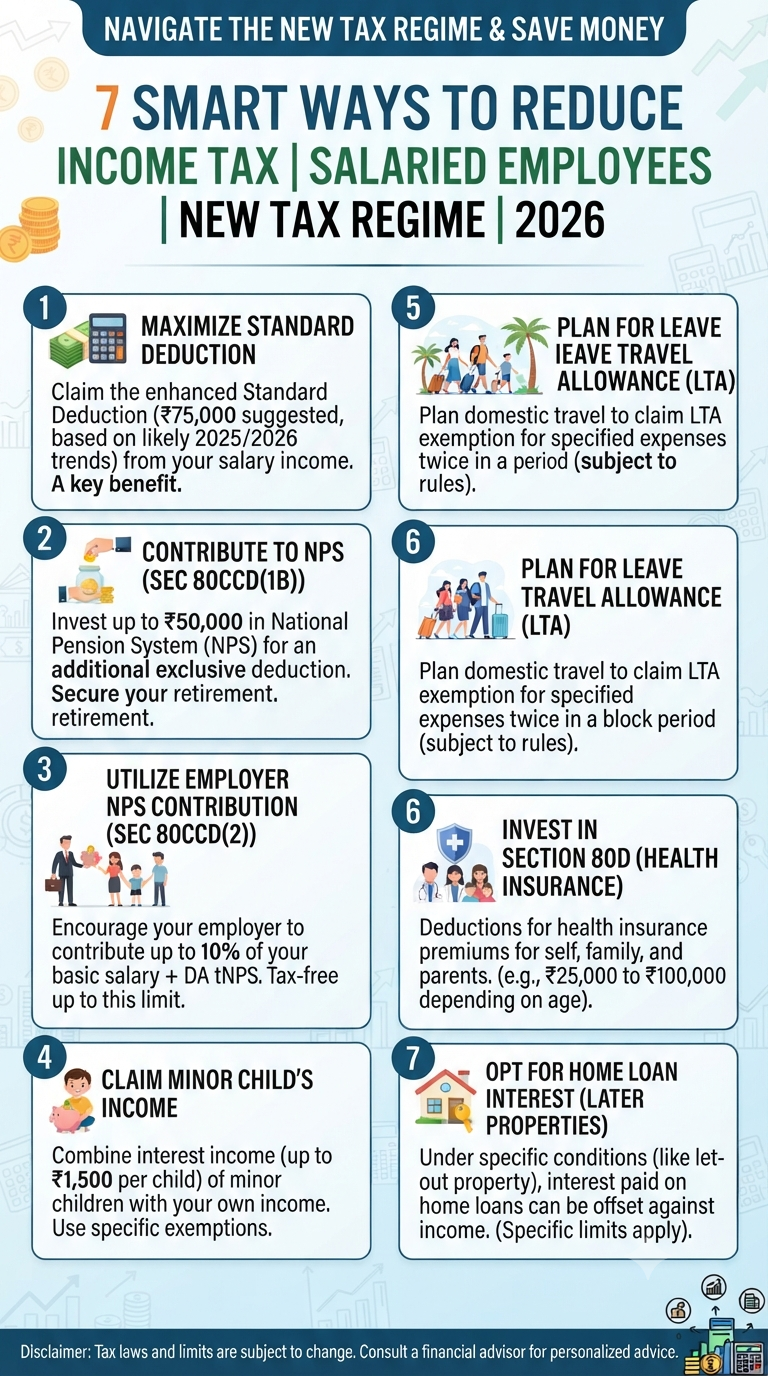
For many salaried professionals, the New Tax Regime feels like a simplified, straightforward path. But is it truly the best way to handle your hard-earned money? A common misconception is that the New Tax Regime leaves no room for tax planning. The reality? You don’t have to settle for a higher tax bill just because…
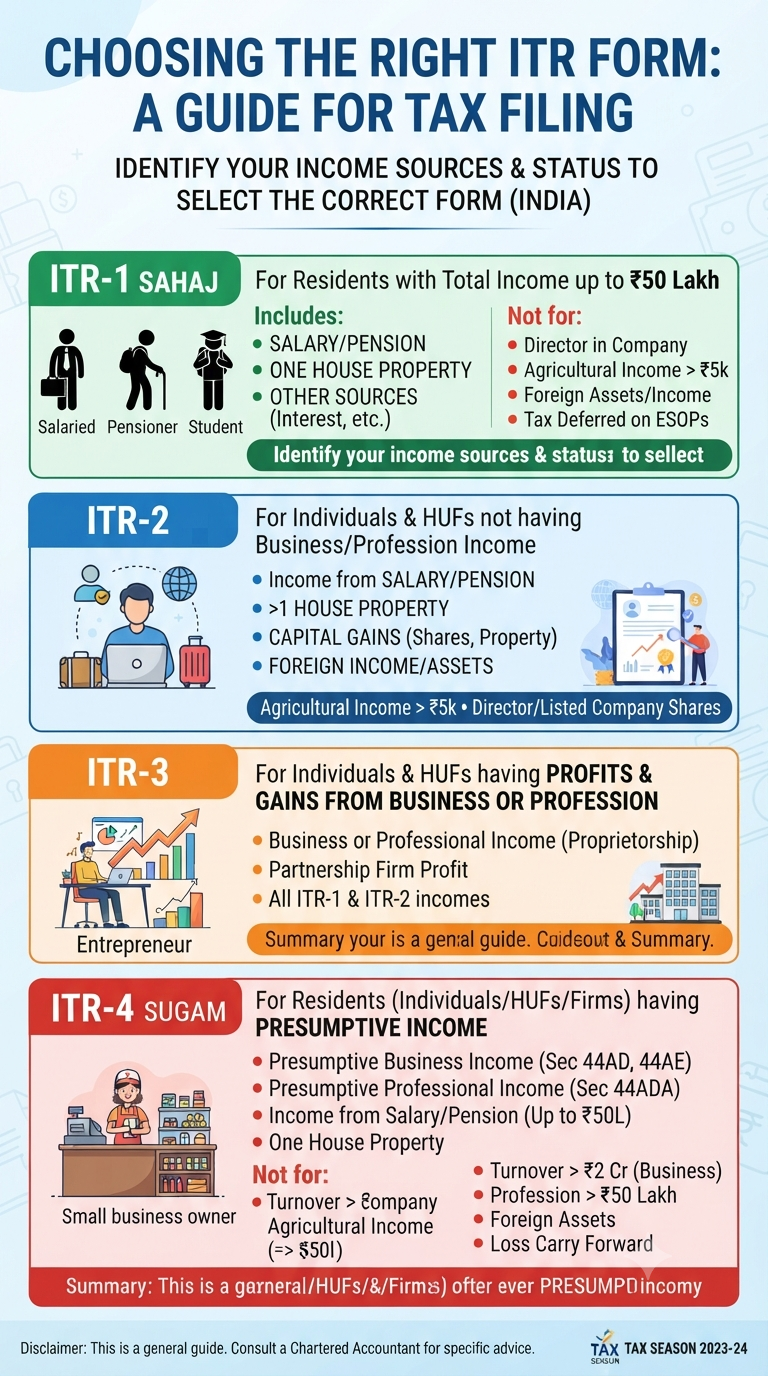
Tax season in India often brings a wave of confusion. While we all know the importance of filing our Income Tax Returns (ITR) on time, the real challenge lies in selecting the correct form. With several options available—ITR-1, ITR-2, ITR-3, and ITR-4—making the wrong choice can lead to delays or even scrutiny from the tax…
Continue Reading The Ultimate Guide to Choosing the Right ITR Form in India

We’re often told that if we just earn more, our problems will vanish. But look around. How many people do you know who earn a high salary but are constantly stressed, tethered to a desk, or unhappy with their lifestyle? The truth is, money is just a tool. If you don’t control how you use…
Continue Reading The Freedom Multiplier: Why Controlling Your ‘Ws’ Beats Chasing More Money
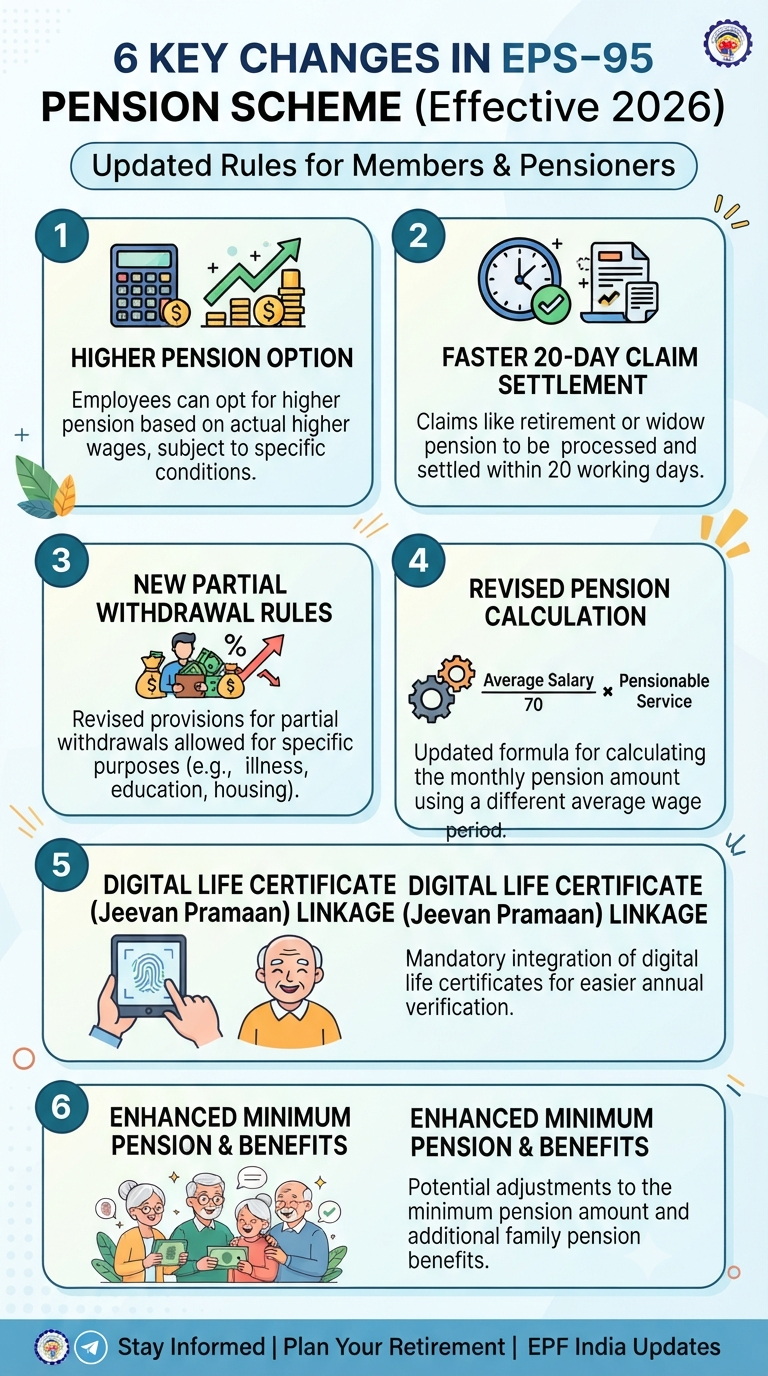
If you are one of the millions of employees contributing to the Employees’ Provident Fund (EPF), you’ve likely heard the buzz surrounding the Employees’ Pension Scheme (EPS) 2026. As we navigate a changing landscape of social security in India, the government has introduced a new set of guidelines aimed at making the system more efficient,…
Continue Reading Navigating the Future: 6 Key Changes to the EPS-95 Pension Scheme You Need to Know

Shreejith is the founder of InfographicStory.com, a hub for visual learning and data storytelling. Dedicated to simplifying complex ideas, he creates infographics that turn facts into insights. Have questions or collaboration ideas? Reach out to him at storyinfographic@gmail.com.