For many salaried professionals, the New Tax Regime feels like a simplified, straightforward path. But is it truly the best way to handle your hard-earned money? A common misconception is that the New Tax Regime leaves no room for tax planning.
The reality? You don’t have to settle for a higher tax bill just because you’ve opted for the default path. With a bit of strategic foresight, you can significantly optimize your tax liability while staying compliant in the 2026 financial year.
Here are seven smart ways to keep more of your paycheck in your pocket.
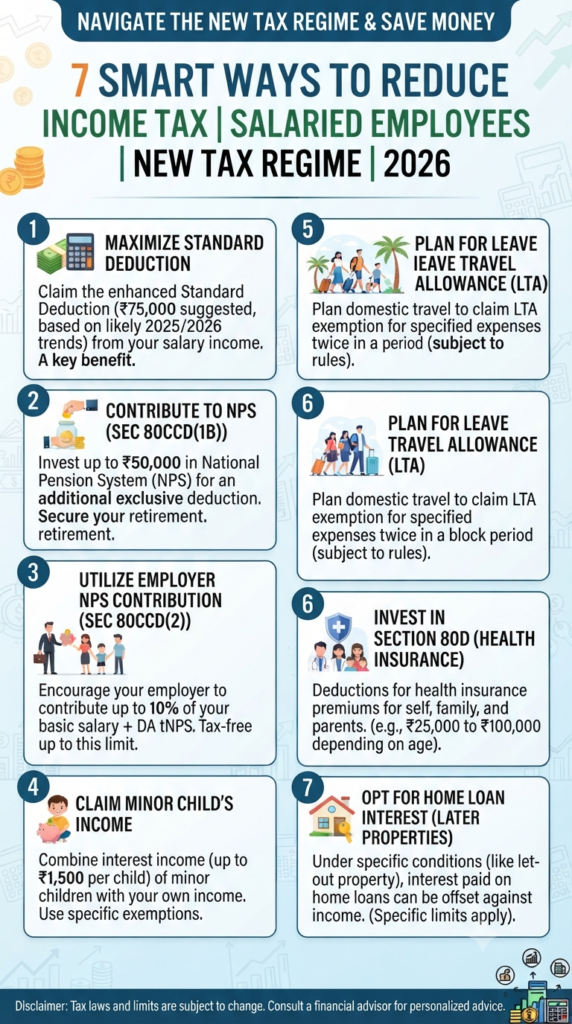
1. Maximize Your Standard Deduction
Don’t overlook the basics. The standard deduction is a flat reduction from your salary income before tax is calculated. For the 2026 tax season, ensure you are fully utilizing the enhanced standard deduction of Rs 75,000. It’s the easiest, no-hassle way to lower your taxable income right off the bat.
2. Boost Retirement Savings with NPS (Sec 80CCD(1B))
Did you know you can save tax while building a comfortable retirement nest egg? By investing up to Rs 50,000 in the National Pension System (NPS), you unlock an exclusive deduction under Section 80CCD(1B). It’s a “win-win” move that secures your future while providing immediate tax relief.
3. Leverage Employer Contributions (Sec 80CCD(2))
Your salary structure holds more power than you might think. Talk to your HR department about structuring your CTC to include employer contributions to the NPS. Your employer can contribute up to 10% of your basic salary plus Dearness Allowance (DA) toward your NPS account. This amount is tax-free up to that limit, making it a highly efficient way to reduce your taxable salary.
4. Optimize Home Loan Interest for Let-Out Properties
If you have a home loan on a property that is let out, you aren’t out of luck. Under the new regime, you can still claim deductions for interest paid on home loans for let-out properties. This can be used to offset your income, effectively lowering your tax burden.
5. Maximize Exempt Allowances and Perquisites
Not all salary components are taxed equally. Familiarize yourself with your company’s policy on official allowances and perquisites. Certain official expenses—if structured correctly—are exempt from taxation. Keeping receipts and ensuring your reimbursement claims are in order can make a noticeable difference at the end of the year.
6. Don’t Forget EPF Contributions
Your mandatory Employees’ Provident Fund (EPF) contribution is more than just a savings tool; it’s a tax-planning asset. These contributions are part of the broader framework that helps salaried employees manage their tax liability under the new regime. Ensure your contributions are regular and reflected correctly in your ITR filings.
7. Strategic Financial Planning
Tax planning isn’t a one-time chore to be rushed through in July; it’s a year-round habit. Whether it is adjusting your salary structure, staying updated on official allowance changes, or keeping your documentation in order, being proactive is the “smart” way to file.
The Bottom Line
The New Tax Regime is designed to be user-friendly, but that doesn’t mean you should leave money on the table. By combining these seven strategies—from maximizing your standard deduction to smart investment in NPS—you can take control of your financial health.
Disclaimer: Tax laws are subject to change, and individual financial situations vary. Always consult with a certified financial advisor or tax professional before making significant changes to your investment or tax strategy.
The Ultimate Guide to Choosing the Right ITR Form in India
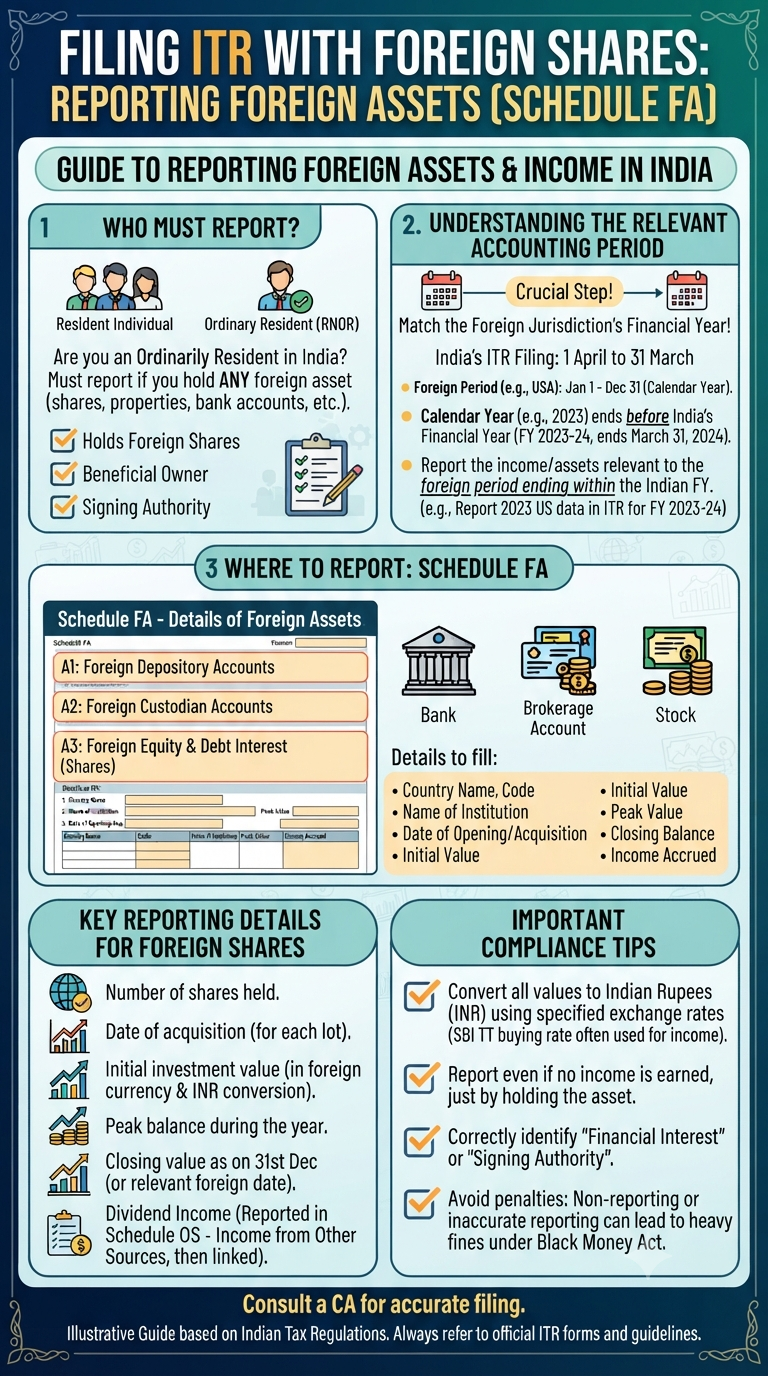
So, you’ve dipped your toes into the global market. Whether it’s those Google shares you picked up, a mutual fund in a different country, or simply maintaining an account abroad, investing internationally can be an exciting journey. But as the tax season rolls around, a common question often pops up: “Do I really need to…
Continue Reading Beyond Borders: A Simple Guide to Reporting Your Foreign Assets in Your ITR
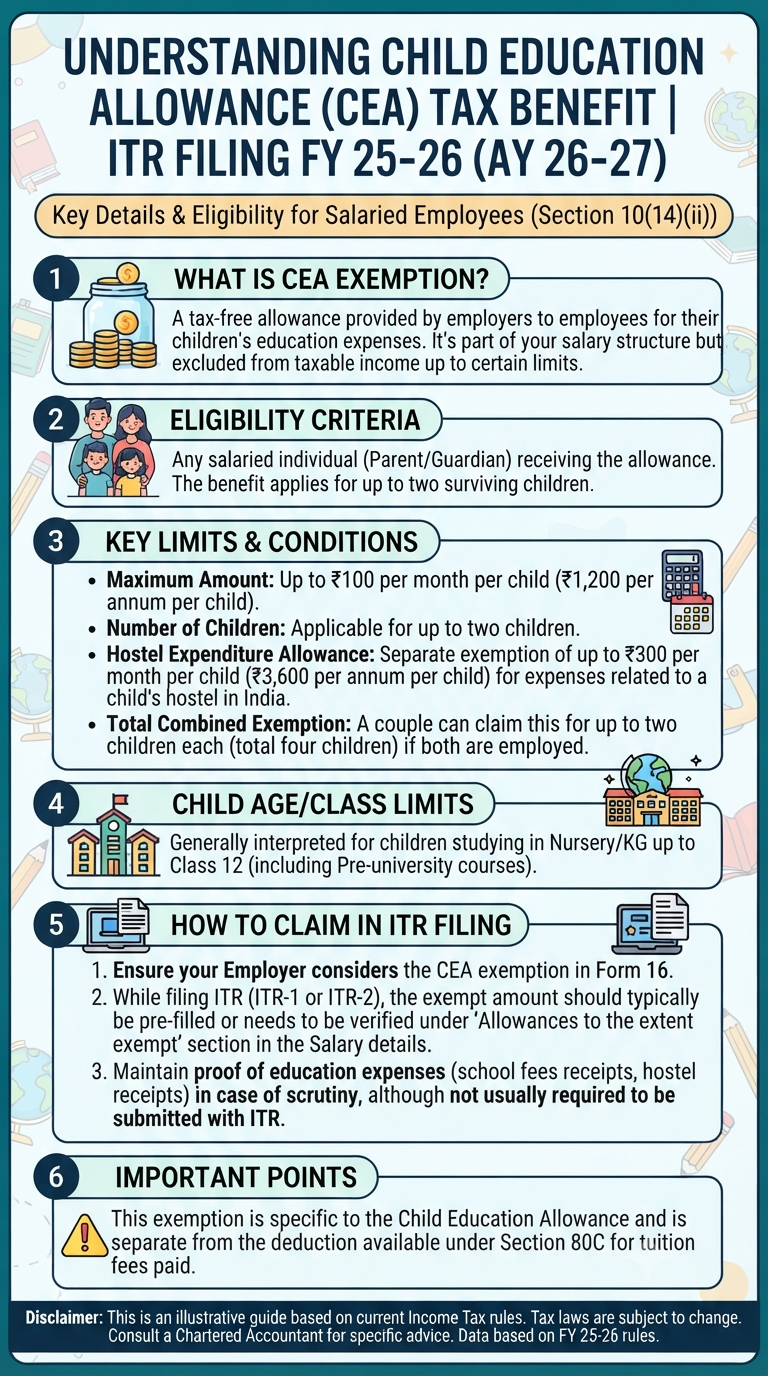
If you’re a salaried parent, you know that the costs of schooling—from uniforms to those ever-increasing activity fees—can add up fast. While we all want the best for our kids, wouldn’t it be nice if the taxman gave us a little breather? Enter the Child Education Allowance (CEA). It’s one of those “hidden” perks in…
Continue Reading Decoding Your Paycheck: A Simple Guide to the Child Education Allowance (CEA)
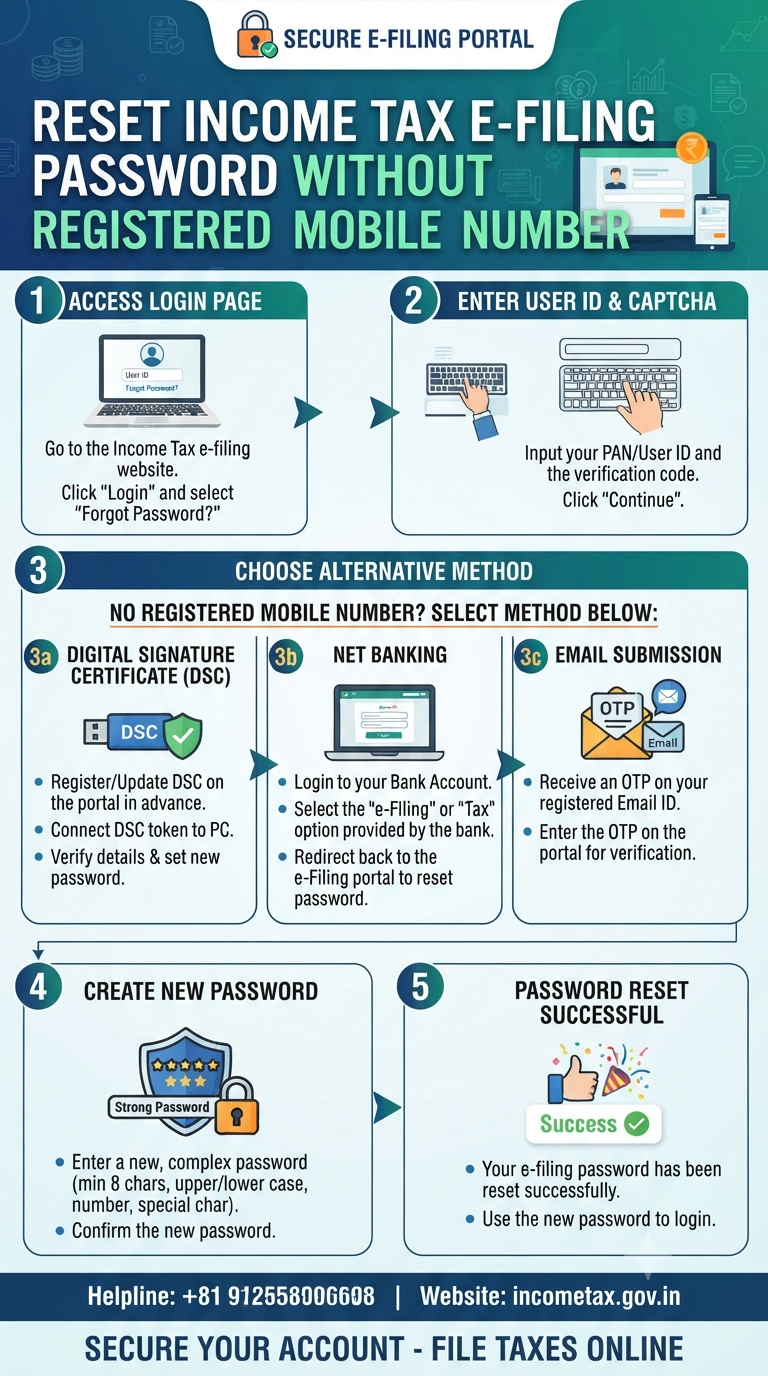
Locked Out of Your Income Tax Account? How to Reset Your Password Without a Registered Mobile Number
We’ve all been there—it’s time to file your ITR, you sit down with your documents, head to the Income Tax e-filing portal, and then… total blank. You’ve forgotten your password. Usually, this is a minor annoyance solved by a quick OTP sent to your registered mobile number. But what if you’ve changed your number, lost…
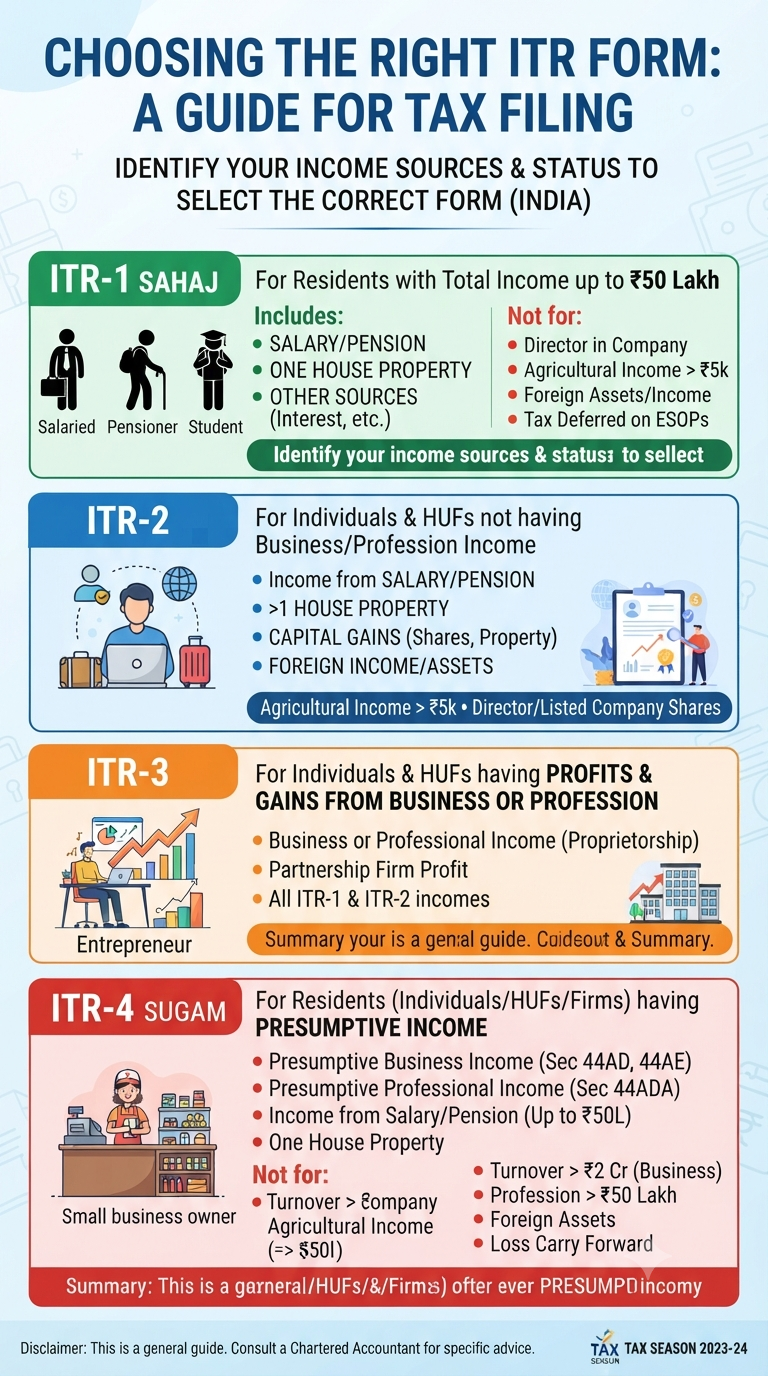
Tax season in India often brings a wave of confusion. While we all know the importance of filing our Income Tax Returns (ITR) on time, the real challenge lies in selecting the correct form. With several options available—ITR-1, ITR-2, ITR-3, and ITR-4—making the wrong choice can lead to delays or even scrutiny from the tax…
Continue Reading The Ultimate Guide to Choosing the Right ITR Form in India

We’re often told that if we just earn more, our problems will vanish. But look around. How many people do you know who earn a high salary but are constantly stressed, tethered to a desk, or unhappy with their lifestyle? The truth is, money is just a tool. If you don’t control how you use…
Continue Reading The Freedom Multiplier: Why Controlling Your ‘Ws’ Beats Chasing More Money
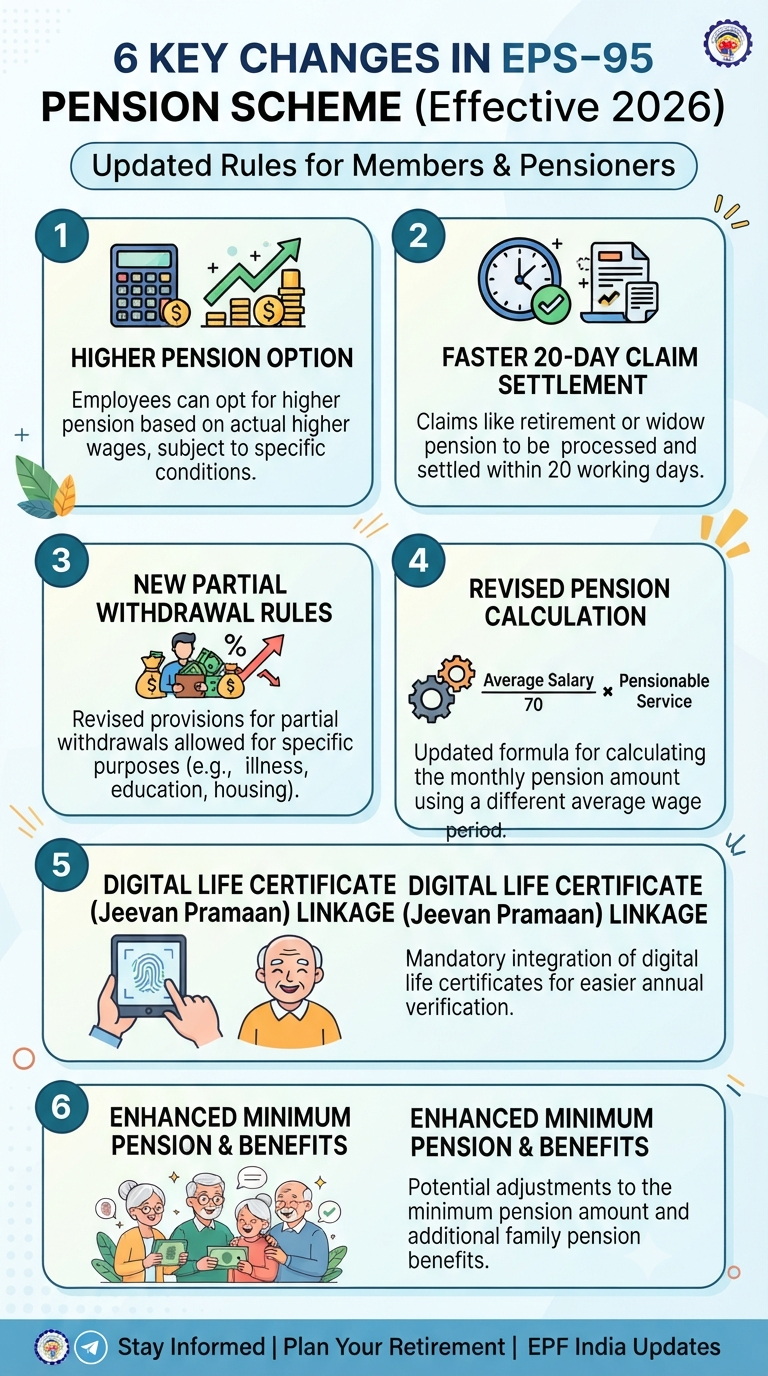
If you are one of the millions of employees contributing to the Employees’ Provident Fund (EPF), you’ve likely heard the buzz surrounding the Employees’ Pension Scheme (EPS) 2026. As we navigate a changing landscape of social security in India, the government has introduced a new set of guidelines aimed at making the system more efficient,…
Continue Reading Navigating the Future: 6 Key Changes to the EPS-95 Pension Scheme You Need to Know

Shreejith is the founder of InfographicStory.com, a hub for visual learning and data storytelling. Dedicated to simplifying complex ideas, he creates infographics that turn facts into insights. Have questions or collaboration ideas? Reach out to him at storyinfographic@gmail.com.