For over seven decades, the Employees’ Provident Fund (EPF) has been the cornerstone of retirement planning for millions of Indian workers. Since 1952, the system has remained largely unchanged—until now.
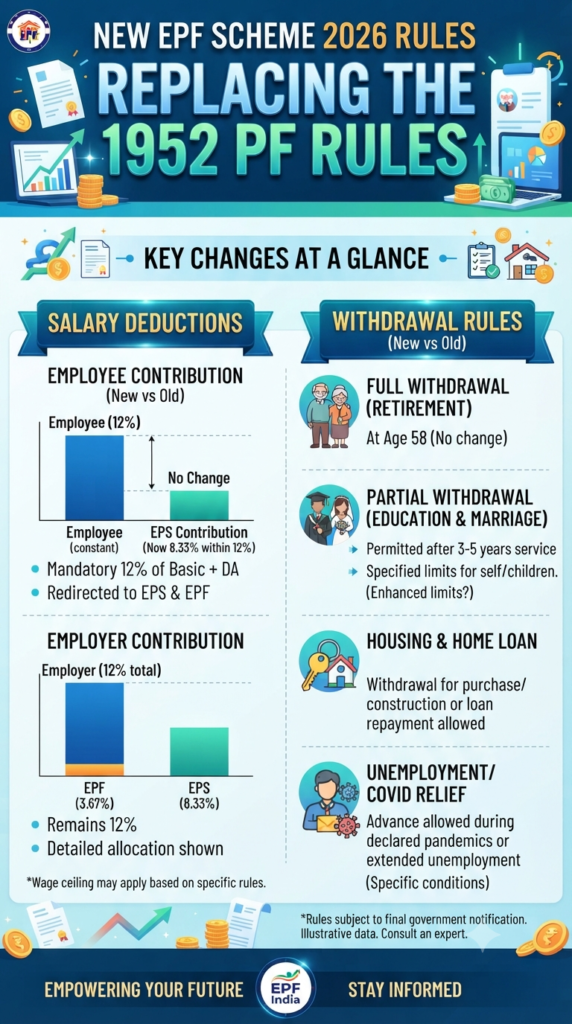
In a massive structural shift, the Central Government has officially bid farewell to the 74-year-old PF regulations, replacing them with the EPF Scheme 2026. If you are an employee, this isn’t just bureaucratic red tape; it is a fundamental change that directly impacts your paycheck, your take-home salary, and how you access your hard-earned money when you need it most.
Why the Change?
The world of work has transformed drastically since 1952. The gig economy, the rise of digital finance, and changing career patterns meant that the old, rigid PF framework was struggling to keep pace. The EPF Scheme 2026, officially ushered in via a gazette notification on June 29, 2026, is the government’s answer to modernizing this social security pillar.
What This Means for Your Paycheck
One of the most immediate concerns for any employee is, “How does this change my monthly salary?”
The new scheme introduces updated guidelines for PF amount deductions. By streamlining the contribution mechanism, the government aims to balance long-term financial security with the immediate cash-flow needs of the workforce. While the exact impact varies depending on your specific wage bracket and employer structure, the overarching goal is to make the deduction process more transparent and aligned with modern payroll practices.
Withdrawal Rules: More Flexibility?
Perhaps the most anticipated part of the 2026 update involves the withdrawal rules. Historically, pulling money out of a PF account felt like navigating a maze of paperwork and restrictions.
The new scheme focuses on simplifying these processes. Whether it’s for a medical emergency, educational needs, or housing, the 2026 rules aim to make the withdrawal process more efficient and user-friendly. The intent is clear: to ensure that while your savings remain a secure nest egg for retirement, the funds are also more accessible during genuine life crises.
Should You Be Worried?
Change often brings uncertainty, but for most employees, this transition is a positive step toward a more digitized and responsive social security system.
Here is what you should do next:
- Check your payslip: In the coming months, keep an eye on your salary slip to see how the new deduction rules are reflected.
- Stay updated with the EPF portal: The EPFO (Employees’ Provident Fund Organisation) is rolling out updates to their digital portal to accommodate these changes. Ensure your UAN (Universal Account Number) is linked to your Aadhaar and mobile number for seamless notifications.
- Consult your HR: Your company’s payroll department is your best resource for understanding how these specific rules apply to your organization’s compensation structure.
The Bottom Line
The shift from the 1952 act to the 2026 scheme represents a significant leap forward in financial governance. While it might take a few months for the ecosystem to fully adapt, these changes are designed to bring the EPF into the 21st century.
Stay informed, keep track of your contributions, and make sure your retirement planning stays on the right track!
Disclaimer: This article is for informational purposes only. Please consult official government notifications and your employer’s HR department for specific details regarding your financial situation.
Golden Years, Golden Returns: Decoding the Best FD Rates for Senior Citizens in July 2026
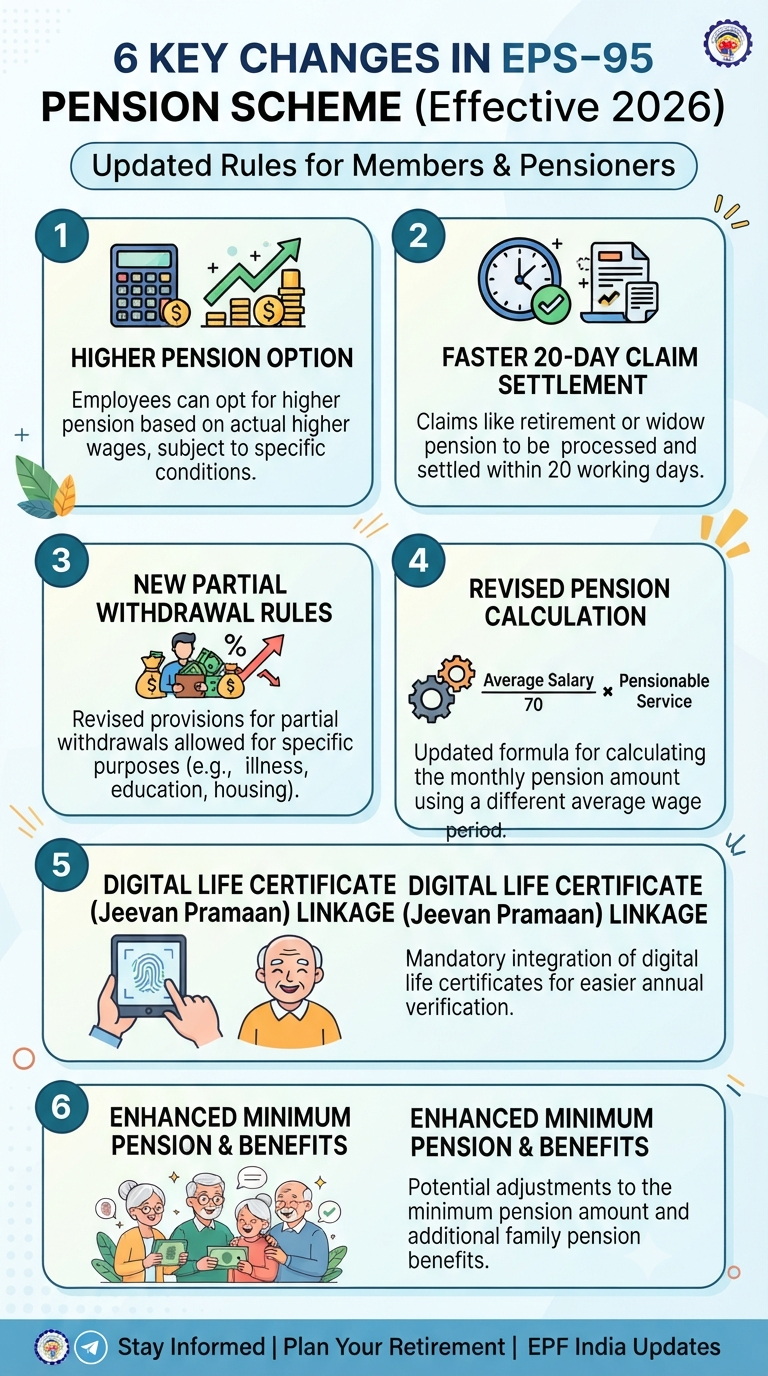
If you are one of the millions of employees contributing to the Employees’ Provident Fund (EPF), you’ve likely heard the buzz surrounding the Employees’ Pension Scheme (EPS) 2026. As we navigate a changing landscape of social security in India, the government has introduced a new set of guidelines aimed at making the system more efficient,…
Continue Reading Navigating the Future: 6 Key Changes to the EPS-95 Pension Scheme You Need to Know

Planning for your child’s future is perhaps the most important financial responsibility a parent carries. Whether it is dreaming about her higher education in a top-tier university or ensuring her wedding is everything she wished for, the math can sometimes feel overwhelming. But what if there was a government-backed “secret weapon” designed specifically to help…
Continue Reading The Secret to Building a Rs 50 Lakh Corpus for Your Daughter’s Future

If you’ve been keeping an eye on the markets lately, you know that gold isn’t just a shiny accessory—it’s the heartbeat of Indian investment. Whether you are planning for a wedding, looking for a festive gift, or simply bolstering your portfolio, staying updated on daily price shifts is essential. As of today, Friday, July 10,…
Continue Reading Decoding Today’s Gold Rush: A Buyer’s Guide to Navigating the Market
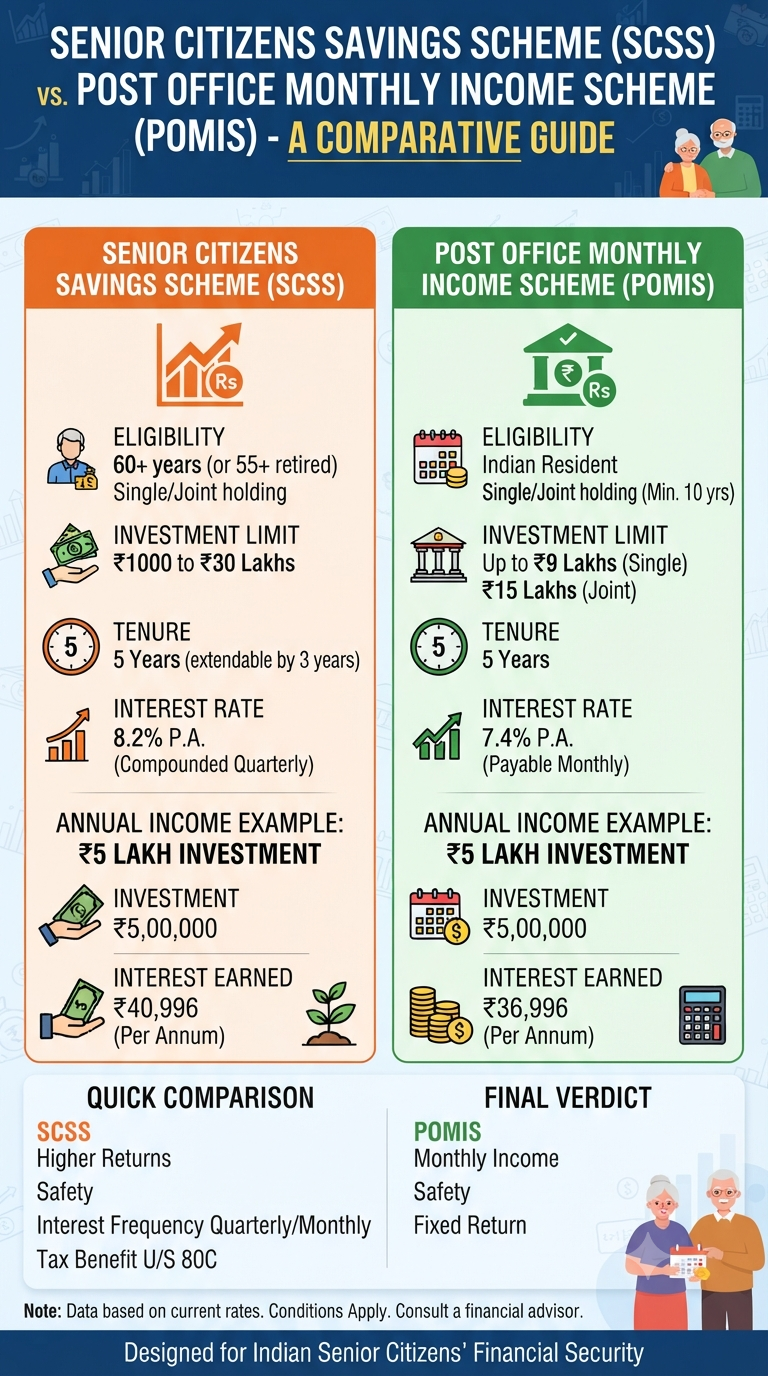
If you are looking for a safe, government-backed harbor for your hard-earned money, the Senior Citizens Savings Scheme (SCSS) and the Post Office Monthly Income Scheme (MIS) are likely at the top of your list. They offer peace of mind, stability, and the reliability of a sovereign guarantee. But when it comes to maximizing your…
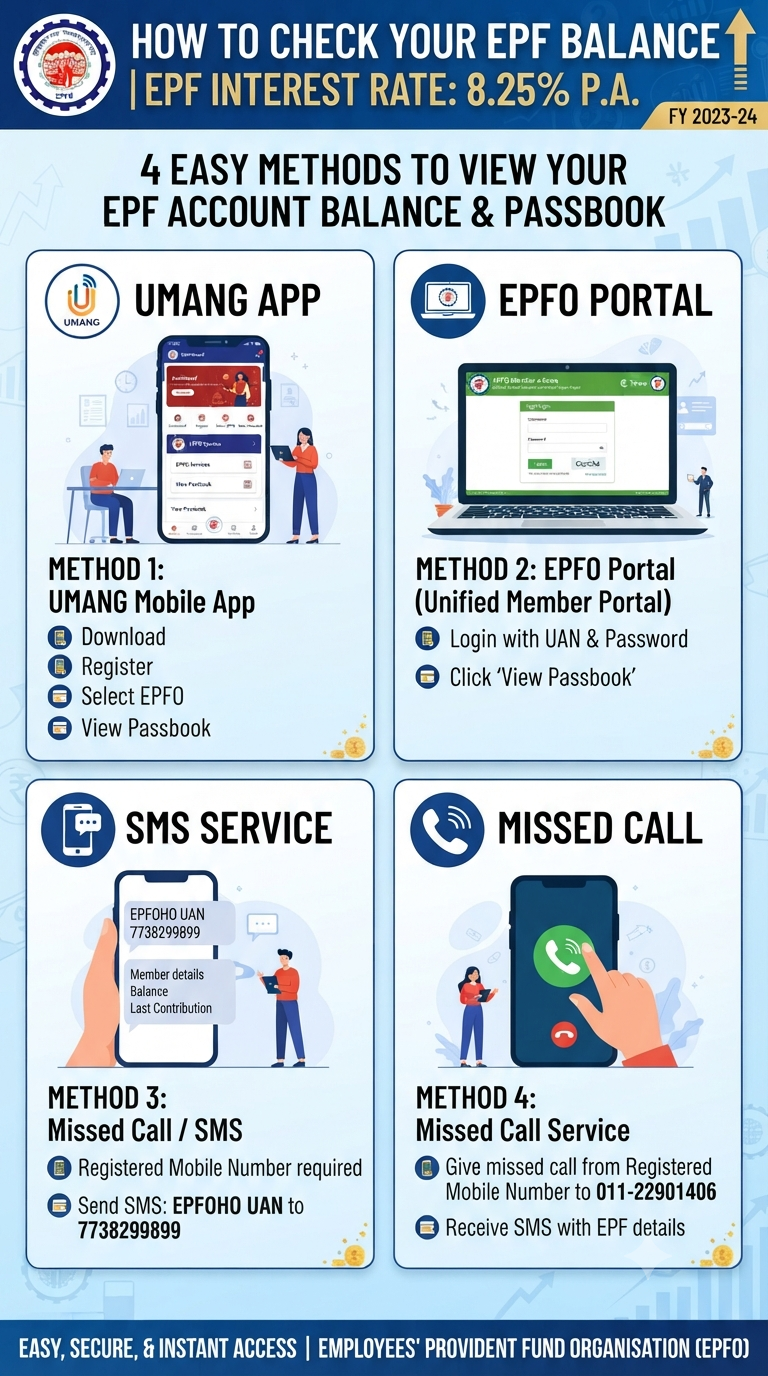
Let’s be honest. Most of us know EPF stands for Employees’ Provident Fund, and we know a chunk of our salary goes into it every month. But how many of us actually know exactly how much is in that corpus, or—more importantly—if that promised 8.25% interest has hit our account yet? If you’ve been meaning…
Continue Reading Checkmate Your PF Status: 4 Simple Ways to View Your EPF Balance Right Now
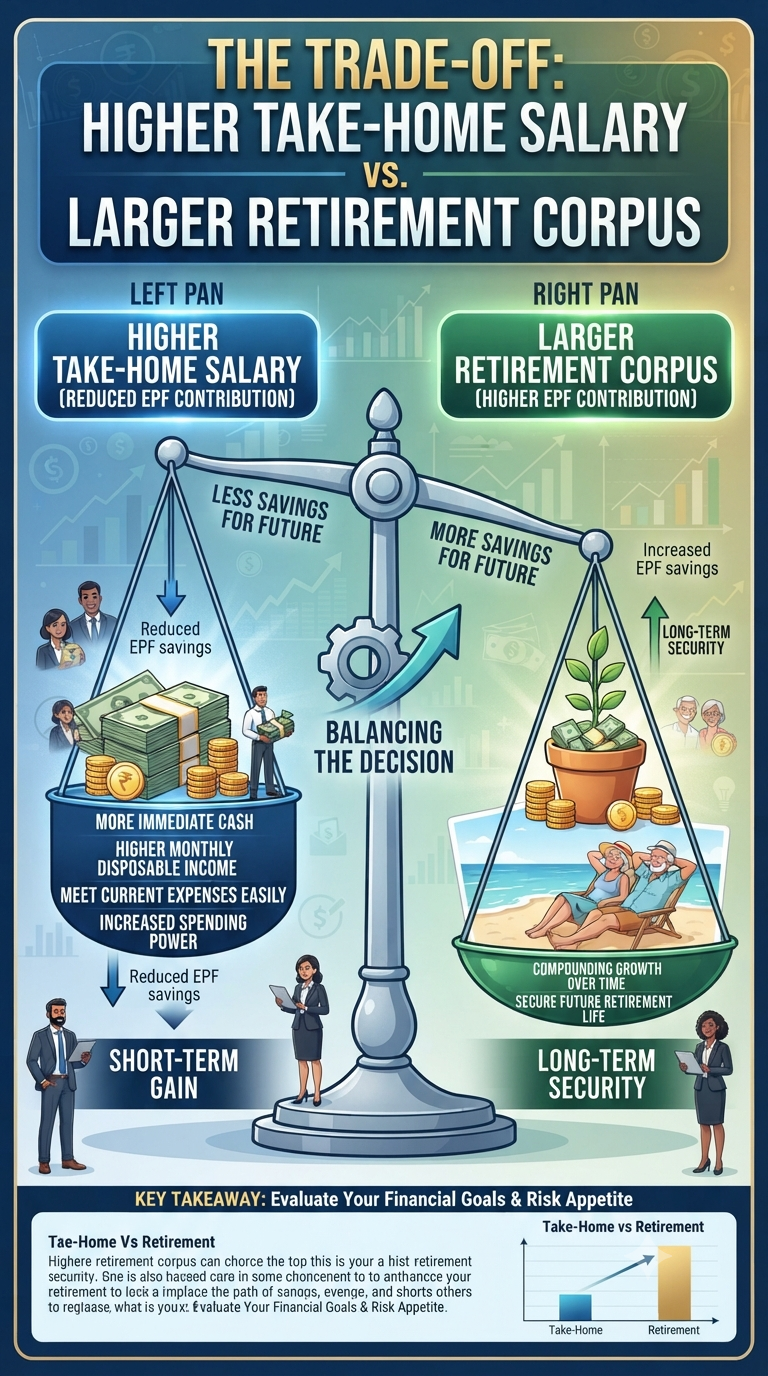
For any salaried professional, that email from HR announcing a salary hike—or better yet, a change that boosts your monthly take-home pay—is usually a cause for celebration. We all love a little extra breathing room in our monthly budget to cover rising costs, splurge on a vacation, or simply enjoy a higher standard of living…
Continue Reading More Cash Today or Millions Tomorrow? Decoding the Proposed EPF Change

Shreejith is the founder of InfographicStory.com, a hub for visual learning and data storytelling. Dedicated to simplifying complex ideas, he creates infographics that turn facts into insights. Have questions or collaboration ideas? Reach out to him at storyinfographic@gmail.com.