Entering your twenties is an exhilarating time. You’re likely landing your first job, gaining financial independence, and dreaming big. But let’s be honest—it’s also the decade where the phrase “adulting is hard” feels most real, especially when it comes to money.
In the whirlwind of social media trends, impulsive buys, and peer pressure, it’s easy to put off financial planning for “later.” But the secret to financial freedom isn’t a high salary in your forties; it’s the habits you build in your twenties.
Think of this decade as your financial foundation. Just as you wouldn’t build a skyscraper on sand, you can’t build long-term wealth without the right groundwork.
Whether you’re earning your first 20k or your first lakh per month, here are seven essential money habits to master before you blow out the candles on your 30th birthday.
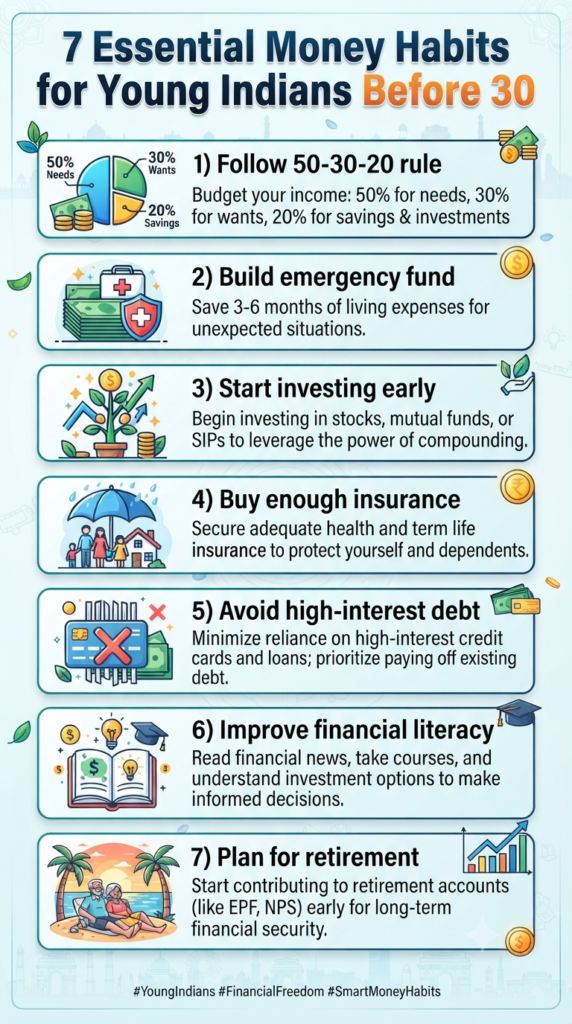
1. The Art of the Slice: Mastering the 50-30-20 Rule
Budgeting doesn’t mean eating instant noodles and never seeing your friends. It means telling your money where to go, rather than wondering where it went.
The 50-30-20 rule is the golden standard for a reason: it’s simple, flexible, and effective. It breaks your after-tax income into three buckets:
- 50% for Needs: Rent, groceries, utilities, transport, and loan EMIs. These are non-negotiable.
- 30% for Wants: Dining out, subscriptions, hobbies, and travel. This is your guilt-free spending money.
- 20% for Savings & Investments: This is your future wealth-building fund.
Start by tracking your expenses for one month to see where you currently stand. Adjust as needed, but aim to hit that 20% savings target consistently.
2. Your Financial Safety Net: Building an Emergency Fund
Life in your twenties is unpredictable. A job change, a medical emergency, or an unexpected vehicle repair can throw your finances into a tailspin if you’re not prepared.
Don’t rely on credit cards to bail you out. An emergency fund is non-negotiable.
Your goal: Save 3 to 6 months of living expenses. Start small—even if it’s just 5,000 rupees a month—and keep building it until it’s fully funded. Keep this money in a separate, easily accessible savings account (or a liquid mutual fund) and do not touch it unless disaster strikes.
3. Befriending Time: Why You Must Start Investing Early
This is the single most important financial decision you will make in your twenties. Thanks to the magic of compounding, starting early beats investing a larger amount later.
Consider this:
- Person A starts investing ₹10,000/month at age 25. By age 60, they’ve invested 42 Lakhs. At 12% p.a. returns, they retire with over 7 Crores.
- Person B waits until age 35 to start investing the same ₹10,000/month. By age 60, they’ve invested 30 Lakhs. At 12% p.a., they retire with about 2.3 Crores.
Even though Person B invested for 25 years, they end up with 4.7 Crores less than Person A simply because they waited a decade. The moral? Start investing today—in stocks, mutual funds, or SIPs.
4. Protection Over Panic: Buy Enough Insurance
One medical emergency can wipe out years of savings. In your twenties, you might feel invincible, but proper insurance isn’t a luxury; it’s a necessity.
Before 30, ensure you have two critical covers in place:
- Health Insurance (Mediclaim): A comprehensive base plan (at least 5-10 Lakhs) covers hospitalization expenses. Don’t just rely on your employer’s plan; if you switch jobs, your coverage might vanish.
- Term Life Insurance: Especially if you have dependents (parents, spouse, or children) or any loans. It provides a massive payout to your family in case of an untimely demise. It is shockingly affordable when you’re young.
5. The High-Interest Trap: Avoid Bad Debt
Not all debt is created equal. A home loan can be a “good debt” that builds an asset. Credit card debt and personal loans at 36% to 42% interest rates are financial poison.
In your twenties, resist the allure of the “Buy Now, Pay Later” culture. Carrying a credit card balance is the fastest way to destroy your wealth potential. If you have existing high-interest debt, prioritize paying it off aggressively using the avalanche or snowball method. Automate your payments and vow to live within your means.
6. Knowledge is Power: Improve Financial Literacy
Your financial journey is a marathon, not a sprint, and education is your best equipment. Don’t blindly follow tips from “finfluencers” or your friend who “knows a guy.”
Take ownership of your financial education. Read reputable financial news, understand the difference between Sensex and Nifty, learn about different asset classes (gold, real estate, equity, debt), and get comfortable with basics like tax planning and inflation. Understanding what you’re investing in is key to making confident decisions.
7. The Ultimate Goal: Plan for Retirement Now
Retirement seems like a lifetime away, right? But planning for it in your twenties is the greatest gift you can give your future self.
Because you have time on your side, small contributions can grow into a massive nest egg. Understand and utilize government schemes like the National Pension System (NPS) and your Employee Provident Fund (EPF) if you’re salaried. Think of retirement not as stopping work, but as reaching a point where work is optional because your money is working for you.
The Bottom Line
Becoming financially independent before 30 isn’t about living like a monk. It’s about finding the balance between enjoying your youth and securing your future. The habits you build now will dictate your financial reality for decades to come. Start with one habit, master it, and then move to the next. Your future powerhouse self will thank you.
A New Era for Your Savings: Understanding the EPF Scheme 2026
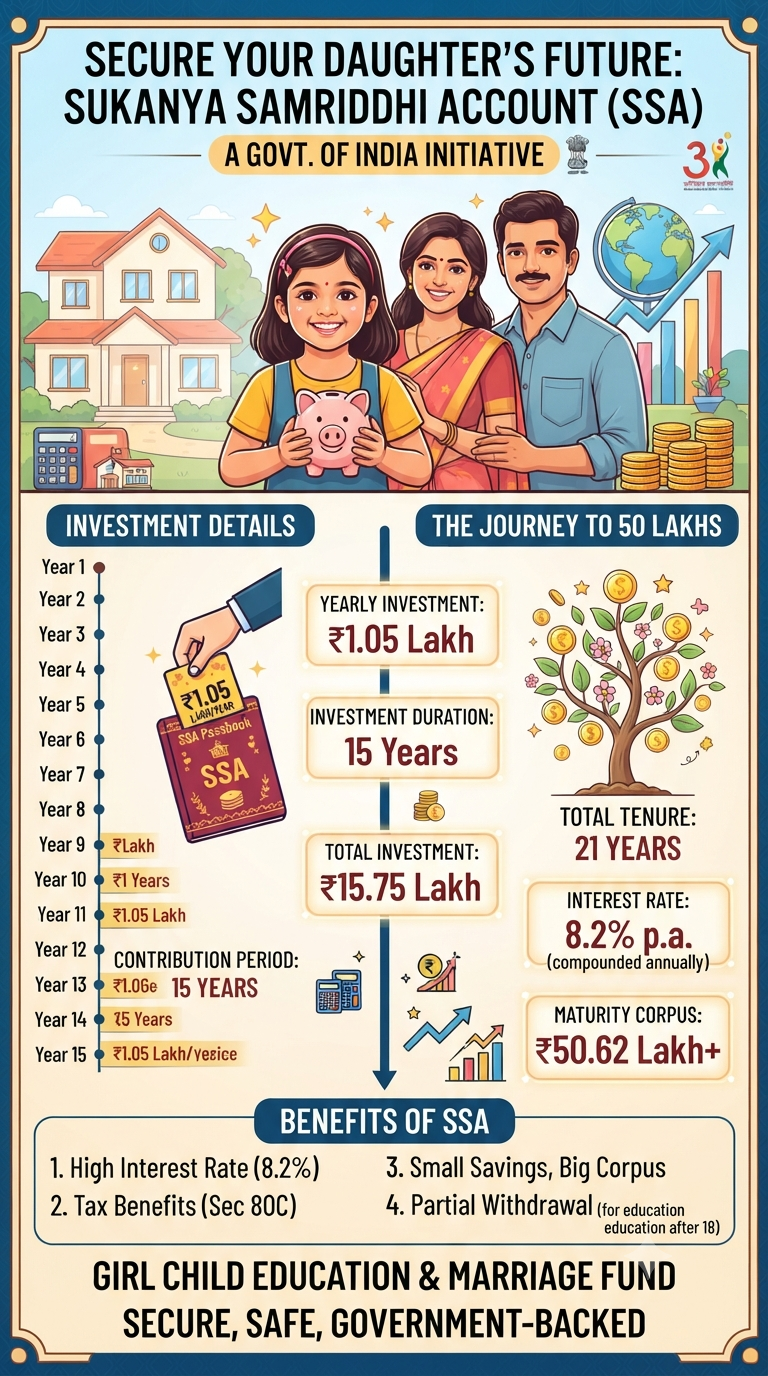
Planning for your child’s future is perhaps the most important financial responsibility a parent carries. Whether it is dreaming about her higher education in a top-tier university or ensuring her wedding is everything she wished for, the math can sometimes feel overwhelming. But what if there was a government-backed “secret weapon” designed specifically to help…
Continue Reading The Secret to Building a Rs 50 Lakh Corpus for Your Daughter’s Future
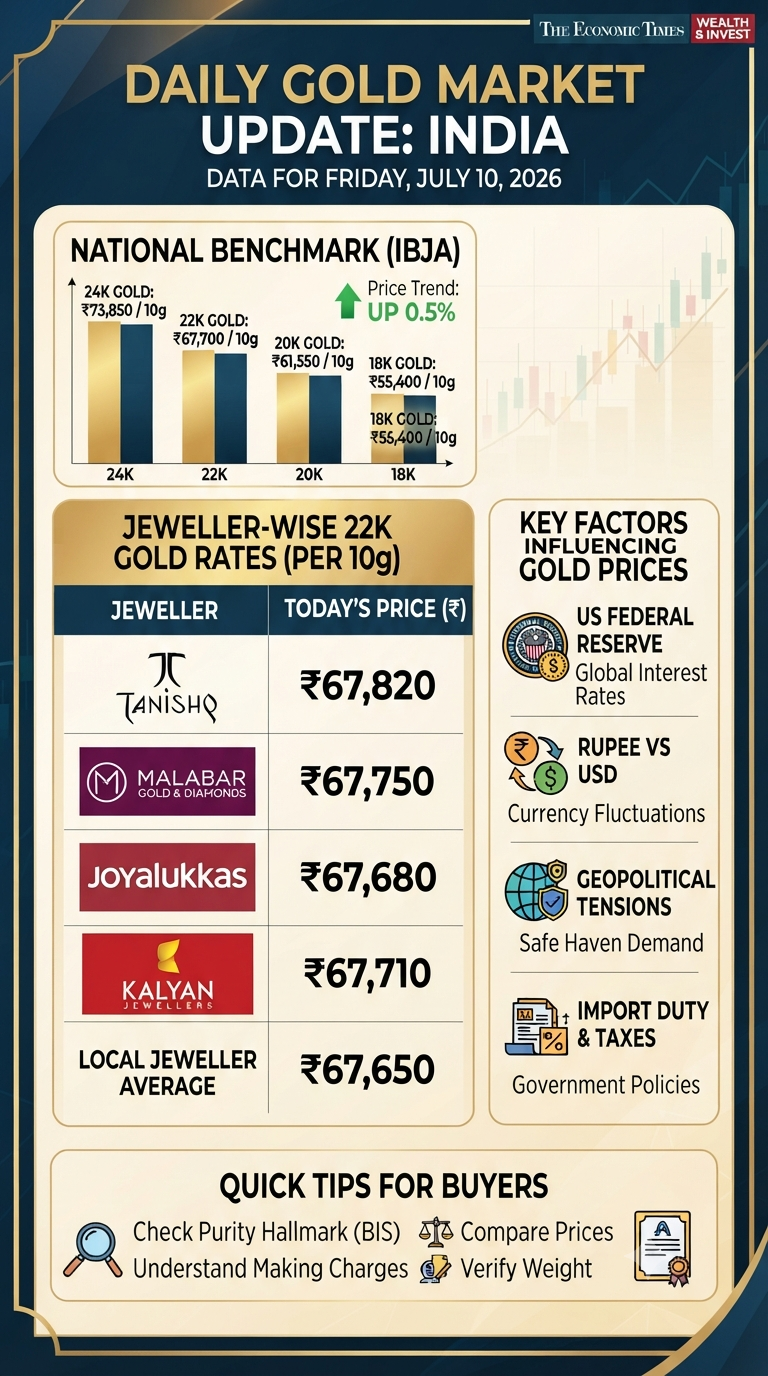
If you’ve been keeping an eye on the markets lately, you know that gold isn’t just a shiny accessory—it’s the heartbeat of Indian investment. Whether you are planning for a wedding, looking for a festive gift, or simply bolstering your portfolio, staying updated on daily price shifts is essential. As of today, Friday, July 10,…
Continue Reading Decoding Today’s Gold Rush: A Buyer’s Guide to Navigating the Market
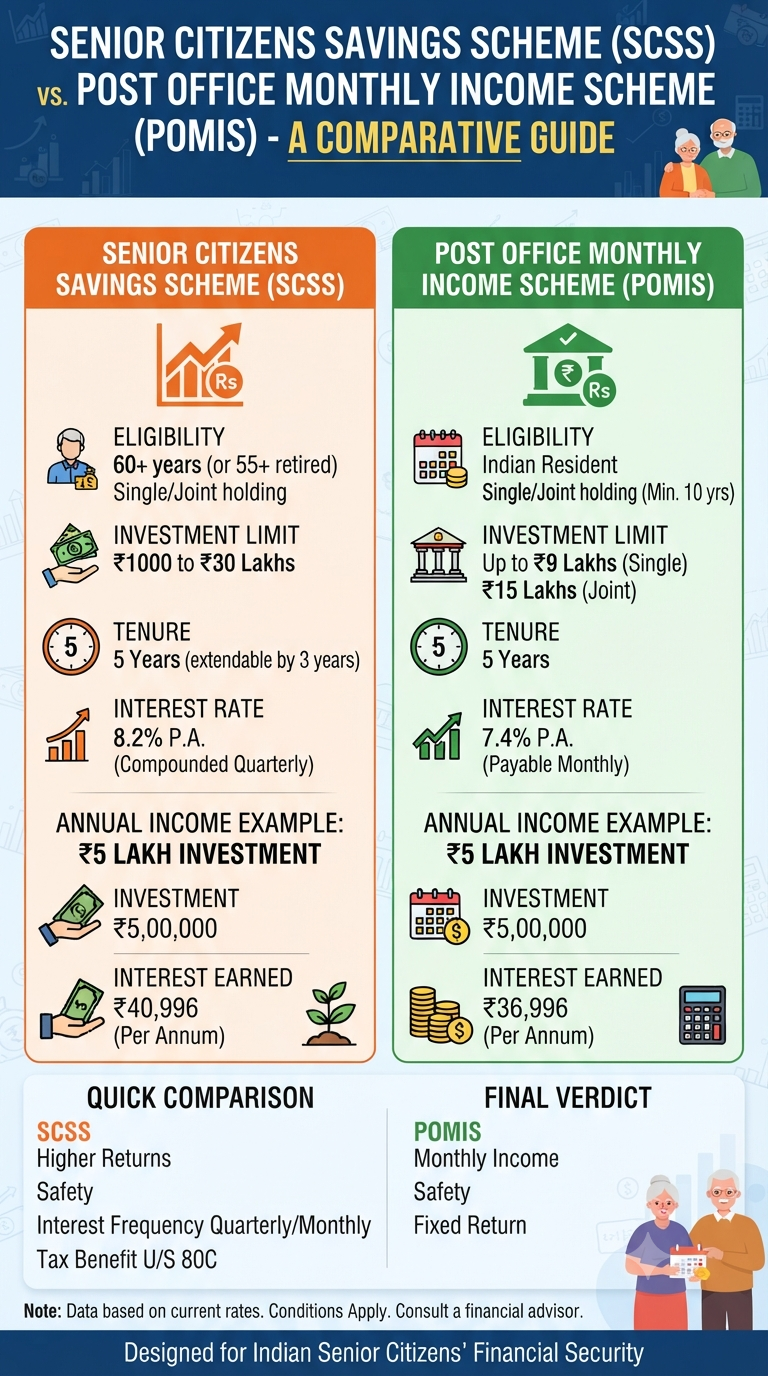
If you are looking for a safe, government-backed harbor for your hard-earned money, the Senior Citizens Savings Scheme (SCSS) and the Post Office Monthly Income Scheme (MIS) are likely at the top of your list. They offer peace of mind, stability, and the reliability of a sovereign guarantee. But when it comes to maximizing your…
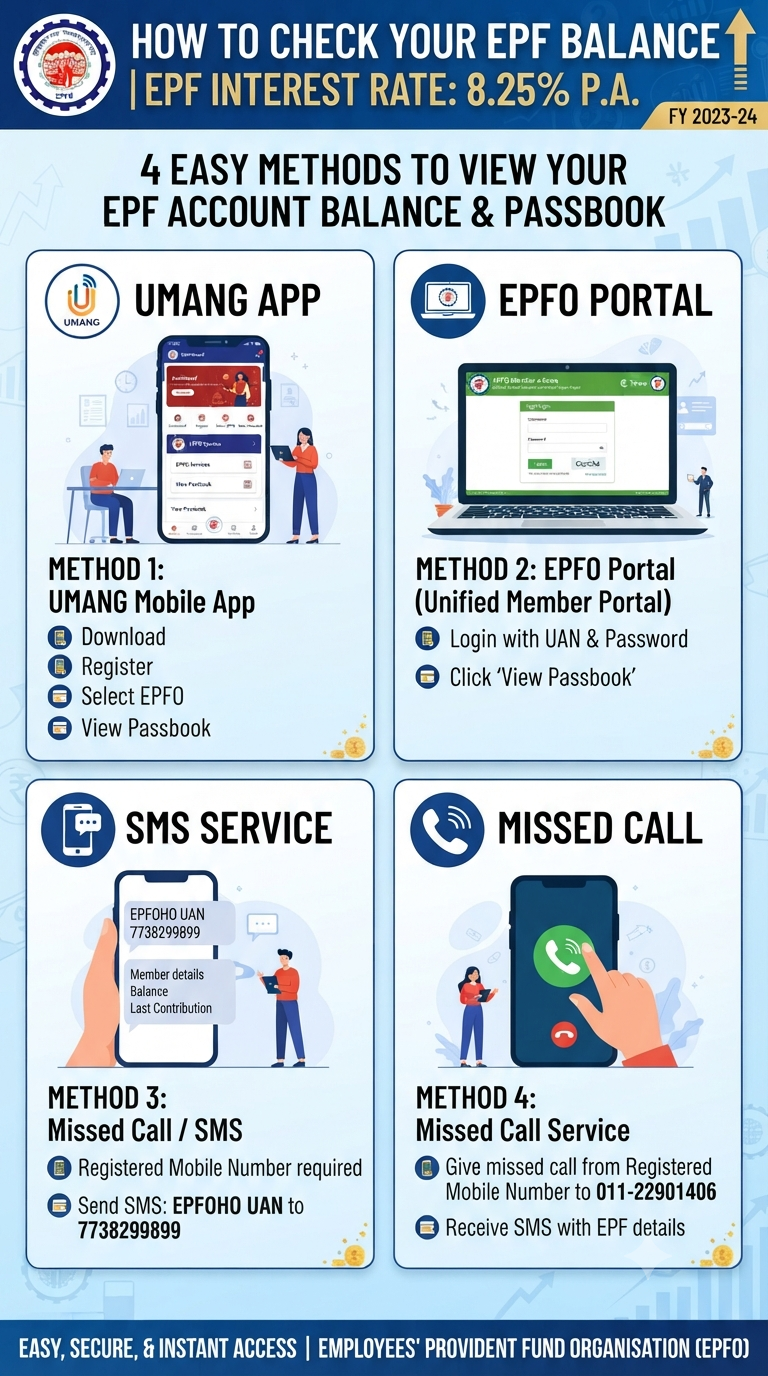
Let’s be honest. Most of us know EPF stands for Employees’ Provident Fund, and we know a chunk of our salary goes into it every month. But how many of us actually know exactly how much is in that corpus, or—more importantly—if that promised 8.25% interest has hit our account yet? If you’ve been meaning…
Continue Reading Checkmate Your PF Status: 4 Simple Ways to View Your EPF Balance Right Now
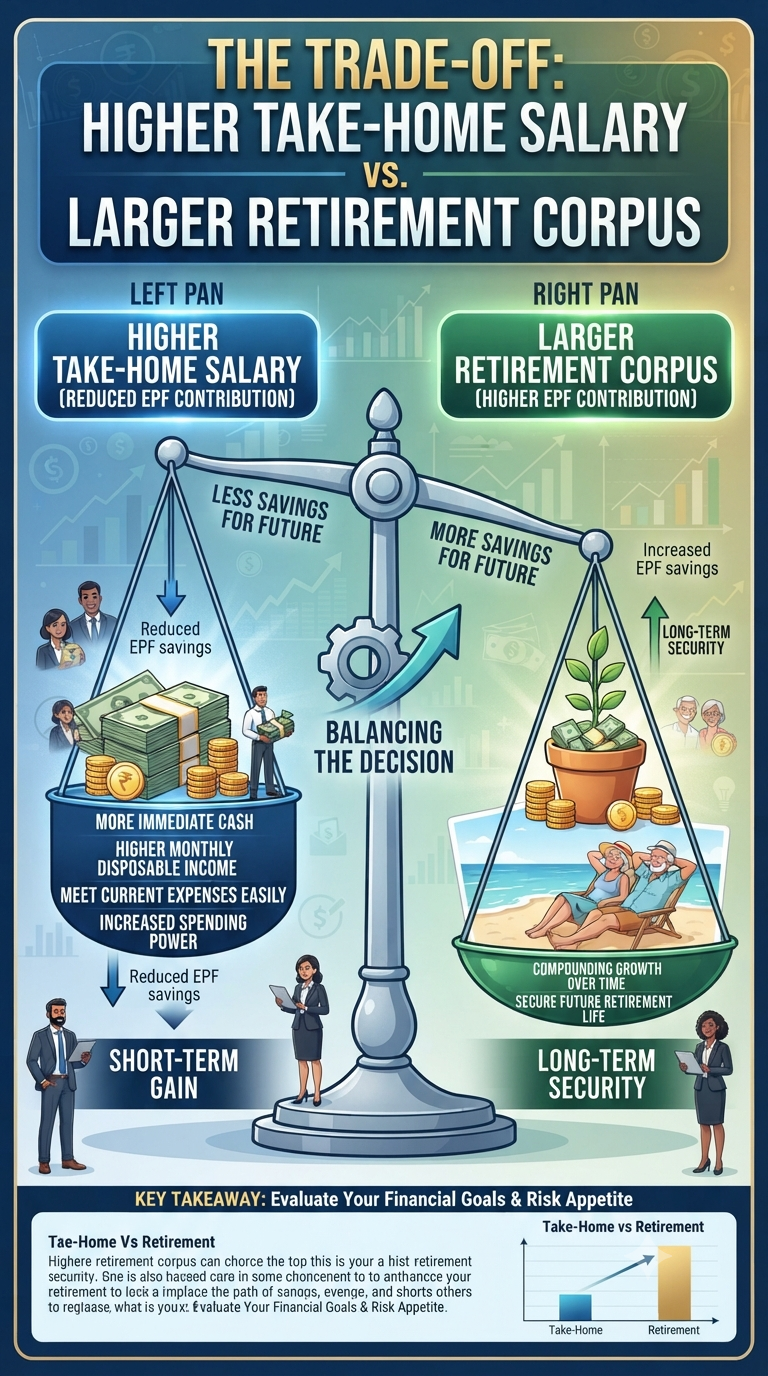
For any salaried professional, that email from HR announcing a salary hike—or better yet, a change that boosts your monthly take-home pay—is usually a cause for celebration. We all love a little extra breathing room in our monthly budget to cover rising costs, splurge on a vacation, or simply enjoy a higher standard of living…
Continue Reading More Cash Today or Millions Tomorrow? Decoding the Proposed EPF Change
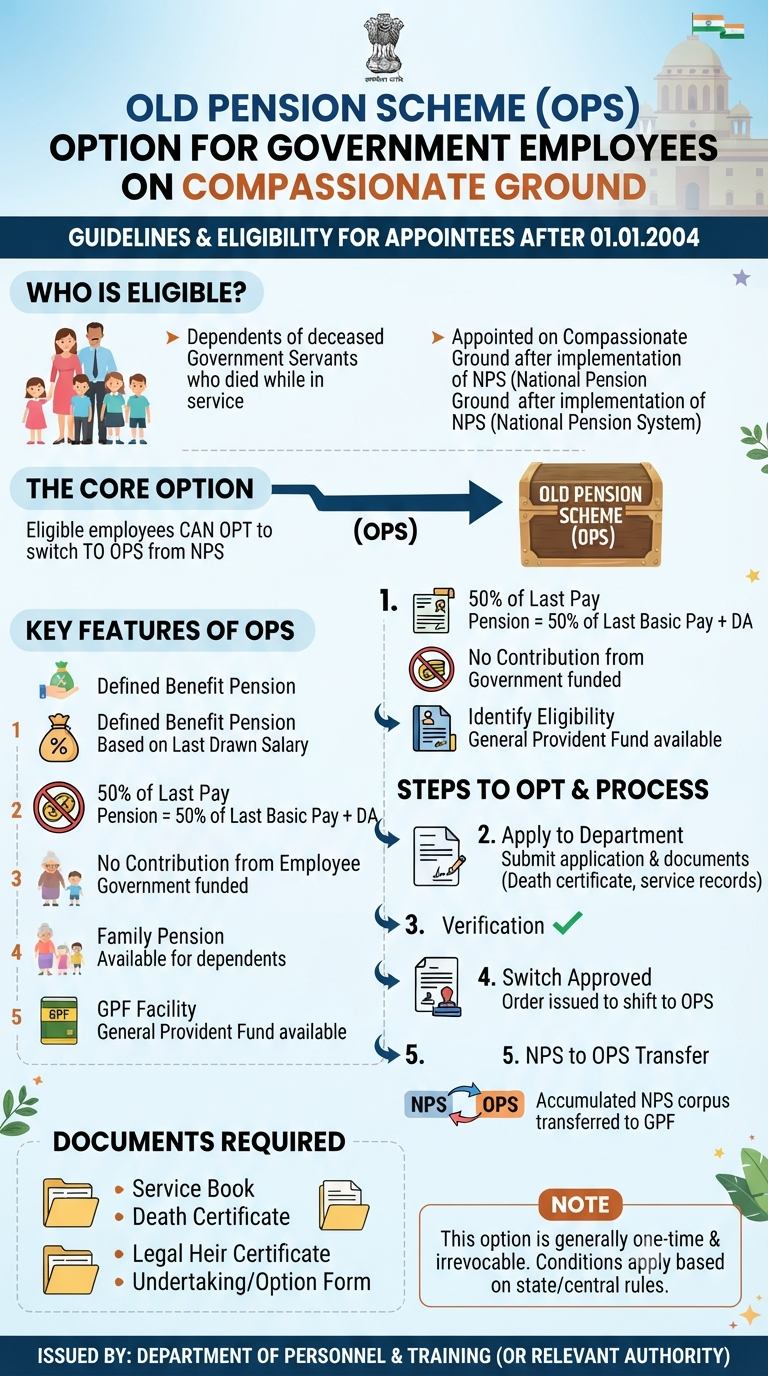
For thousands of government employees who entered service through the compassion of a family-related appointment, the transition into their careers was often marked by a bureaucratic “what-if.” Many had applied for their positions before the cutoff of December 2003, only to join service after the National Pension System (NPS) had already taken hold in January…

Shreejith is the founder of InfographicStory.com, a hub for visual learning and data storytelling. Dedicated to simplifying complex ideas, he creates infographics that turn facts into insights. Have questions or collaboration ideas? Reach out to him at storyinfographic@gmail.com.