If you are one of the millions of employees contributing to the Employees’ Provident Fund (EPF), you’ve likely heard the buzz surrounding the Employees’ Pension Scheme (EPS) 2026. As we navigate a changing landscape of social security in India, the government has introduced a new set of guidelines aimed at making the system more efficient, transparent, and long-term oriented.
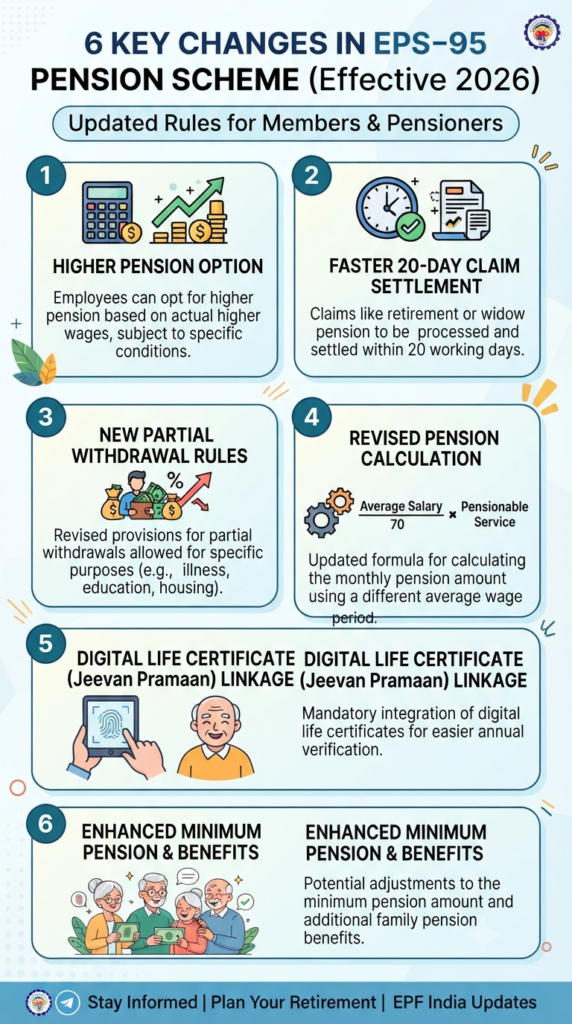
Whether you are nearing retirement or just starting your career, understanding how these updates affect your future nest egg is crucial. Based on the latest updates, here is a breakdown of the 6 key changes under the new EPS 2026 framework.
1. New Withdrawal Rules: The 36-Month Waiting Period
One of the most significant shifts in the new scheme is the stricter approach to withdrawal benefits. Unlike the previous EPS-95 rules, where members could claim benefits relatively quickly upon exiting employment, the 2026 scheme introduces a 36-month waiting period. You must wait three years from the last contribution due date or until you reach the age of superannuation—whichever comes first—to access these benefits. This change is clearly designed to discourage short-term withdrawals and encourage members to keep their pension corpus intact for the long run.
2. Seamless Continuity for Existing Members
Are you worried about having to re-register or fill out endless forms? Don’t be. The transition to the EPS 2026 scheme is designed to be seamless. If you were already covered under the earlier EPS-95 scheme, you do not need to do anything. Your membership continues automatically, ensuring that your pension benefits remain uninterrupted during the transition.
3. Statutory Recognition of “Higher Pension”
For years, the “higher pension” option has been a point of confusion and legal debate. The EPS 2026 scheme brings much-needed clarity by expressly incorporating the higher pension option directly into the scheme’s text (Para 4(2)). This provides statutory backing, giving eligible members greater confidence and legal assurance when they choose to opt for a higher pension based on their actual salary.
4. 20-Day Claim Settlement: Speeding Up Efficiency
Red tape has long been a frustration for retirees. To combat this, the new scheme mandates a strict 20-day timeline for the settlement of pension claims. This is a game-changer for administrative efficiency. Furthermore, the rules emphasize that delays could lead to accountability measures and potential interest implications, putting the onus on the EPFO to process your hard-earned money faster.
5. Aligned Damages Framework
Consistency is key in social security. The EPS 2026 has aligned its damages framework with the broader EPF Scheme 2026. This creates a unified approach across the social security ecosystem, ensuring that rules regarding defaults or delays in contributions are handled with greater uniformity across the board.
6. Consistent Pensionable Salary Calculation
While many things have changed, the core math remains familiar. The EPS 2026 retains the established mechanism for calculating your pensionable salary. It continues to be based on the average monthly wages drawn during the last 60 months of your eligible service immediately preceding your exit from the scheme. This provides stability for those planning their retirement income, as the core calculation method remains unchanged.
The Bottom Line
The EPS 2026 is clearly focused on “pension retention”—encouraging members to view their EPS contributions as a long-term retirement vehicle rather than a short-term savings account. By tightening withdrawal rules and speeding up claim settlements, the government is aiming for a more robust, digitized, and efficient system.
Pro-Tip: As with all financial planning, keep an eye on your UAN portal for any notifications or updates. Being informed is the first step toward a worry-free retirement!
Disclaimer: This article is for informational purposes only. Please refer to the official EPFO website or consult with a financial advisor for specific advice regarding your pension account.
The Secret to Building a Rs 50 Lakh Corpus for Your Daughter’s Future
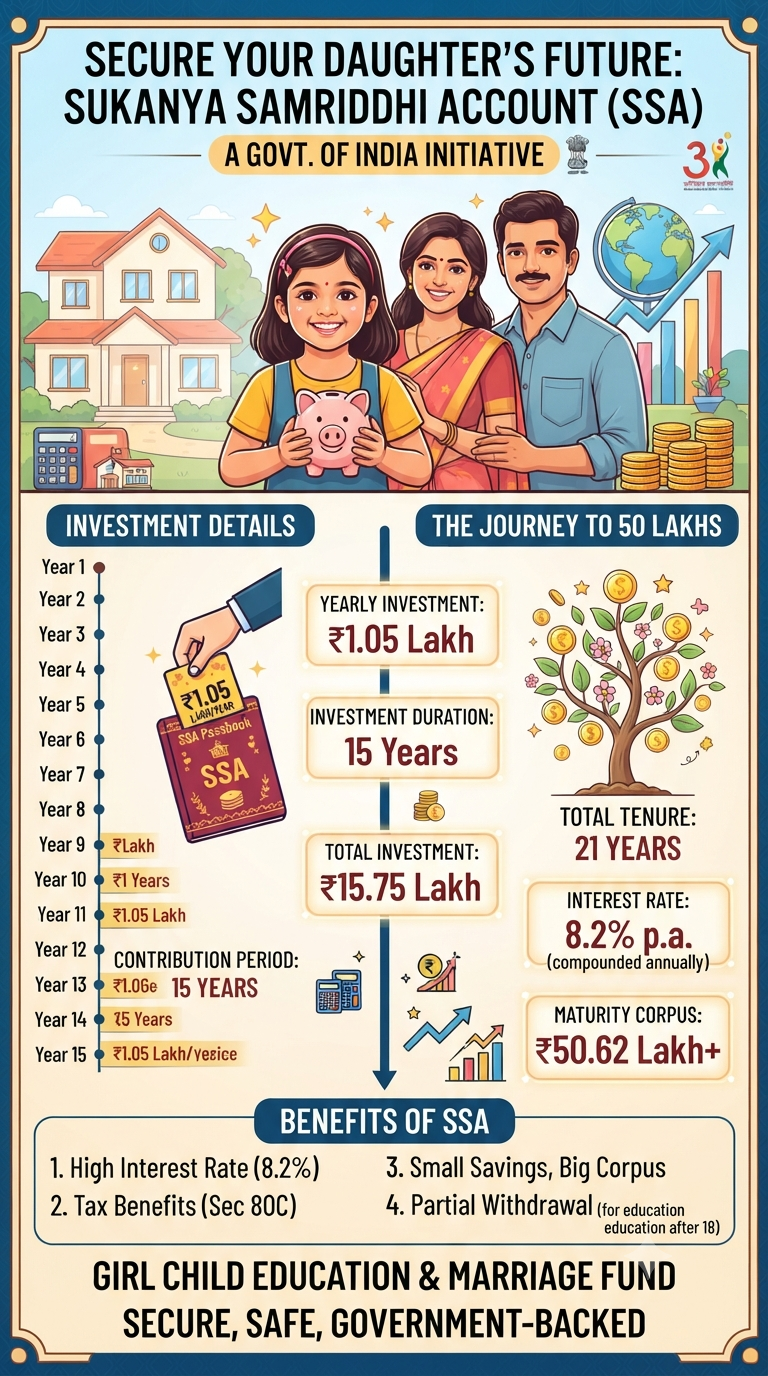
Planning for your child’s future is perhaps the most important financial responsibility a parent carries. Whether it is dreaming about her higher education in a top-tier university or ensuring her wedding is everything she wished for, the math can sometimes feel overwhelming. But what if there was a government-backed “secret weapon” designed specifically to help…
Continue Reading The Secret to Building a Rs 50 Lakh Corpus for Your Daughter’s Future

If you’ve been keeping an eye on the markets lately, you know that gold isn’t just a shiny accessory—it’s the heartbeat of Indian investment. Whether you are planning for a wedding, looking for a festive gift, or simply bolstering your portfolio, staying updated on daily price shifts is essential. As of today, Friday, July 10,…
Continue Reading Decoding Today’s Gold Rush: A Buyer’s Guide to Navigating the Market
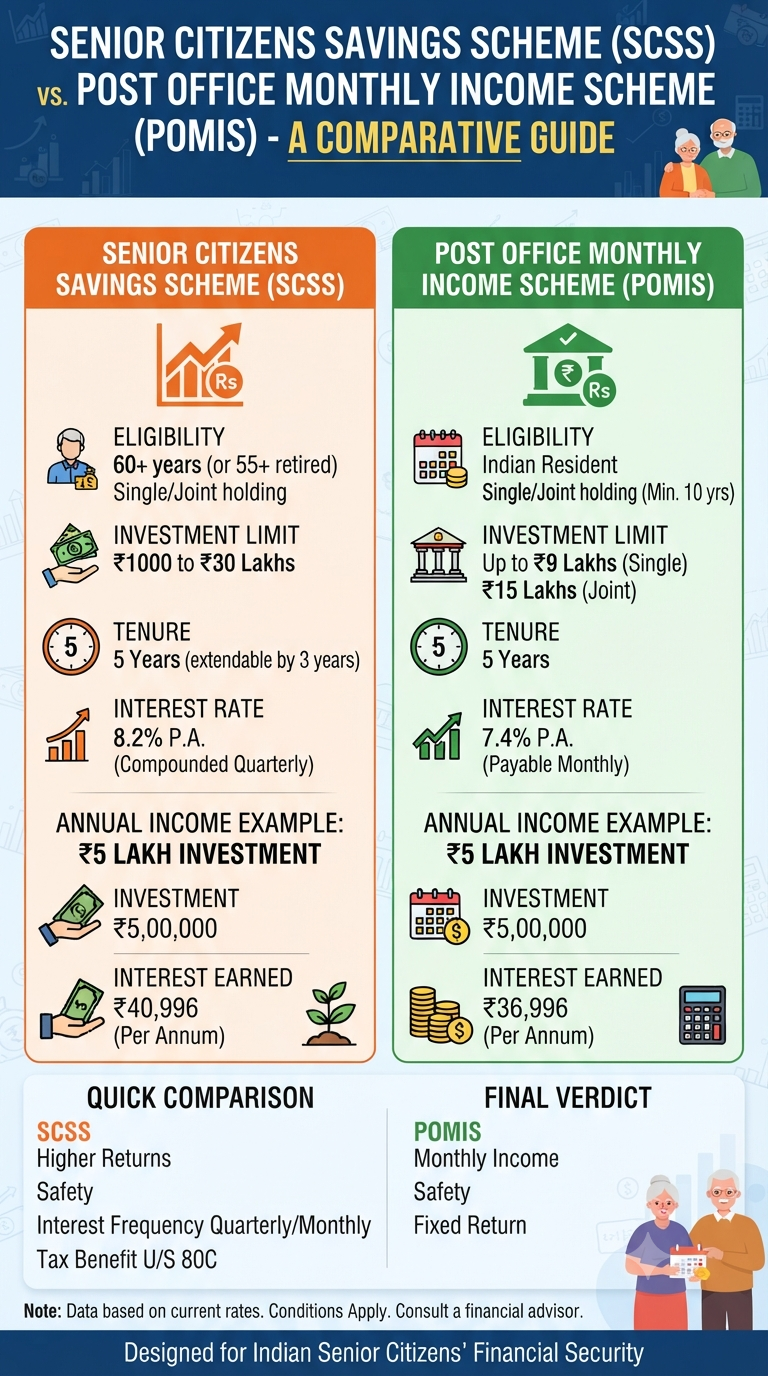
If you are looking for a safe, government-backed harbor for your hard-earned money, the Senior Citizens Savings Scheme (SCSS) and the Post Office Monthly Income Scheme (MIS) are likely at the top of your list. They offer peace of mind, stability, and the reliability of a sovereign guarantee. But when it comes to maximizing your…
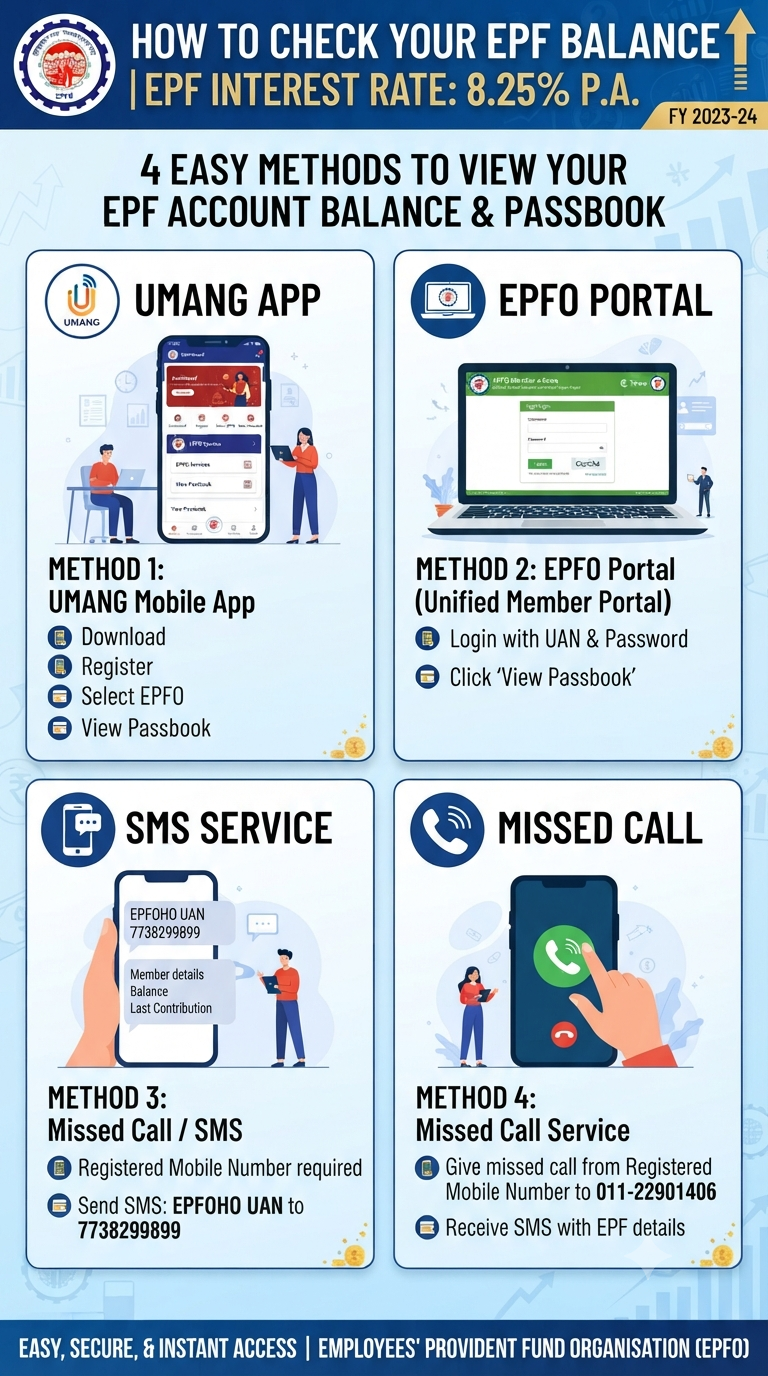
Let’s be honest. Most of us know EPF stands for Employees’ Provident Fund, and we know a chunk of our salary goes into it every month. But how many of us actually know exactly how much is in that corpus, or—more importantly—if that promised 8.25% interest has hit our account yet? If you’ve been meaning…
Continue Reading Checkmate Your PF Status: 4 Simple Ways to View Your EPF Balance Right Now
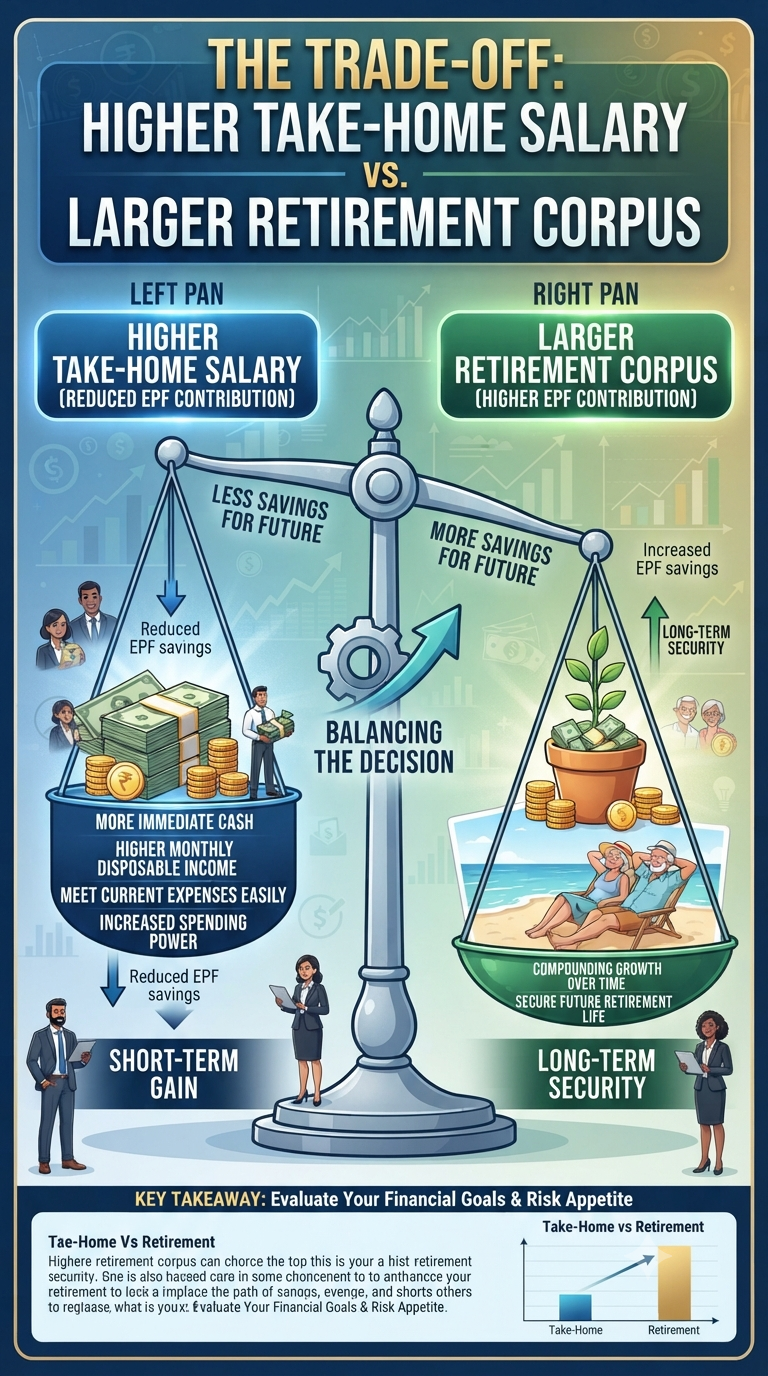
For any salaried professional, that email from HR announcing a salary hike—or better yet, a change that boosts your monthly take-home pay—is usually a cause for celebration. We all love a little extra breathing room in our monthly budget to cover rising costs, splurge on a vacation, or simply enjoy a higher standard of living…
Continue Reading More Cash Today or Millions Tomorrow? Decoding the Proposed EPF Change
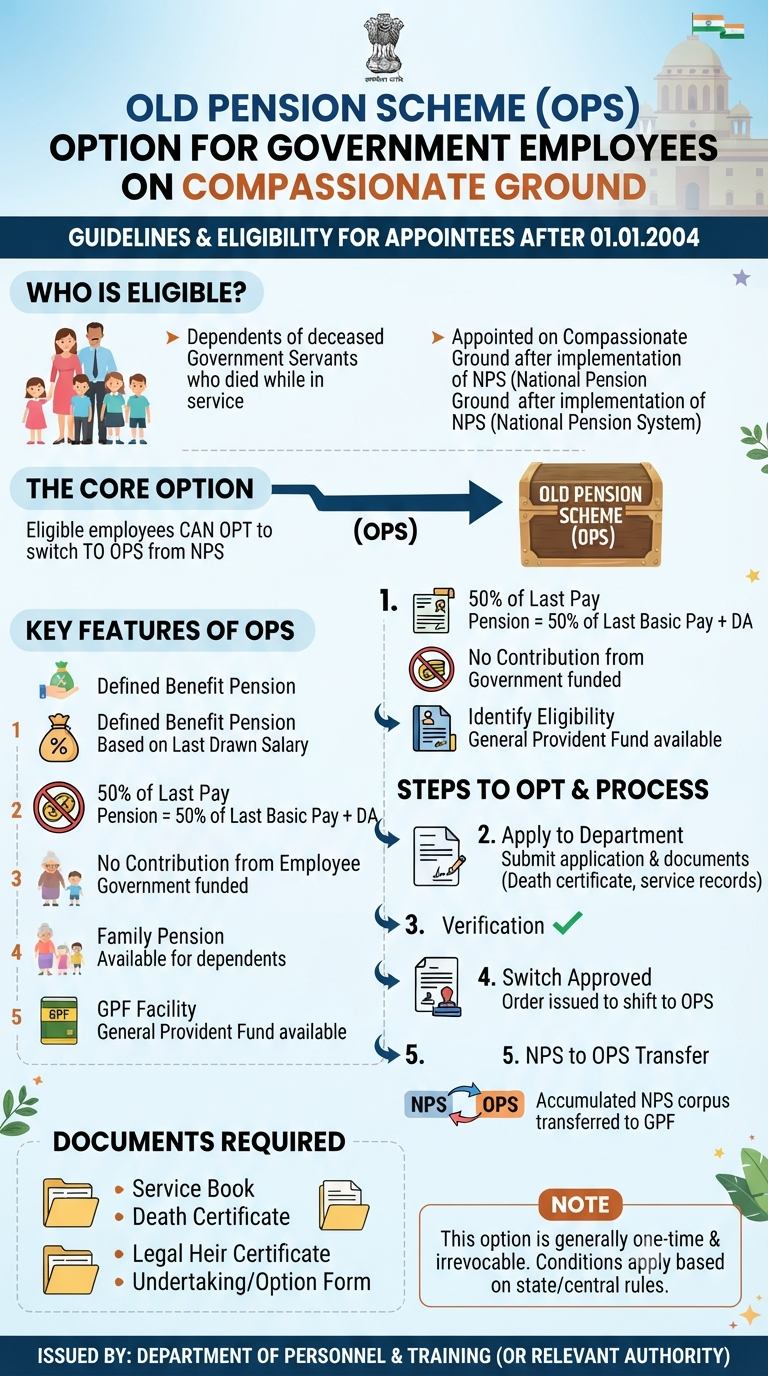
For thousands of government employees who entered service through the compassion of a family-related appointment, the transition into their careers was often marked by a bureaucratic “what-if.” Many had applied for their positions before the cutoff of December 2003, only to join service after the National Pension System (NPS) had already taken hold in January…

Shreejith is the founder of InfographicStory.com, a hub for visual learning and data storytelling. Dedicated to simplifying complex ideas, he creates infographics that turn facts into insights. Have questions or collaboration ideas? Reach out to him at storyinfographic@gmail.com.