As the conversation around the 8th Pay Commission gains momentum, central government employees—particularly those in Pay Levels 2 through 4—are understandably eager to know what the future holds for their salary structures. While the official report is still in the works, the speculation surrounding the “fitment factor” has become the talk of the town.
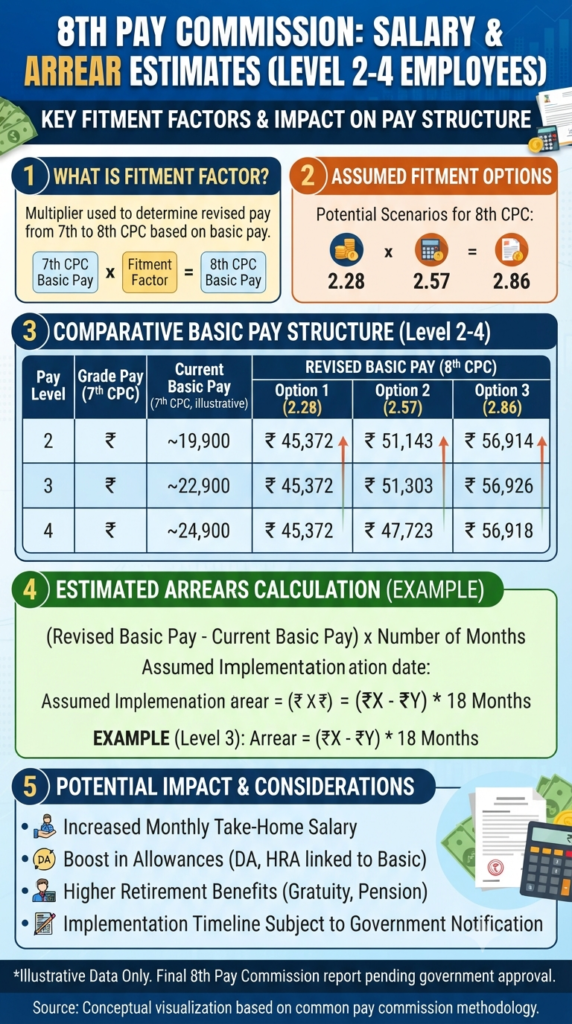
Understanding the “Fitment Factor”
At its core, the fitment factor is the multiplier used to determine your revised basic pay based on your current salary. Think of it as the engine driving the potential salary hike. While various figures are being discussed, experts suggest keeping expectations grounded; for instance, some industry voices have pointed toward a 2.1 multiplier as a realistic benchmark, which could shift the minimum basic pay from the current Rs 18,000 to Rs 37,800.
Who is in Focus?
This discussion is particularly vital for the backbone of the central government workforce—those in Pay Levels 2 to 4. This group encompasses essential roles such as:
- Multi-Tasking Staff (MTS)
- Lower Division Clerks (LDCs)
- Upper Division Clerks (UDCs)
- Senior Technicians and Stenographers (Grade C)
Crunching the Numbers: Scenarios & Arrears
The potential impact of the 8th Pay Commission is often calculated using different fitment factor scenarios—such as 2.28, 2.57, and 2.86. These multipliers naturally lead to different estimates for revised basic pay.
Furthermore, employees are naturally curious about potential arrears. While these remain illustrative, calculations often factor in a delay in implementation. For example, if we assume a 20-month gap between the expected effective date and actual implementation, the resulting arrears would fluctuate significantly based on the finally approved fitment factor.
Looking Ahead
When can you expect clarity? The government has tasked the 8th Pay Commission with submitting its report within 18 months of its November 2025 notification. While some experts are optimistic about a revised pay structure rolling out between March and May 2027, it’s important to remember that these timelines are subject to change, and the Commission may even request extensions.
The Bottom Line: While the potential for increased monthly take-home pay, boosted allowances (like DA and HRA), and higher retirement benefits is exciting, it is crucial to treat current calculators and estimates as purely illustrative. The true picture will only emerge once the official report is submitted and formally approved by the government.
Disclaimer: This information is for educational purposes and based on current market speculation. All figures are illustrative; final implementation details depend solely on the government’s official notification.
Say Goodbye to the Hassle: EPFO Automates PF Transfers for Aadhaar-Linked Accounts!
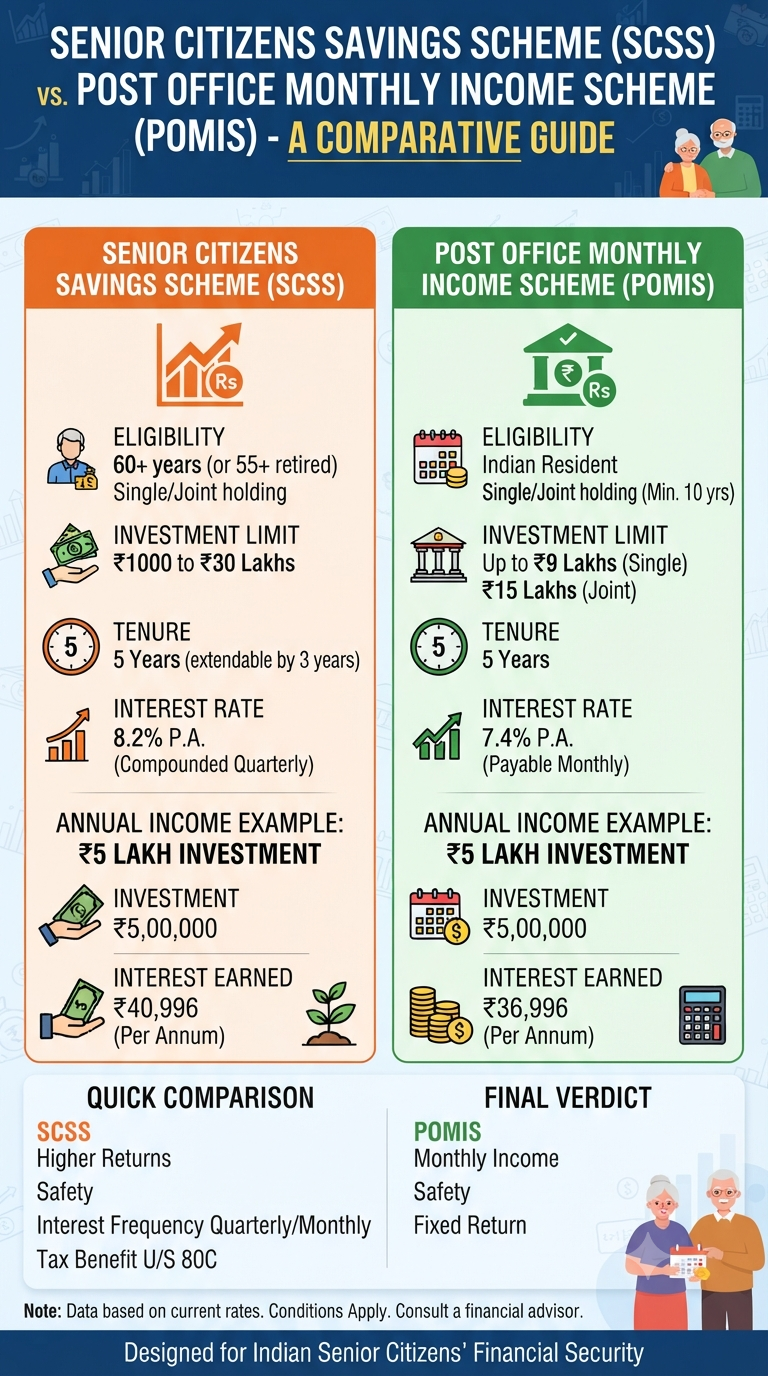
If you are looking for a safe, government-backed harbor for your hard-earned money, the Senior Citizens Savings Scheme (SCSS) and the Post Office Monthly Income Scheme (MIS) are likely at the top of your list. They offer peace of mind, stability, and the reliability of a sovereign guarantee. But when it comes to maximizing your…
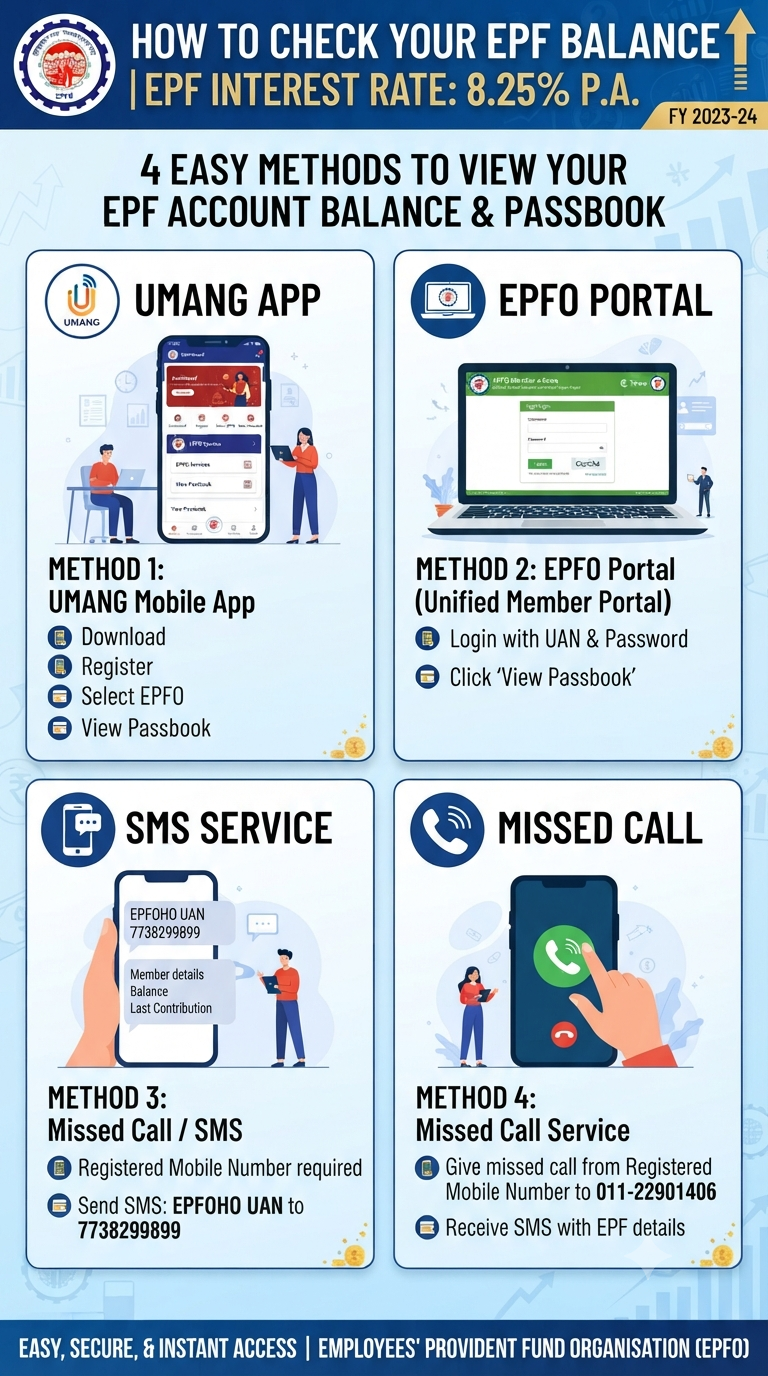
Let’s be honest. Most of us know EPF stands for Employees’ Provident Fund, and we know a chunk of our salary goes into it every month. But how many of us actually know exactly how much is in that corpus, or—more importantly—if that promised 8.25% interest has hit our account yet? If you’ve been meaning…
Continue Reading Checkmate Your PF Status: 4 Simple Ways to View Your EPF Balance Right Now
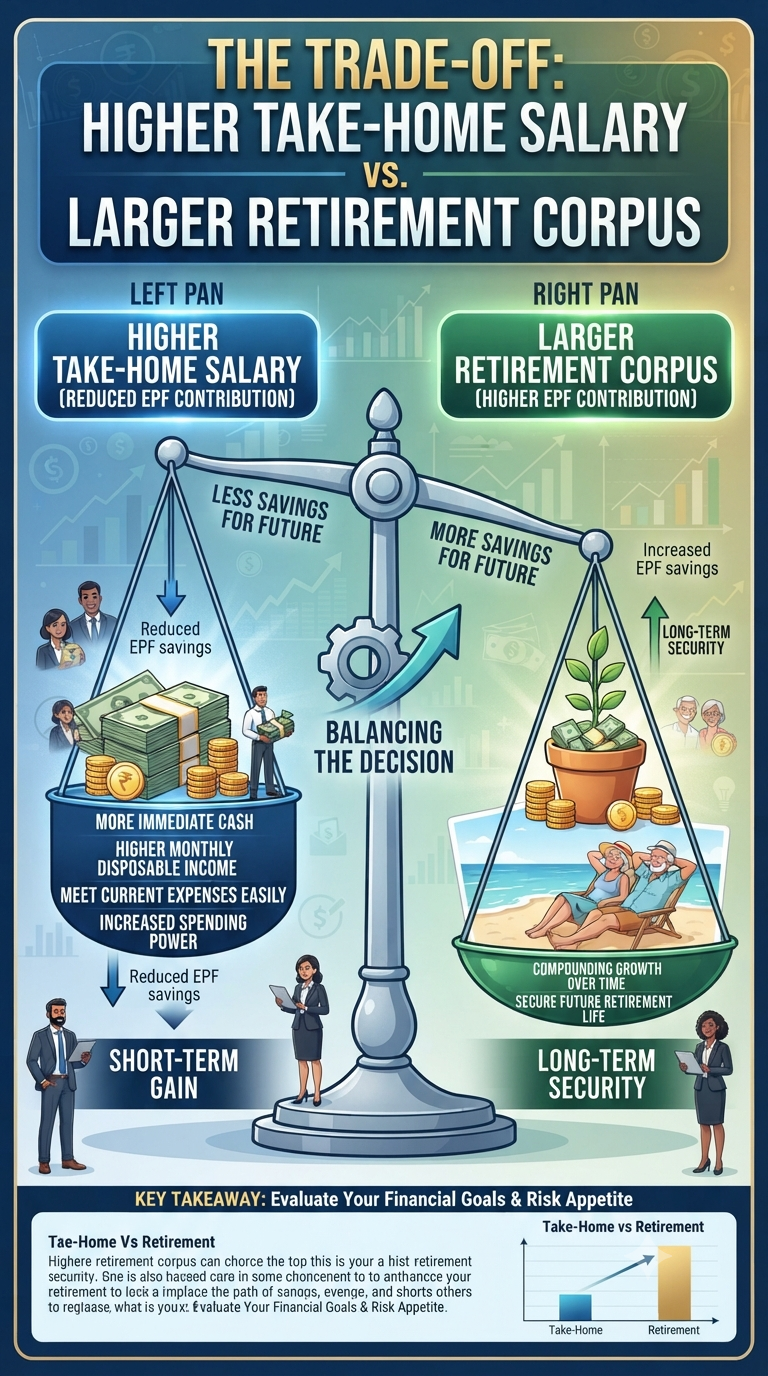
For any salaried professional, that email from HR announcing a salary hike—or better yet, a change that boosts your monthly take-home pay—is usually a cause for celebration. We all love a little extra breathing room in our monthly budget to cover rising costs, splurge on a vacation, or simply enjoy a higher standard of living…
Continue Reading More Cash Today or Millions Tomorrow? Decoding the Proposed EPF Change
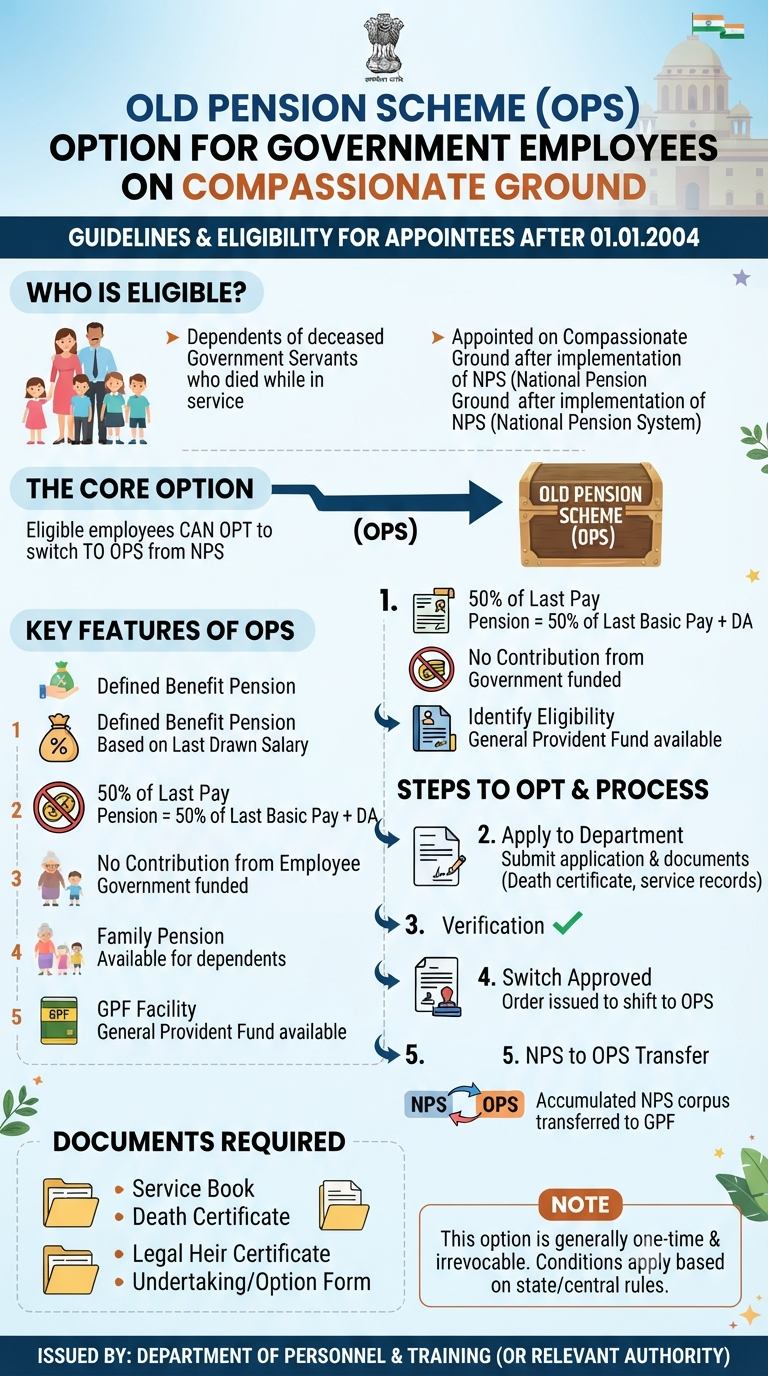
For thousands of government employees who entered service through the compassion of a family-related appointment, the transition into their careers was often marked by a bureaucratic “what-if.” Many had applied for their positions before the cutoff of December 2003, only to join service after the National Pension System (NPS) had already taken hold in January…
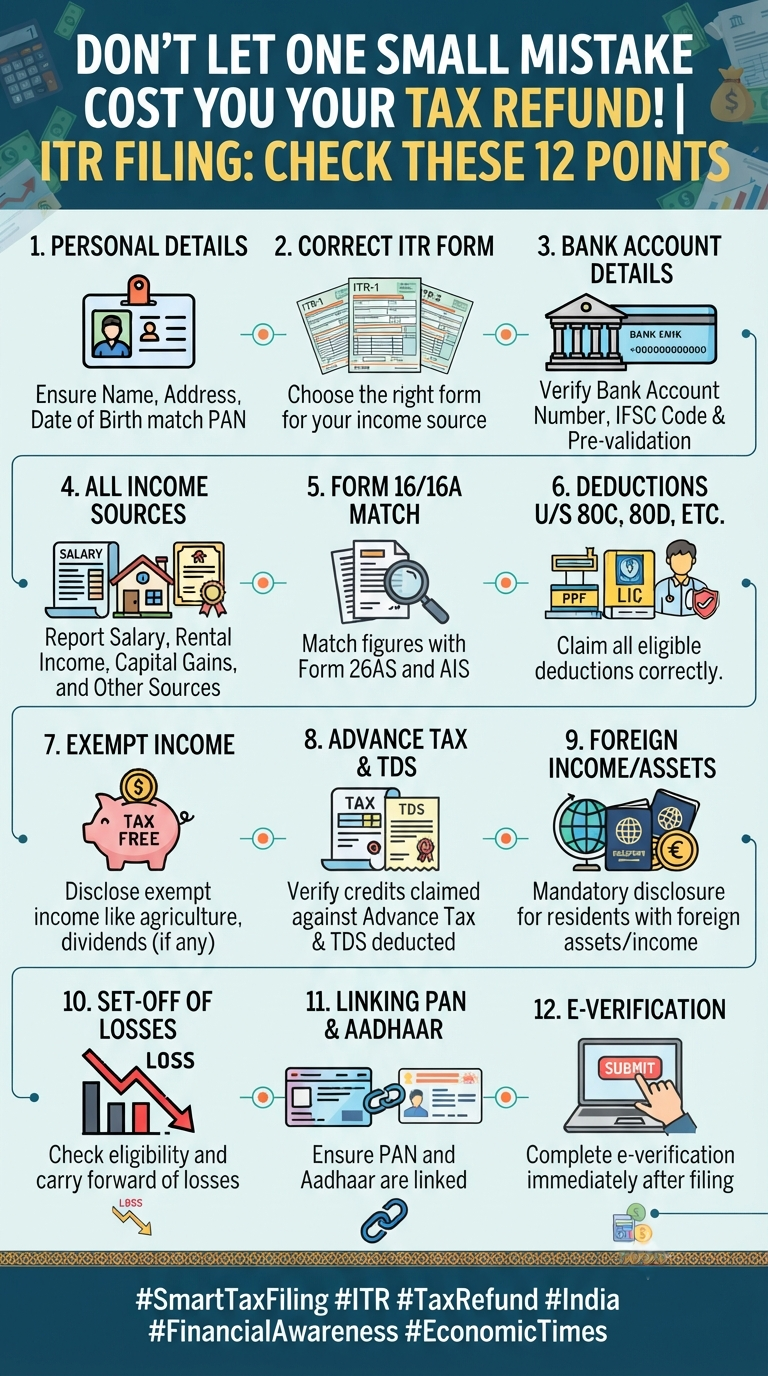
Filing your Income Tax Return (ITR) can often feel like a chore—a necessary evil that we rush through just to get it off our to-do list. But here is the reality: a single typo or a missed detail can be the difference between getting a swift tax refund and getting stuck in a bureaucratic nightmare.…
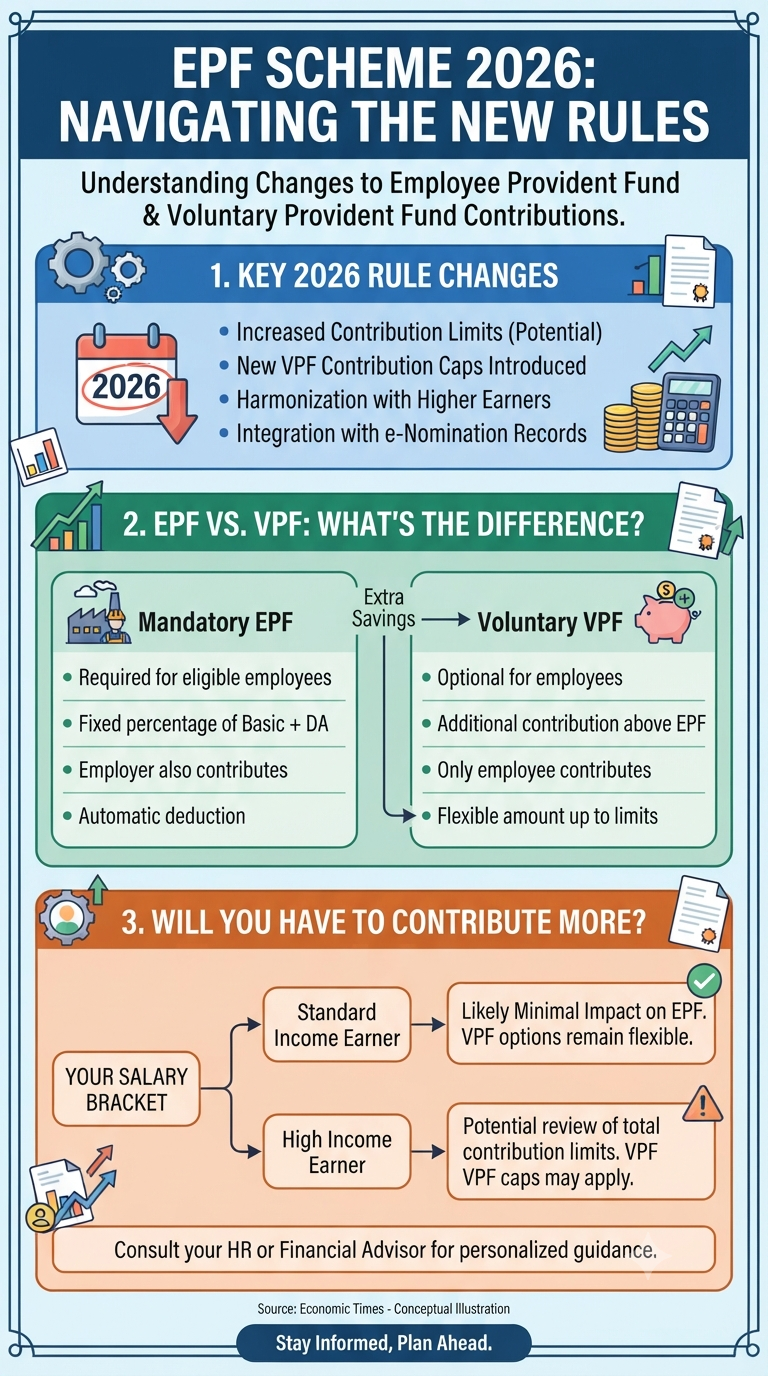
If you’ve been scrolling through financial news lately, you’ve probably noticed the buzz around the “EPF Scheme 2026” updates. It’s the kind of topic that sounds dry until you realize it directly affects how much of your hard-earned money stays in your pocket today versus how much gets tucked away for your future. With the…
Continue Reading EPF Scheme 2026: What the New Rules Actually Mean for Your Paycheck

Shreejith is the founder of InfographicStory.com, a hub for visual learning and data storytelling. Dedicated to simplifying complex ideas, he creates infographics that turn facts into insights. Have questions or collaboration ideas? Reach out to him at storyinfographic@gmail.com.