Are you one of those people who cringes at the thought of switching jobs simply because of the paperwork nightmare that follows? We’ve all been there—the endless forms, the back-and-forth between the old HR and the new, and the agonizing wait for your hard-earned PF (Provident Fund) balance to migrate to your current account.
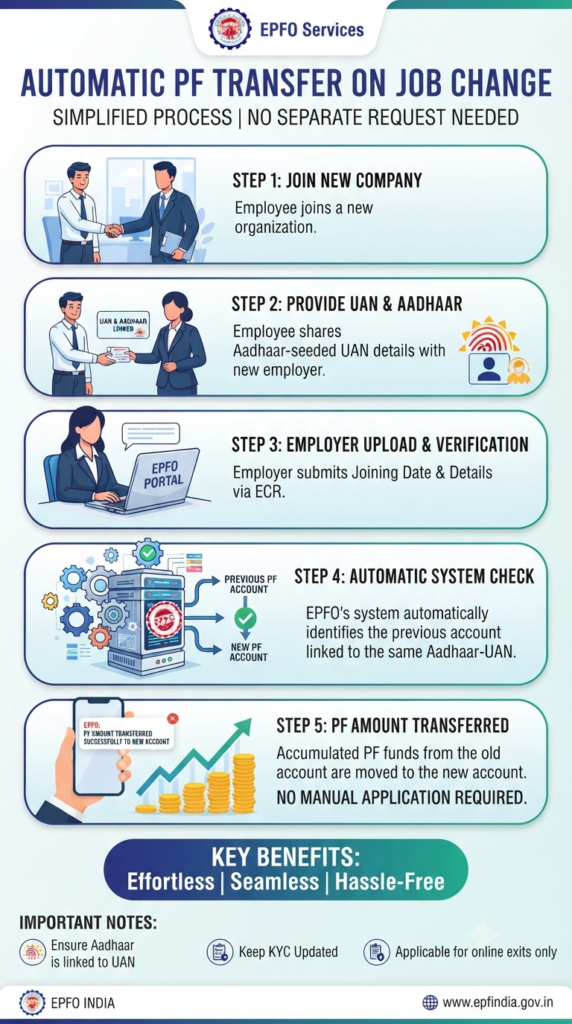
Well, it’s time to breathe a massive sigh of relief. The Employees’ Provident Fund Organisation (EPFO) has officially rolled out a game-changing update that is set to make your professional life significantly easier: Automatic PF Transfers.
What’s New?
Gone are the days of manually filing “Form 13” or waiting for digital approvals to move your funds from a previous employer to your current one. Under the new system, as long as your Universal Account Number (UAN) is linked to your [Aadhaar Redacted], the process happens in the background without you lifting a finger.
Why This is a Big Win for You
If you’ve switched jobs a few times, you might have multiple PF accounts scattered across different employment periods. This not only makes tracking your savings difficult, but it can also complicate matters when you need to make withdrawals or apply for advances.
By automating this, the EPFO is ensuring:
- A Continuous Service Record: Your total service history is consolidated seamlessly, which is vital for long-term calculations.
- Zero Manual Intervention: No more tracking down former employers for digital signatures or approvals. The system detects your move and takes care of the rest.
- Hassle-Free Management: Your PF corpus stays in one place, making it much easier to monitor your growth and plan your financial future.
What You Need to Do
While the process is now automatic, it relies entirely on your data being clean and connected. Here is your quick checklist to ensure you’re eligible for this “set it and forget it” feature:
- Check Your Link: Ensure your UAN is properly linked with your [Aadhaar Redacted]. If you haven’t done this yet, head over to the unified member portal immediately.
- Keep KYC Updated: Ensure your current mobile number and KYC details are up to date on the EPFO portal so you can receive notifications regarding your account.
- Verify Your History: Even with automation, it never hurts to log in to the portal once in a while to check your ‘Service History’ and ensure all your previous employment periods are correctly reflected.
The Bottom Line
The EPFO’s move toward a centralized platform is a giant leap into the digital age. By removing the bureaucratic friction of PF transfers, they are effectively putting the power back into the hands of the employee.
Next time you hand in your resignation, focus on your exciting new role and your farewell party—let the EPFO handle the heavy lifting of moving your savings!
Disclaimer: This information is based on recent EPFO updates. Always ensure your personal details on the EPFO member portal are accurate to avoid any processing delays.
Demystifying EPS 2026: What You Need to Know About Your Pension
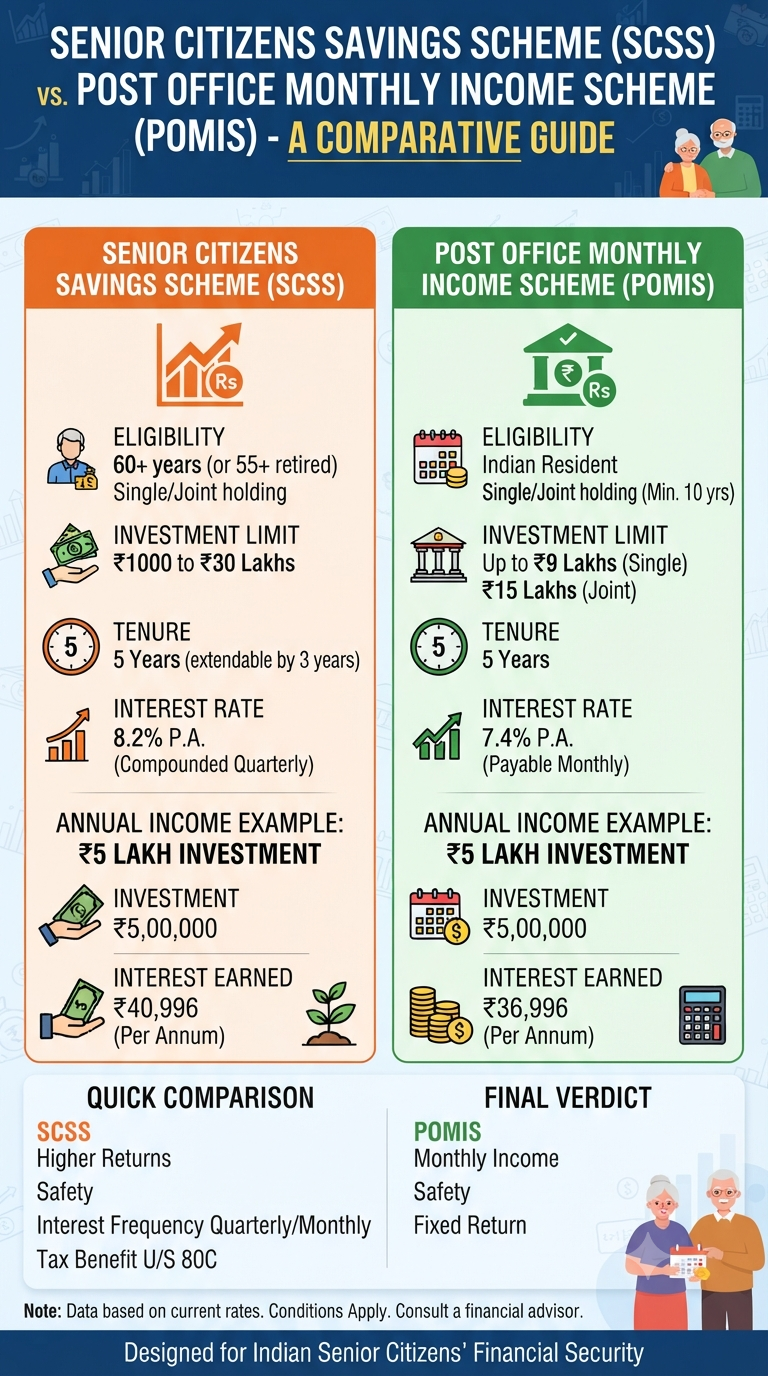
If you are looking for a safe, government-backed harbor for your hard-earned money, the Senior Citizens Savings Scheme (SCSS) and the Post Office Monthly Income Scheme (MIS) are likely at the top of your list. They offer peace of mind, stability, and the reliability of a sovereign guarantee. But when it comes to maximizing your…
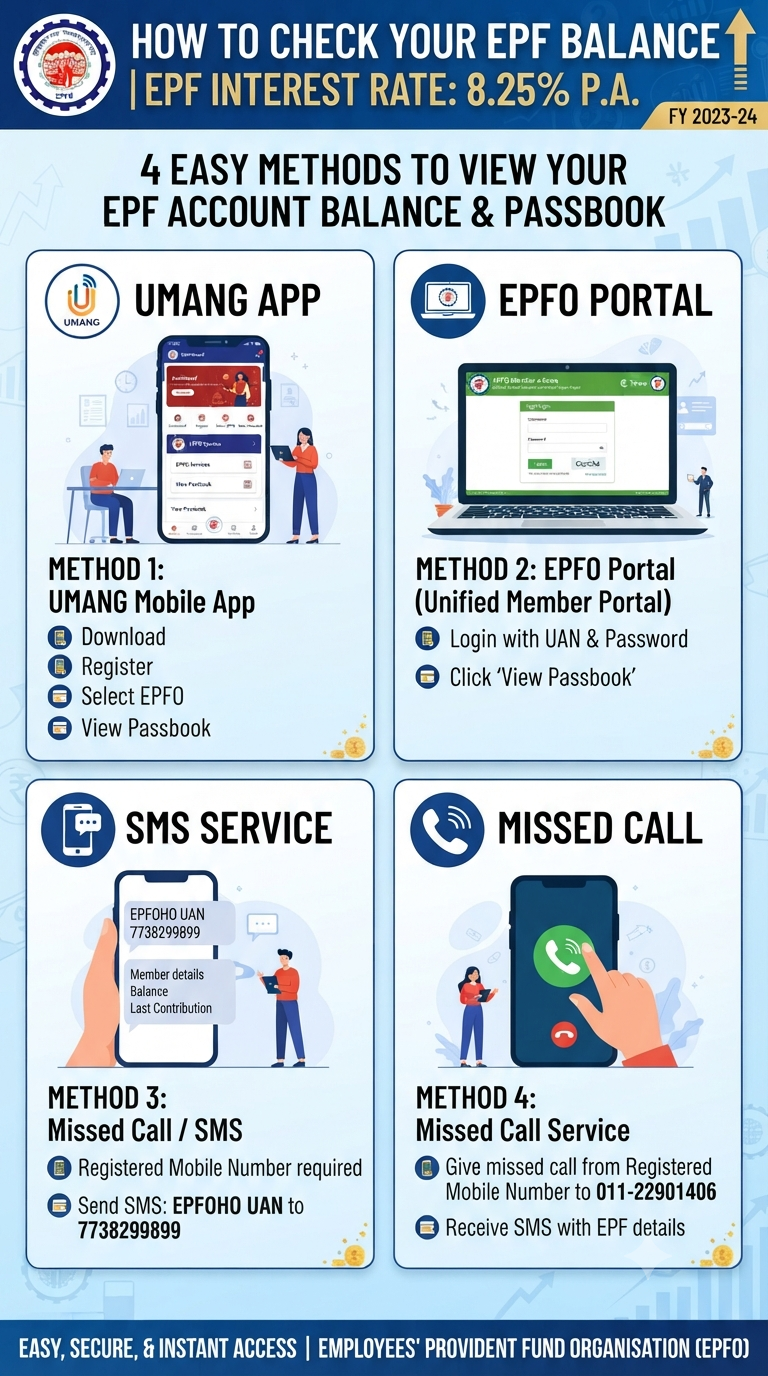
Let’s be honest. Most of us know EPF stands for Employees’ Provident Fund, and we know a chunk of our salary goes into it every month. But how many of us actually know exactly how much is in that corpus, or—more importantly—if that promised 8.25% interest has hit our account yet? If you’ve been meaning…
Continue Reading Checkmate Your PF Status: 4 Simple Ways to View Your EPF Balance Right Now
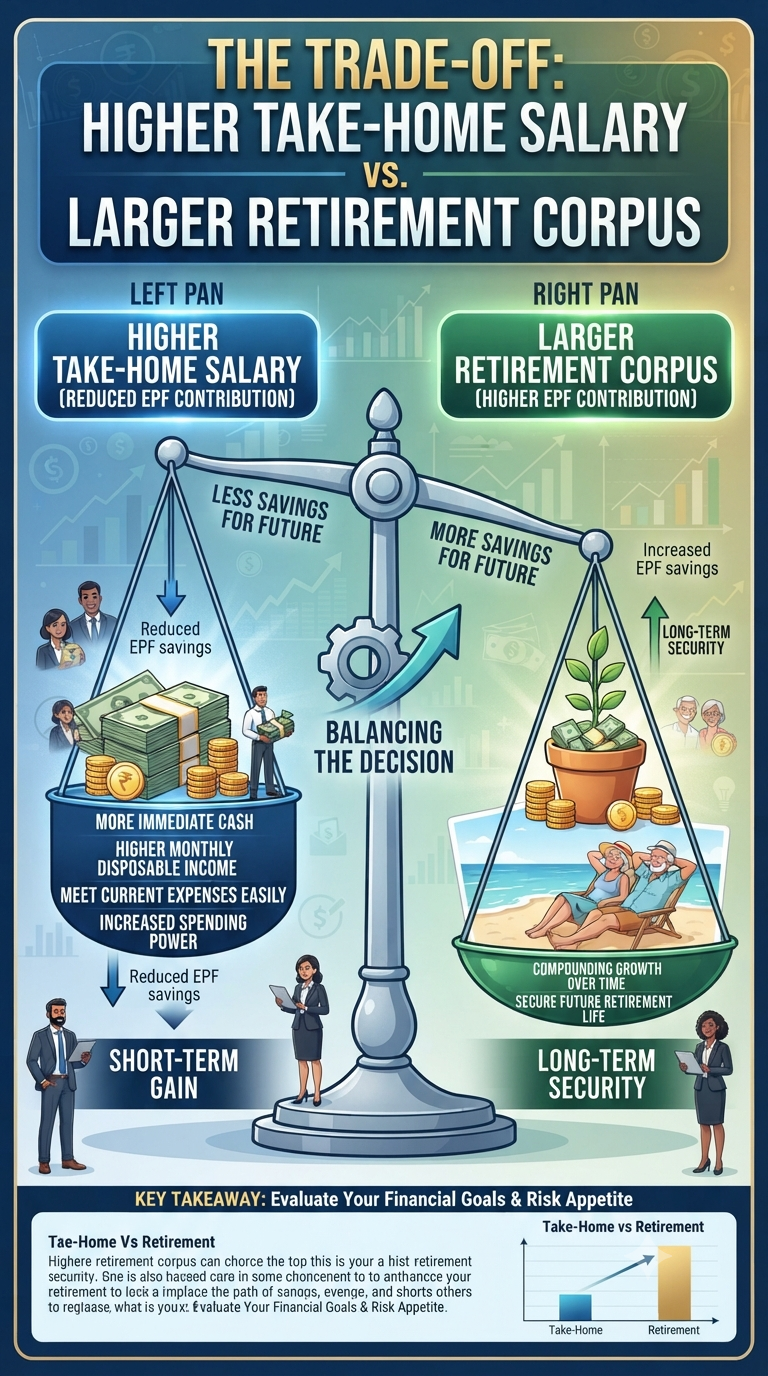
For any salaried professional, that email from HR announcing a salary hike—or better yet, a change that boosts your monthly take-home pay—is usually a cause for celebration. We all love a little extra breathing room in our monthly budget to cover rising costs, splurge on a vacation, or simply enjoy a higher standard of living…
Continue Reading More Cash Today or Millions Tomorrow? Decoding the Proposed EPF Change
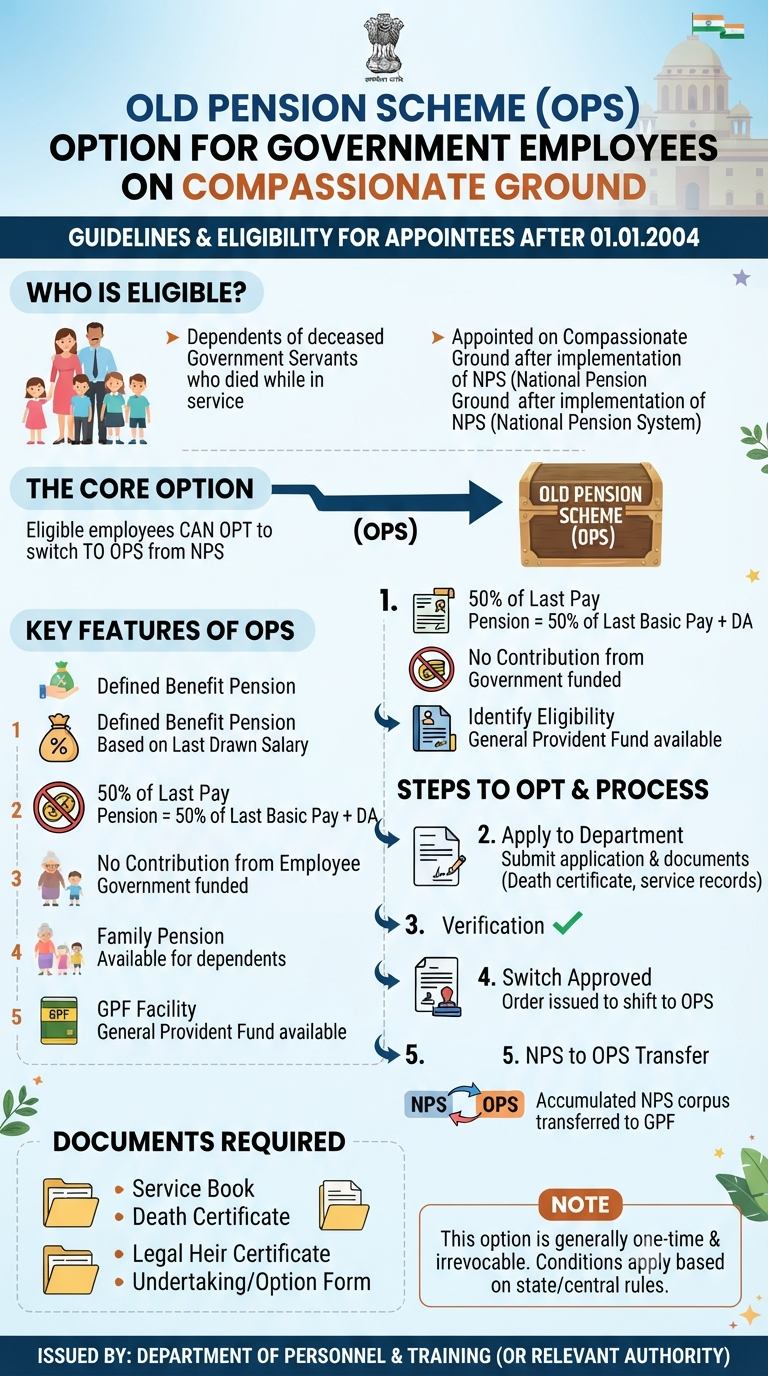
For thousands of government employees who entered service through the compassion of a family-related appointment, the transition into their careers was often marked by a bureaucratic “what-if.” Many had applied for their positions before the cutoff of December 2003, only to join service after the National Pension System (NPS) had already taken hold in January…
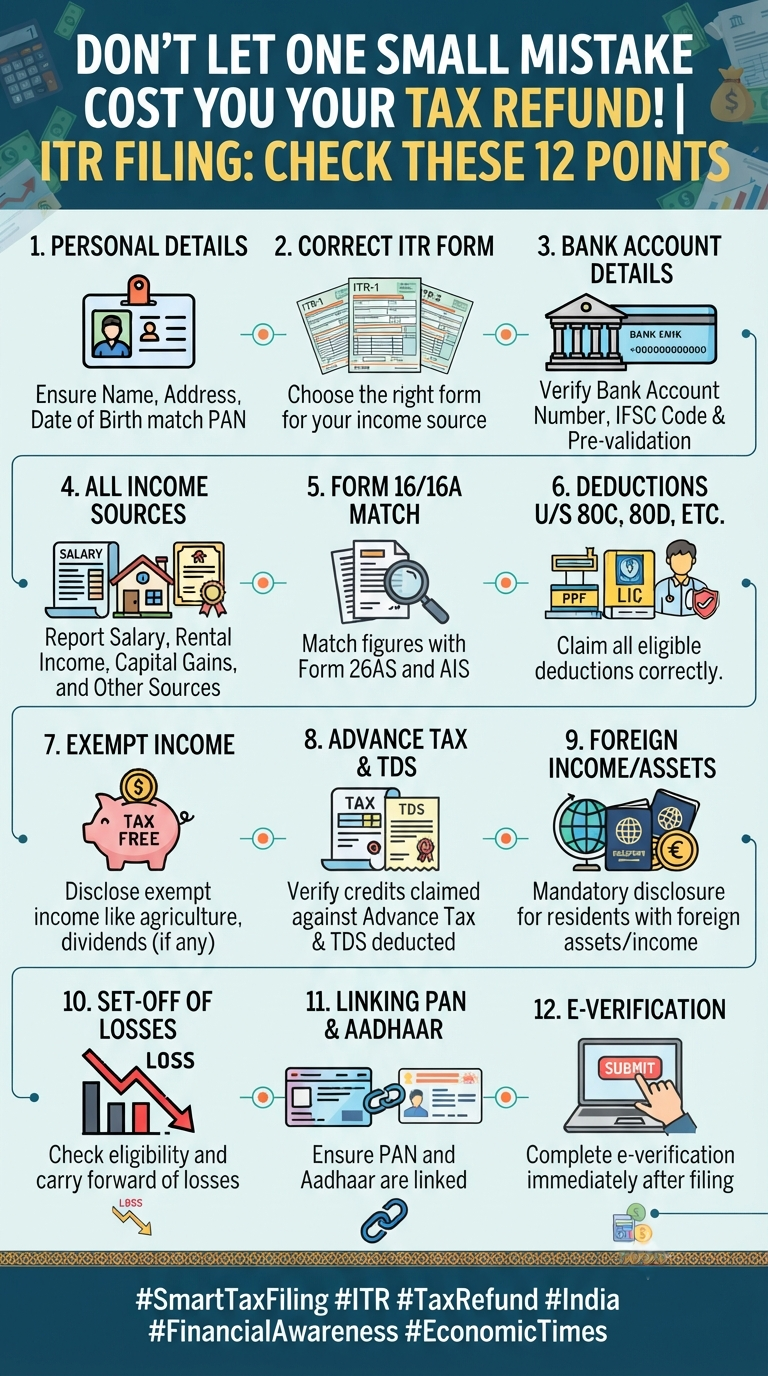
Filing your Income Tax Return (ITR) can often feel like a chore—a necessary evil that we rush through just to get it off our to-do list. But here is the reality: a single typo or a missed detail can be the difference between getting a swift tax refund and getting stuck in a bureaucratic nightmare.…
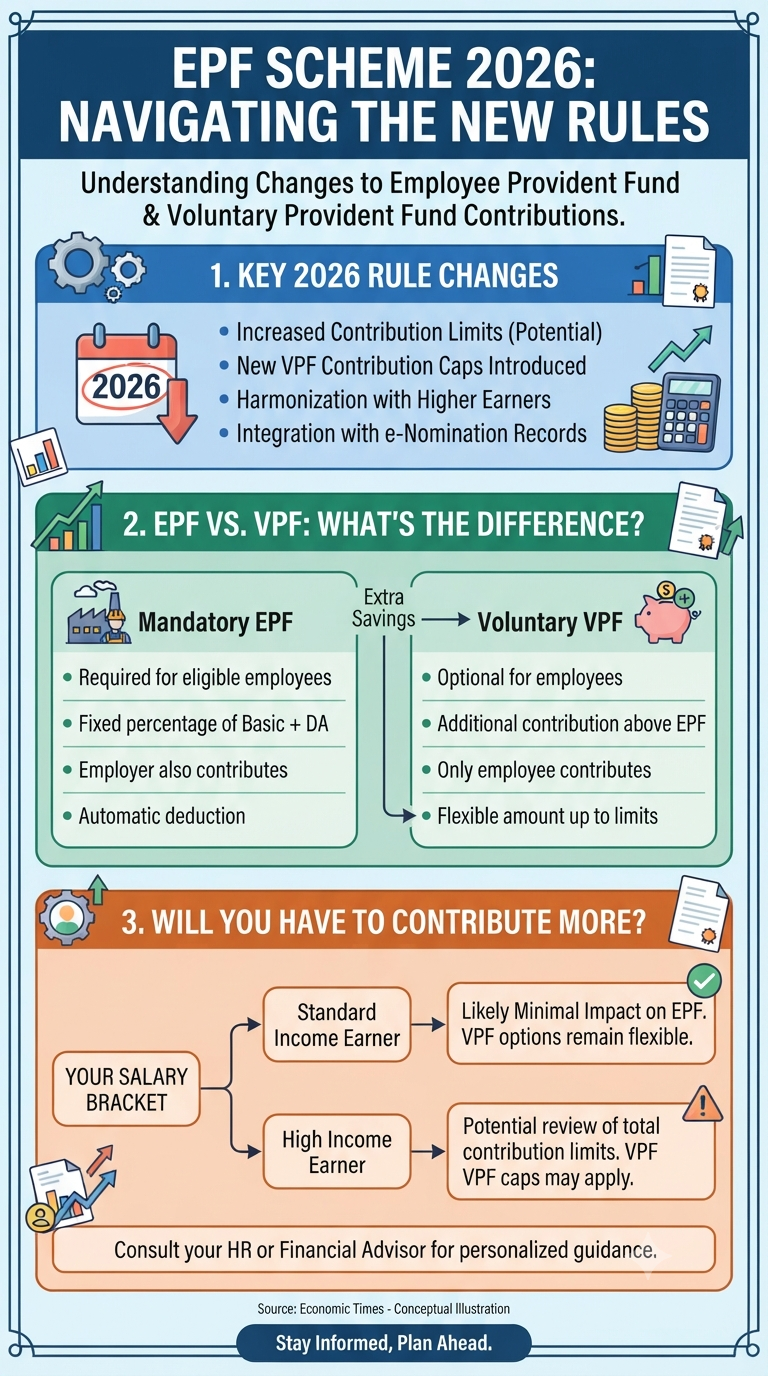
If you’ve been scrolling through financial news lately, you’ve probably noticed the buzz around the “EPF Scheme 2026” updates. It’s the kind of topic that sounds dry until you realize it directly affects how much of your hard-earned money stays in your pocket today versus how much gets tucked away for your future. With the…
Continue Reading EPF Scheme 2026: What the New Rules Actually Mean for Your Paycheck

Shreejith is the founder of InfographicStory.com, a hub for visual learning and data storytelling. Dedicated to simplifying complex ideas, he creates infographics that turn facts into insights. Have questions or collaboration ideas? Reach out to him at storyinfographic@gmail.com.