Filing your Income Tax Return (ITR) is one of those annual financial chores that often feels daunting. We scramble for Form 16s, look for investment proofs, and hope we haven’t missed anything. But what if there was a “cheat sheet” that held nearly all the information the Income Tax Department already has about your financial life?
Enter the Annual Information Statement (AIS)—your secret weapon for a stress-free tax filing season.
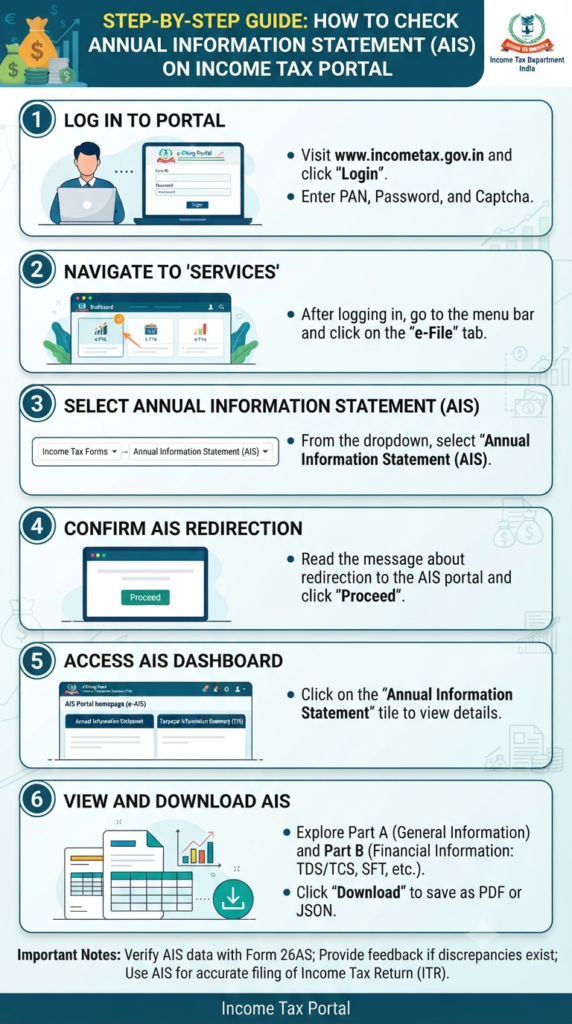
Checking your AIS isn’t just a best practice; it’s a vital step to ensure accuracy, avoid scrutiny, and prevent unnecessary delays in your tax refunds. Here is why you should make it your first stop this year.
What Exactly is the AIS?
Think of the AIS as a comprehensive financial mirror. It is a statement available on the official Income Tax e-filing portal that aggregates financial transactions linked to your Permanent Account Number (PAN) throughout the financial year.
This data is reported by various entities—banks, stockbrokers, mutual fund houses, employers, and property registrars—directly to the tax department. Because it’s updated dynamically as these entities file their returns, it serves as a real-time record of your financial footprint.
Why You Shouldn’t Skip This Step
Many taxpayers rush to file their ITR without glancing at their AIS, which can lead to:
- Discrepancies: You might forget a minor bank interest payment or a dividend income, leading to a mismatch that triggers a tax notice.
- Refund Delays: Any mismatch between what you report and what the tax department sees can put a hold on your refund.
- Unnecessary Penalties: Inaccurate reporting, even if unintentional, can attract scrutiny or penalties.
By checking the AIS, you are effectively “pre-validating” your ITR, ensuring that the numbers you submit align perfectly with the department’s records.
How to Access Your AIS (A Quick Walkthrough)
Accessing this information is simpler than it sounds. Follow these steps to get a clear picture of your financial year:
- Log In: Head over to the Income Tax e-filing portal and sign in using your credentials.
- Navigate to the AIS Tab: Once you are logged in, you will find the ‘AIS’ tab prominently displayed.
- Explore the Dashboard: You will see two main tiles: Taxpayer Information Summary (TIS) and Annual Information Statement (AIS). The TIS is a great starting point, as it provides a category-wise summary of your data—these revised values are what you should look to pre-fill in your tax return.
- Dive into Details: Select the relevant financial year from the dropdown menu and click the ‘AIS’ tile.
- Part A covers your general information (name, address, contact details).
- Part B is where the action is, detailing your TDS/TCS data, SFT information, tax payments, and any demand or refund history.
- Download for Records: If you like to work offline, you can download these details in PDF, JSON, or CSV formats. Note: The PDF is password-protected using your PAN (in lowercase) followed by your date of birth in DDMMYYYY format.
Final Thoughts
Before you hit that “submit” button on your ITR, take a moment to review your AIS. It is an incredibly powerful tool that puts you in the driver’s seat, allowing you to catch errors early and file your returns with total confidence.
After all, tax season is stressful enough—don’t make it harder by leaving your financial documentation to guesswork!
Retire Rich: How a ₹3 Crore Corpus Can Power Your Dream Life

Retirement often feels like a distant milestone—something to worry about “later.” But what if you could visualize that “later” right now? Imagine hitting age 60 with a solid ₹3 crore corpus. It’s not just a number on a screen; it’s the key to your financial independence, the bridge to your passions, and the ultimate safety…
Continue Reading Retire Rich: How a ₹3 Crore Corpus Can Power Your Dream Life
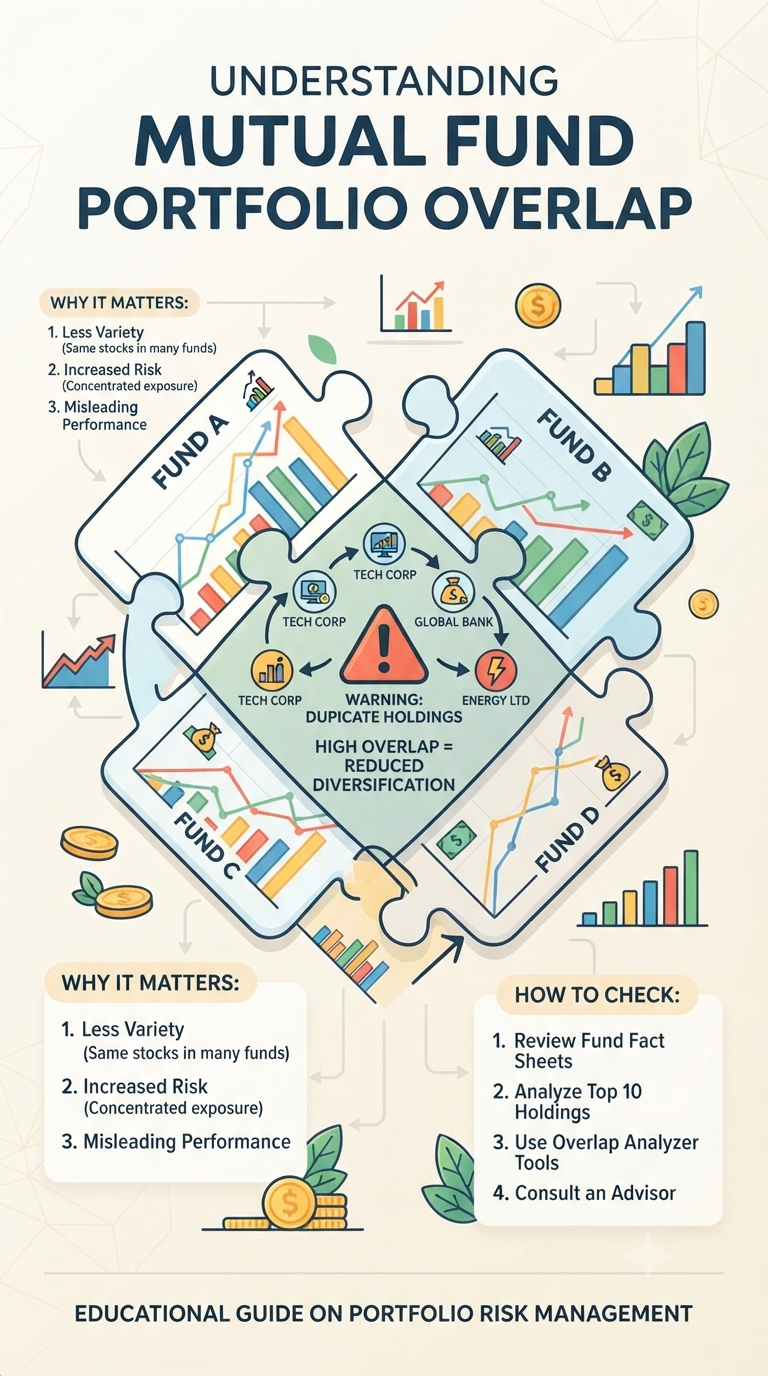
You’ve done your homework. You’ve read the financial news, listened to the podcasts, and decided it’s time to secure your financial future. To build a robust, resilient portfolio, you adopt a “more is merrier” strategy, buying into several different mutual funds to ensure you are diversified. But here is a hard truth that many investors…
Continue Reading The Illusion of Choice: Are You Trapped in the Mutual Fund Overlap Web?

When it comes to health, we’re often bombarded with quick fixes and extreme restrictions. But what if the secret to managing blood sugar and achieving weight loss wasn’t about deprivation, but about intentional, high-protein nourishment? If you’ve been looking for a way to reset your habits without feeling constantly hungry, a high-protein, diabetes-friendly approach might…

When you’re staring at the fruit bowl wondering which snack will do your heart the most good, it’s easy to feel torn. Do you reach for the convenient banana or the zesty, refreshing orange? Both are nutritional powerhouses, but they bring different strengths to your cardiovascular game. Let’s break down how these two favorites measure…
Continue Reading Heart-Healthy Snacking: The Battle of the Fruits
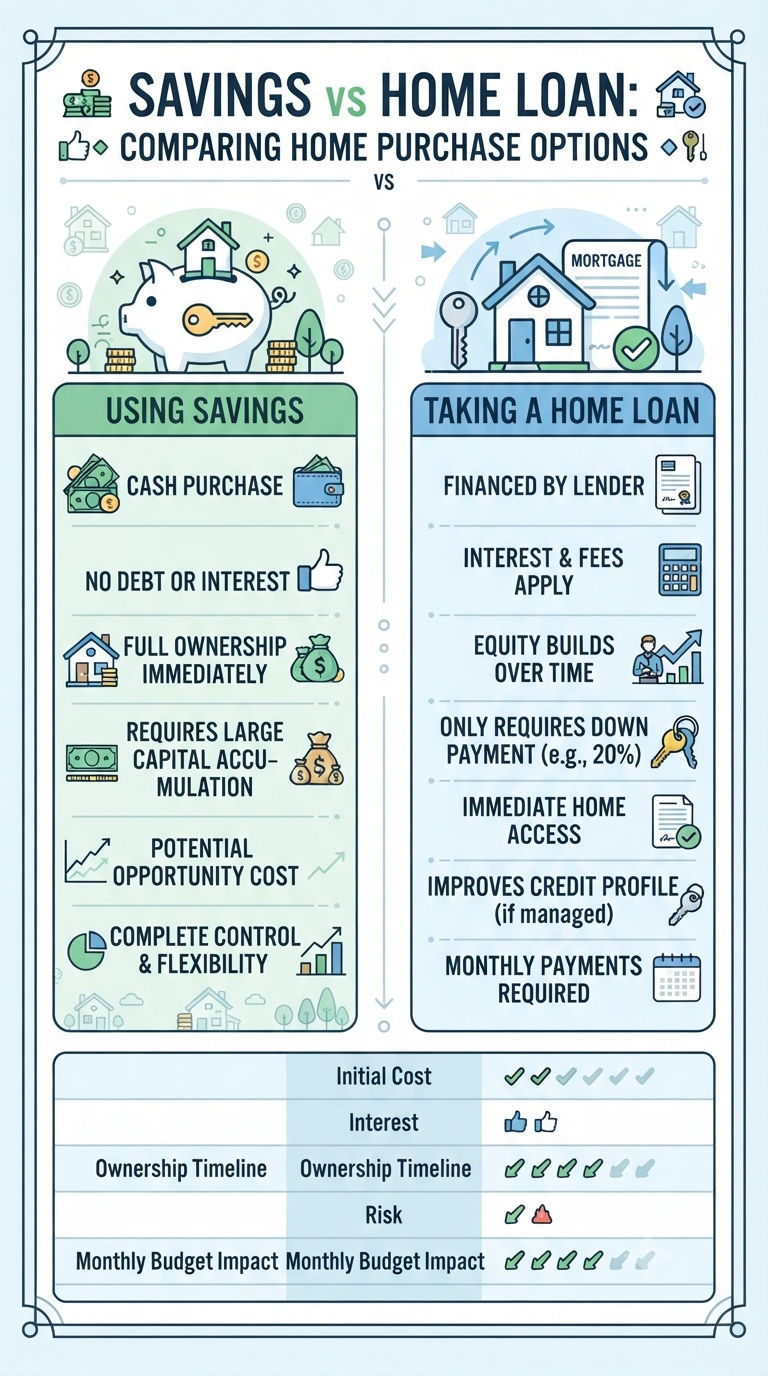
Buying a home is one of life’s biggest milestones. For most people, it’s not just a house—it’s a long-term investment in their future and a place to build a life. But with such a massive price tag, a fundamental question arises: Should I save up and pay cash, or should I take out a home…
Continue Reading The Ultimate Showdown: Is it Better to Buy Your Dream Home with Cash or a Mortgage?
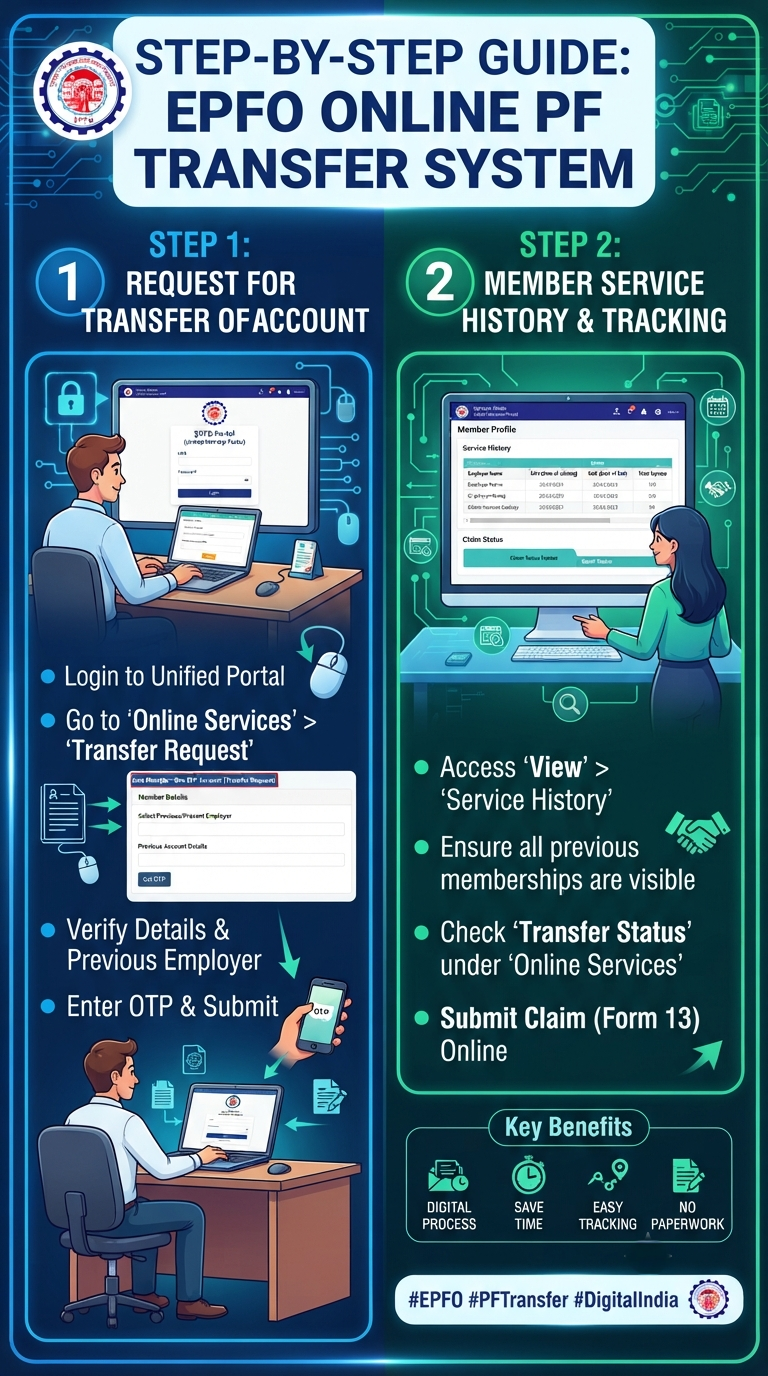
Let’s be honest: tracking down old Provident Fund (PF) accounts from past jobs feels like a chore no one wants to tackle. Between the mountain of forms, the fear of losing service history, and the sheer time it takes, many of us just leave our old accounts sitting idle. But what if you could clean…
Continue Reading Say Goodbye to Paperwork: How to Consolidate Your EPF Accounts Online

Shreejith is the founder of InfographicStory.com, a hub for visual learning and data storytelling. Dedicated to simplifying complex ideas, he creates infographics that turn facts into insights. Have questions or collaboration ideas? Reach out to him at storyinfographic@gmail.com.