Receiving an official communication from the Income Tax Department can cause anyone a moment of panic. If you have just opened your inbox to find a notice under Section 143(2), take a deep breath. While it certainly requires your immediate attention, it is a standard procedure in the tax administration process. Understanding what it is and how to handle it can turn a stressful situation into a manageable task.
Here is what you need to know about navigating a scrutiny assessment.
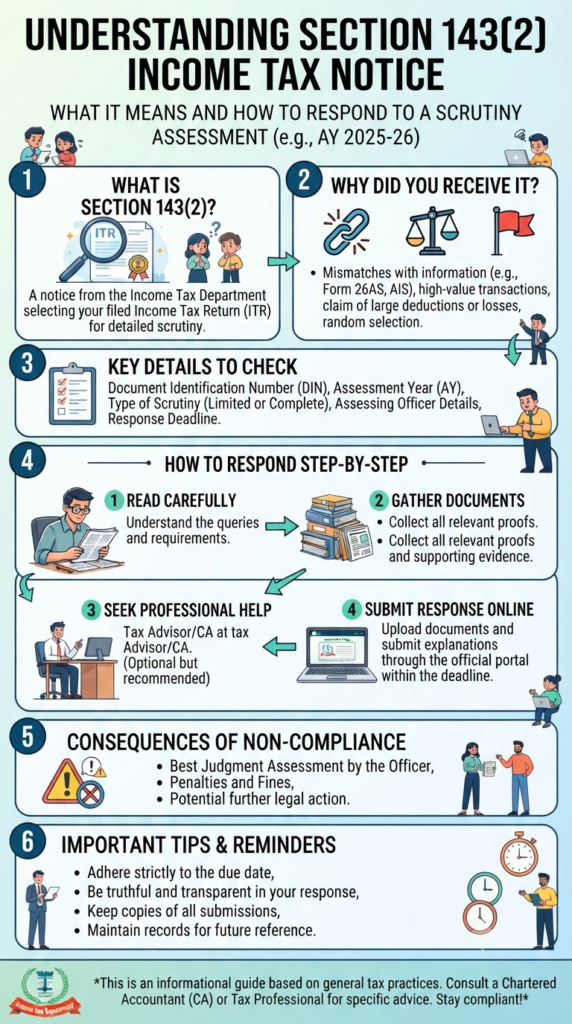
What exactly is Section 143(2)?
Simply put, a notice under Section 143(2) means the Income Tax Department has selected your filed Income Tax Return (ITR) for a detailed scrutiny assessment. It is their way of verifying the accuracy of the information you provided in your return.
Why did I get this notice?
It is easy to feel targeted, but these notices are often triggered by automated systems rather than personal vendettas. Common reasons for receiving one include:
- Mismatches: Discrepancies between your filed ITR and data in your Form 26AS or Annual Information Statement (AIS).
- Financial Activity: Engaging in high-value transactions that caught the system’s attention.
- Claims: Declaring very large deductions or losses.
- Random Selection: Sometimes, returns are simply chosen for scrutiny at random for standard auditing purposes.
Before you panic, check these details
When you first open the notice, ensure you verify the following key details:
- Document Identification Number (DIN)
- The Assessment Year (AY)
- The type of scrutiny (whether it is “Limited” or “Complete”)
- Details of the Assessing Officer
- The response deadline
Your Step-by-Step Response Plan
Do not ignore the notice; procrastination is your biggest enemy here. Follow these steps to handle it effectively:
- Read carefully: Go through the document thoroughly to fully understand exactly what the tax officer is asking for.
- Gather your evidence: Collect all relevant proofs and supporting documentation that justify the claims made in your ITR.
- Get expert help: While not mandatory, it is highly recommended to consult a Chartered Accountant (CA) or a tax advisor to ensure your response is technically sound.
- Submit online: Upload your comprehensive response, explanations, and supporting documents through the official portal before the specified deadline.
Why you shouldn’t ignore it
Non-compliance can lead to serious consequences, including a “Best Judgment Assessment” by the officer, the imposition of fines and penalties, and the potential for further legal action against you.
Final Tips for Success
- Respect the clock: Adhere strictly to the due dates provided.
- Honesty is the best policy: Be completely truthful and transparent in your explanations.
- Stay organized: Keep copies of everything you submit and maintain your records well for future reference.
Disclaimer: This article is an informational guide based on general tax practices. Always consult a Chartered Accountant or tax professional for advice specific to your financial situation.
Are You Paying Rent to Joint Owners? Stop and Read This Before Deducting TDS!

When we think of calcium, our minds often jump straight to a tall, frosty glass of milk or a wedge of cheddar. It’s the classic advice we’ve been given since childhood. But what if you aren’t a fan of dairy, or your body simply doesn’t agree with it? The good news is that you don’t…
Continue Reading Beyond Dairy: The Green Way to Stronger Bones
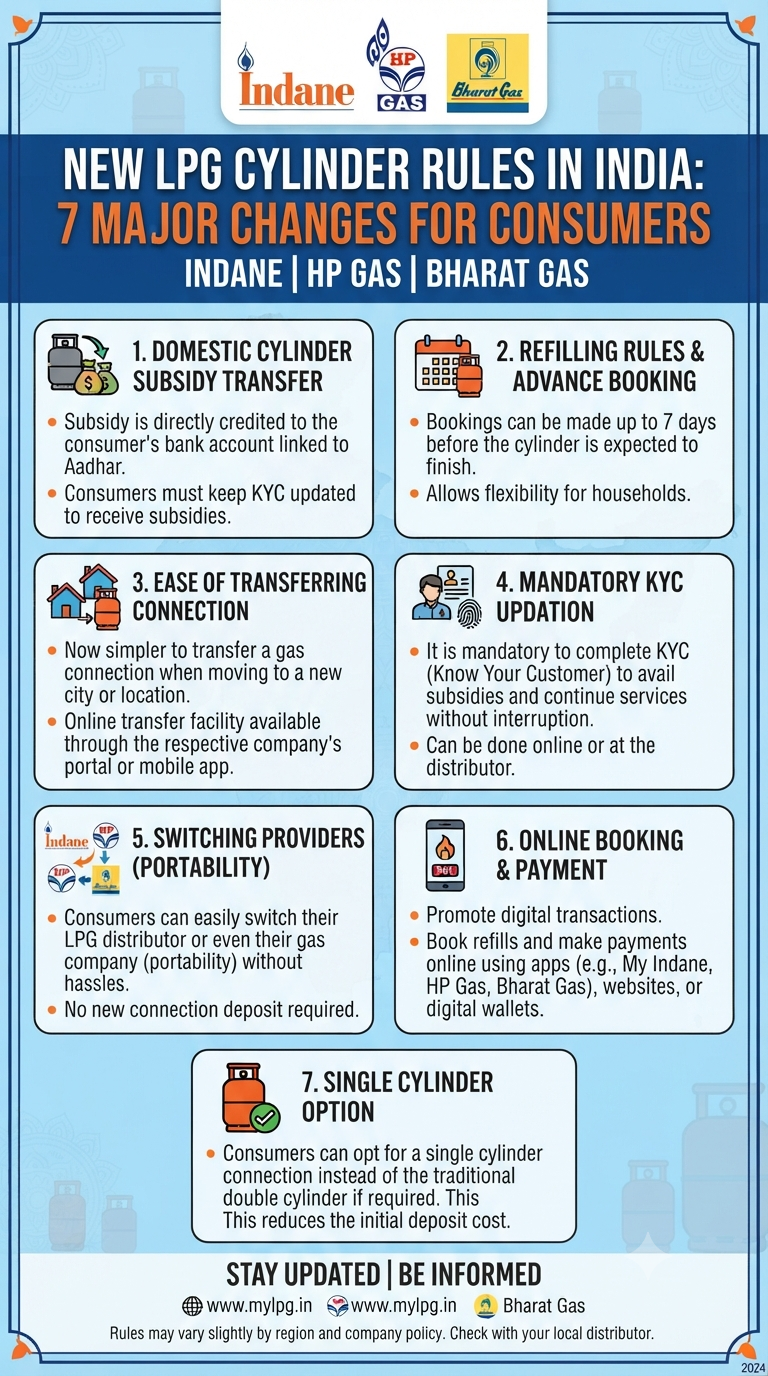
If you are a household consumer in India using Indane, HP Gas, or Bharat Gas, keeping up with changing policies can sometimes feel like a chore. However, staying informed is the best way to ensure you never face a disruption in your cooking gas supply or miss out on your hard-earned subsidies. Recent updates to…
Continue Reading New LPG Rules Simplified: 7 Major Changes You Need to Know

When we think of magnesium-rich foods, the humble banana often takes center stage. It’s convenient, affordable, and—let’s be honest—it’s been marketed as the go-to fruit for potassium and magnesium for decades. But did you know that your banana might actually be underperforming when it comes to your daily magnesium needs? Magnesium is an unsung hero…
Continue Reading Move Over, Banana: The Surprising Foods That Pack More Magnesium
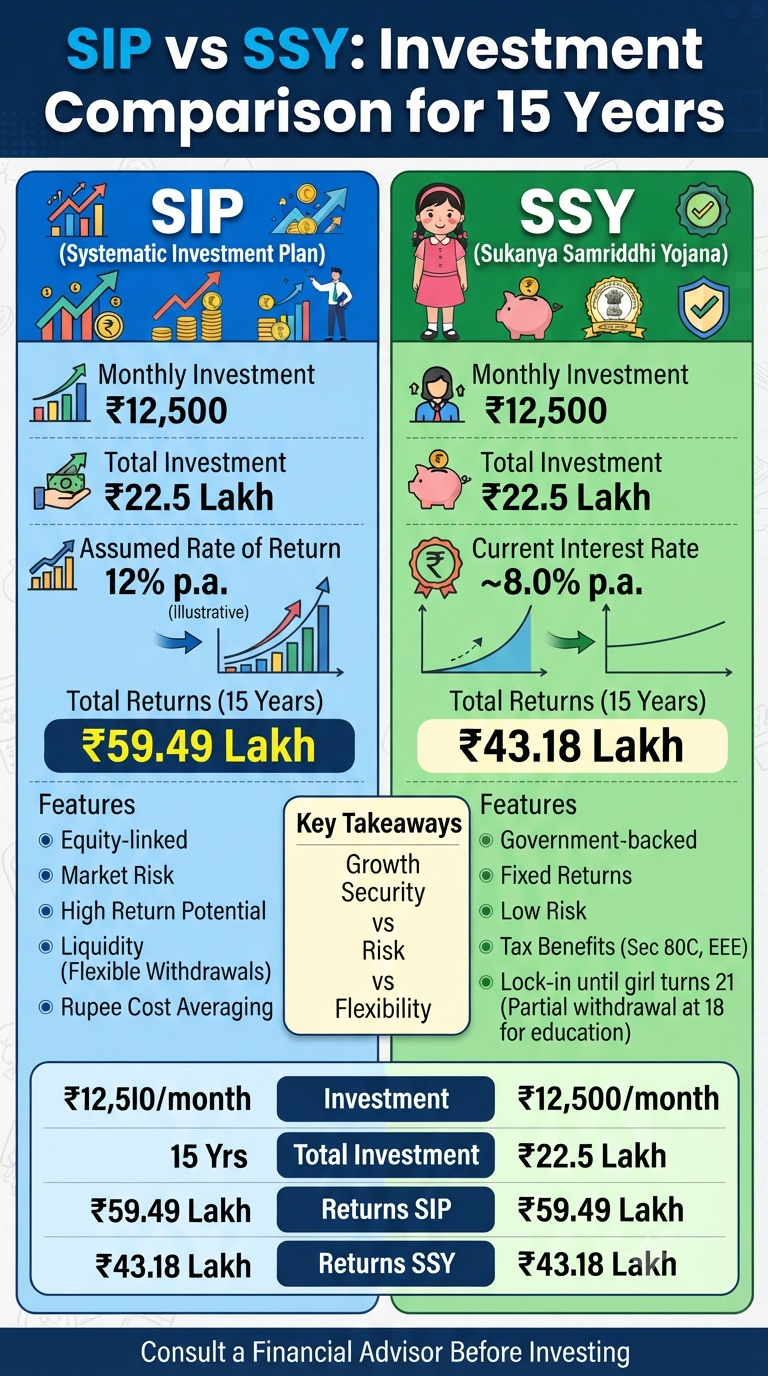
Investing for the future is crucial, and choosing the right investment avenue can make a significant difference in achieving your financial goals. Two popular options in India are the Systematic Investment Plan (SIP) and the Sukanya Samriddhi Yojana (SSY). Let’s delve into a detailed comparison to help you make an informed decision. SIP: Equity-linked and…
Continue Reading SIP vs. SSY: A Detailed Comparison for a Secure Financial Future

As parents, we are constantly looking ahead. We dream of our daughter’s college graduation, her first steps into a career, and perhaps her wedding day. But dreams, while priceless, require pragmatic financial planning to become reality. When it comes to securing a financial corpus for a girl child in India, two names inevitably pop up…
Continue Reading Secure Her Dreams: Decystifying the SSY vs. FD Battle for Your Daughter’s Future

We’ve all been there—staring at the bank balance, feeling the familiar squeeze of anxiety, and wondering when things will finally get easier. Often, we treat money problems purely as a logistical issue: we need more income, less debt, or a better budget. But what if the key to financial freedom isn’t just found in a…
Continue Reading From Scarcity to Abundance: 5 Daily Rituals to Unlock True Financial Prosperity

Shreejith is the founder of InfographicStory.com, a hub for visual learning and data storytelling. Dedicated to simplifying complex ideas, he creates infographics that turn facts into insights. Have questions or collaboration ideas? Reach out to him at storyinfographic@gmail.com.