Investing for the future is crucial, and choosing the right investment avenue can make a significant difference in achieving your financial goals. Two popular options in India are the Systematic Investment Plan (SIP) and the Sukanya Samriddhi Yojana (SSY). Let’s delve into a detailed comparison to help you make an informed decision.
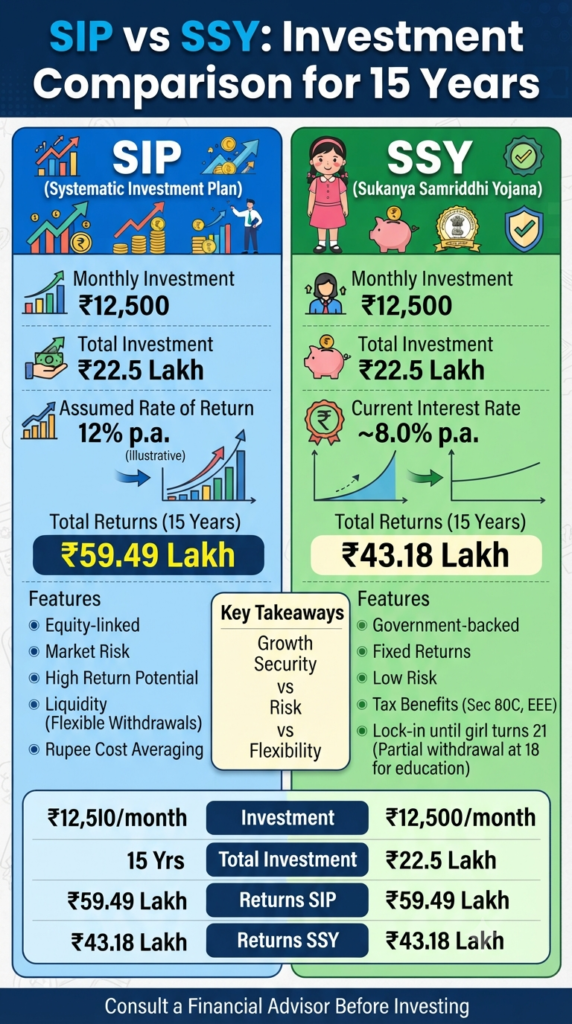
SIP: Equity-linked and High Return Potential
SIP is an investment strategy where you invest a fixed amount at regular intervals in mutual funds. These funds typically invest in equities, which have the potential for higher returns over the long term.
Key Features of SIP:
- Equity-linked: Your investments are subject to market fluctuations, which means there is a risk of capital loss. However, it also offers the potential for higher returns compared to traditional investment options.
- Market Risk: The value of your investments can rise or fall based on market conditions. It is important to understand and accept this risk before investing.
- High Return Potential: Equities have historically provided better returns than other asset classes over the long term, making SIP a suitable option for long-term wealth creation.
- Liquidity: SIP investments are highly liquid, allowing you to withdraw your funds whenever you need them. This flexibility is a significant advantage, especially during emergencies.
- Rupee Cost Averaging: SIP allows you to buy more units when the market is down and fewer units when the market is up, which helps average out the cost of your investments over time.
SSY: Government-backed and Secured Returns
SSY is a government-backed savings scheme specifically designed to secure the financial future of the girl child. It is a popular choice for parents looking for a safe and reliable investment option for their daughter’s education and marriage.
Key Features of SSY:
- Government-backed: SSY is a government-backed scheme, which makes it a very safe and secure investment option. Your investment is guaranteed by the government, ensuring the safety of your principal amount.
- Fixed Returns: SSY offers a fixed rate of return, which is determined by the government and reviewed periodically. This provides predictability and stability, allowing you to plan your finances better.
- Low Risk: Since SSY is government-backed and offers fixed returns, it is considered a low-risk investment option. This makes it suitable for conservative investors.
- Tax Benefits: SSY investments qualify for tax deductions under Section 80C of the Income Tax Act. Additionally, the interest earned and the maturity amount are tax-free, making it a tax-efficient investment option.
- Lock-in Period: SSY has a lock-in period until the girl child turns 21. However, partial withdrawal is allowed for education purposes after the girl child turns 18.
Comparison: SIP vs. SSY
| Feature | SIP | SSY |
| Investment Type | Mutual Funds (Equity-linked) | Government-backed Savings Scheme |
| Risk | High (Market fluctuations) | Low (Government-backed, Fixed returns) |
| Return Potential | High | Moderate |
| Liquidity | High | Low (Lock-in until 21, Partial withdrawal at 18) |
| Tax Benefits | Yes (Under Section 80C, but interest earned is taxable) | Yes (Under Section 80C, interest earned and maturity amount are tax-free) |
| Objective | Wealth creation | Securing girl child’s future |
Key Takeaways: Growth vs. Security, Risk vs. Flexibility
- Growth: SIP offers higher growth potential due to its equity exposure.
- Security: SSY provides greater security and predictability due to its government backing and fixed returns.
- Risk: SIP involves higher risk due to market fluctuations, while SSY is a low-risk investment.
- Flexibility: SIP offers higher flexibility in terms of liquidity, while SSY has a lock-in period.
Conclusion: Making the Right Choice
The choice between SIP and SSY depends on your individual financial goals, risk appetite, and investment horizon. If you are looking for long-term wealth creation and are willing to take on some risk, SIP could be a suitable option. However, if your primary objective is to secure your daughter’s future with a safe and reliable investment option, SSY might be a better choice.
It is important to consult a financial advisor before making any investment decisions. They can assess your financial situation and help you choose the right investment avenue that aligns with your goals and risk appetite.
Secure Her Dreams: Decystifying the SSY vs. FD Battle for Your Daughter’s Future

When we think of calcium, our minds often jump straight to a tall, frosty glass of milk or a wedge of cheddar. It’s the classic advice we’ve been given since childhood. But what if you aren’t a fan of dairy, or your body simply doesn’t agree with it? The good news is that you don’t…
Continue Reading Beyond Dairy: The Green Way to Stronger Bones
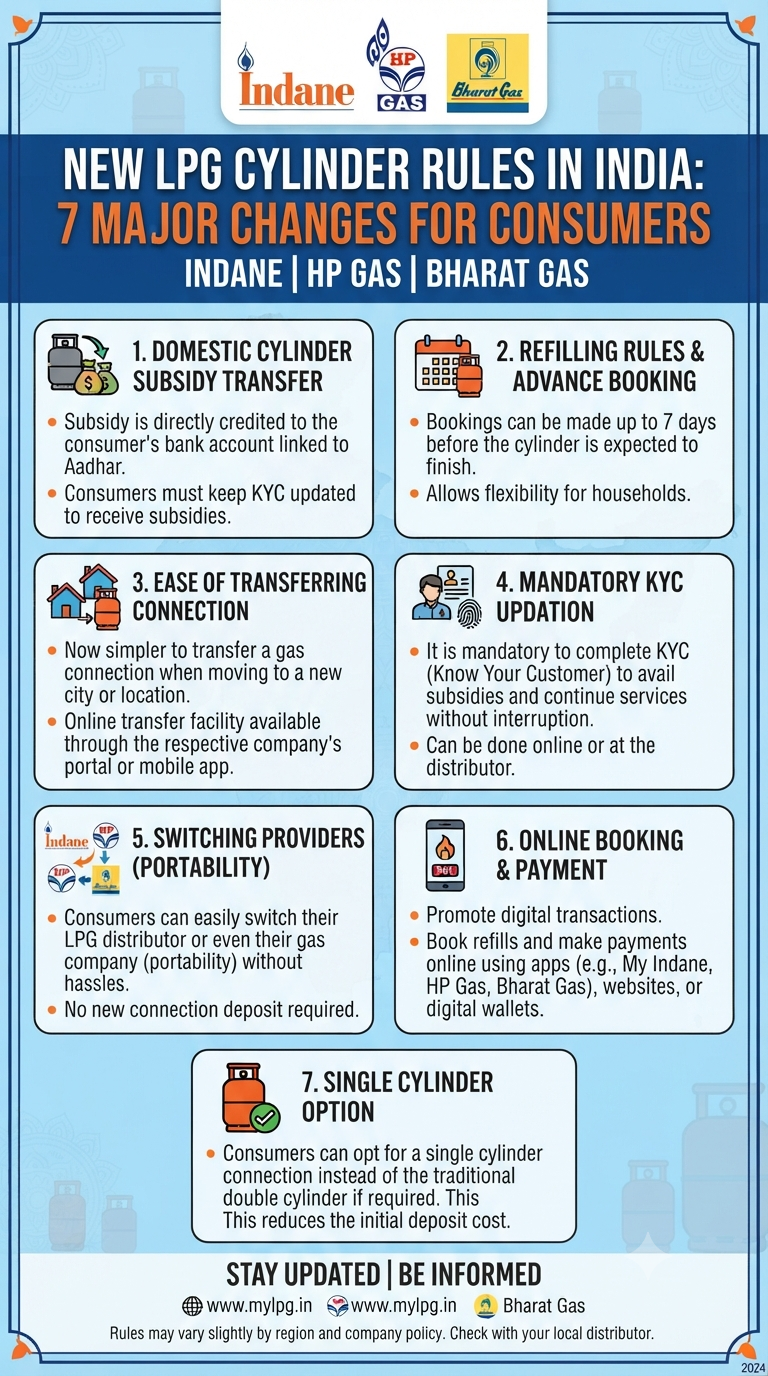
If you are a household consumer in India using Indane, HP Gas, or Bharat Gas, keeping up with changing policies can sometimes feel like a chore. However, staying informed is the best way to ensure you never face a disruption in your cooking gas supply or miss out on your hard-earned subsidies. Recent updates to…
Continue Reading New LPG Rules Simplified: 7 Major Changes You Need to Know

When we think of magnesium-rich foods, the humble banana often takes center stage. It’s convenient, affordable, and—let’s be honest—it’s been marketed as the go-to fruit for potassium and magnesium for decades. But did you know that your banana might actually be underperforming when it comes to your daily magnesium needs? Magnesium is an unsung hero…
Continue Reading Move Over, Banana: The Surprising Foods That Pack More Magnesium
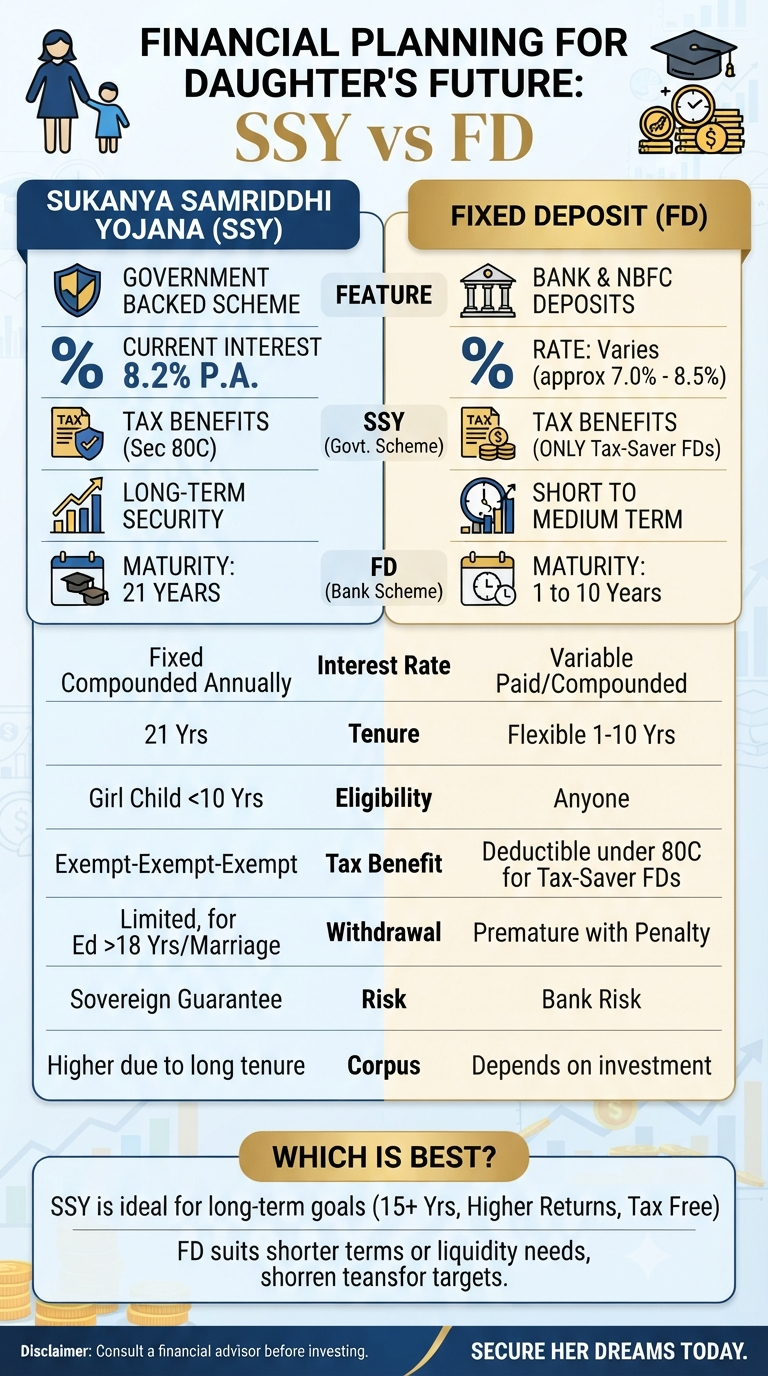
As parents, we are constantly looking ahead. We dream of our daughter’s college graduation, her first steps into a career, and perhaps her wedding day. But dreams, while priceless, require pragmatic financial planning to become reality. When it comes to securing a financial corpus for a girl child in India, two names inevitably pop up…
Continue Reading Secure Her Dreams: Decystifying the SSY vs. FD Battle for Your Daughter’s Future

We’ve all been there—staring at the bank balance, feeling the familiar squeeze of anxiety, and wondering when things will finally get easier. Often, we treat money problems purely as a logistical issue: we need more income, less debt, or a better budget. But what if the key to financial freedom isn’t just found in a…
Continue Reading From Scarcity to Abundance: 5 Daily Rituals to Unlock True Financial Prosperity
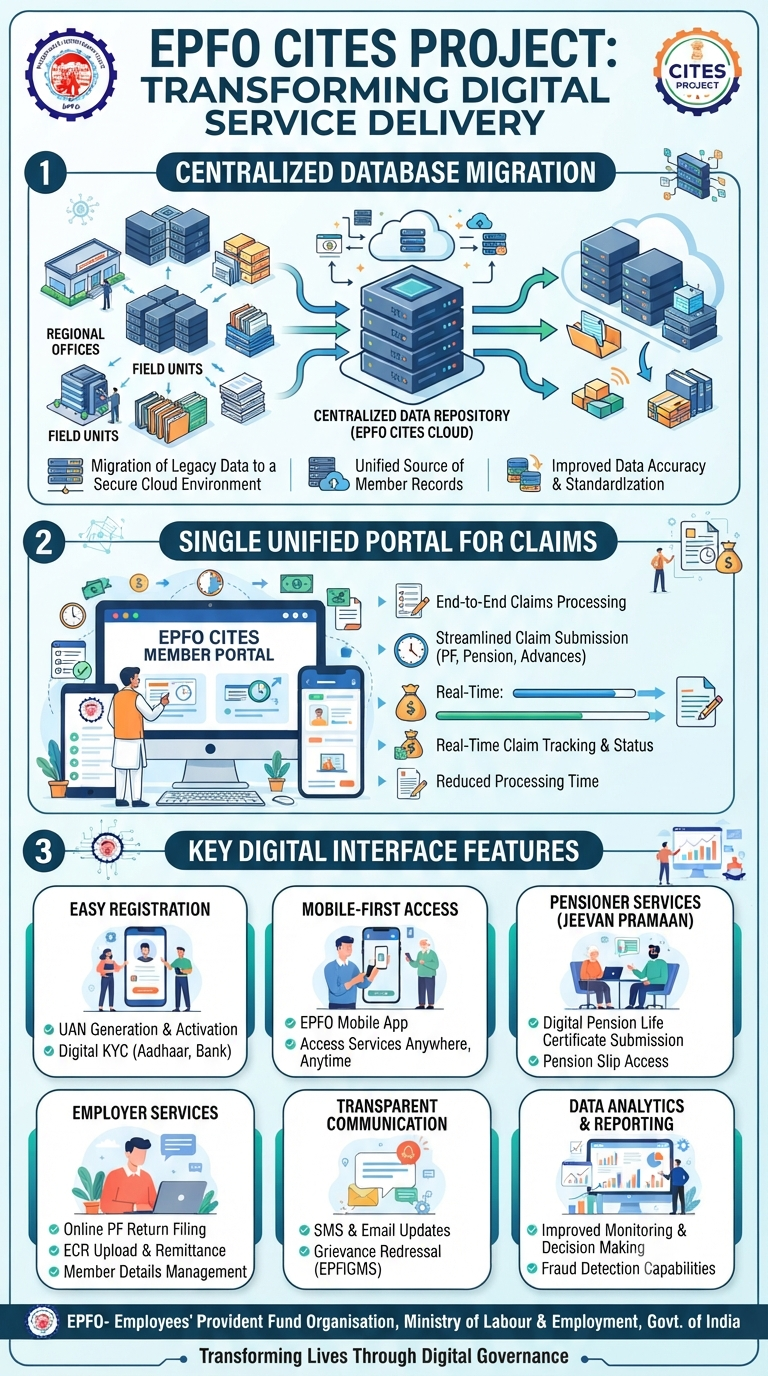
For decades, interacting with the Employees’ Provident Fund Organisation (EPFO) often felt like stepping back in time. Between the mountain of physical paperwork, the anxiety of waiting for transfer approvals, and the occasional need to visit regional offices just to check a status update, the system was ripe for a modern evolution. Well, that evolution…

Shreejith is the founder of InfographicStory.com, a hub for visual learning and data storytelling. Dedicated to simplifying complex ideas, he creates infographics that turn facts into insights. Have questions or collaboration ideas? Reach out to him at storyinfographic@gmail.com.