Managing your Employees’ Provident Fund (EPF) can often feel like deciphering complex government codes. Whether you are planning for retirement, dealing with a job transition, or facing a financial emergency, understanding your EPF is vital. Based on the EPFO guidelines, here is a straightforward breakdown to help you navigate the process with confidence.
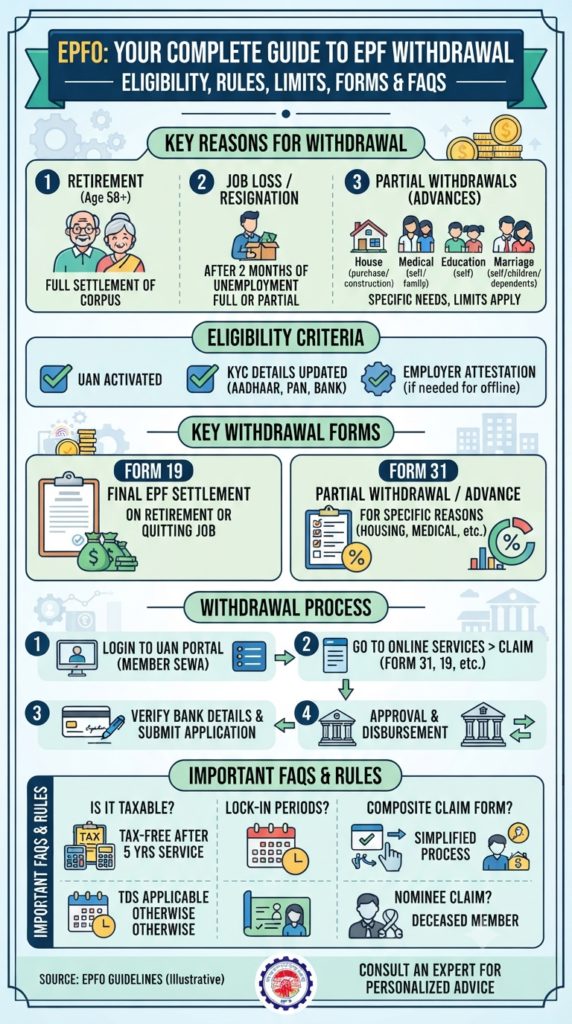
Why and When Can You Withdraw?
The Employees’ Provident Fund Organisation (EPFO) allows for withdrawals under specific circumstances. Generally, these fall into three categories:
- Retirement: Once you turn 58, you are eligible for the full settlement of your accumulated corpus.
- Job Loss or Resignation: If you leave your job, you can opt for a full settlement after being unemployed for at least two months (60 days).
- Partial Withdrawals (Advances): You don’t always need to quit your job to access your funds. EPF members can claim non-refundable advances for specific needs while still employed, such as medical emergencies, house purchases, or marriage expenses.
Understanding the Key Forms
Before you jump into the portal, it is important to know which form you need:
- Form 19: This is your go-to for a final EPF settlement when you retire or resign.
- Form 31: Use this for partial withdrawals or advances for reasons like medical treatment or home loans.
- Form 10C: This form is used to withdraw your pension accumulation (EPS), specifically if your continuous service is less than 10 years.
The Withdrawal Process: A Step-by-Step Guide
Submitting your claim has become significantly easier with the online portal. Follow these steps to file your claim:
- Log In: Visit the official EPFO Member Interface and log in using your UAN and password.
- Verify KYC: Navigate to ‘Manage > KYC’ to ensure your Bank Account, PAN, and Aadhaar are verified.
- Initiate Claim: Go to ‘Online Services > Claim (Form-31, 19, 10C, 10D)’.
- Confirm Details: Verify your registered bank account details.
- Submit: Choose your required form, authenticate the request using an Aadhaar-linked OTP, and submit.
Quick FAQs to Keep in Mind
- Is withdrawal taxable? Generally, if you have completed five years of continuous service, your withdrawal is tax-free. If withdrawn earlier, it may be subject to tax.
- How long does it take? Online claims are typically processed within 7 to 15 working days.
- Why might a claim be rejected? Common pitfalls include mismatched KYC details (like a name or date of birth mismatch), an inactive bank account, or failing to meet the two-month waiting period after resignation.
Disclaimer: This information is for educational purposes only. Always consult with a certified expert or refer to official EPFO guidelines before making significant financial decisions.
From Filing to Peace of Mind: A Simple Guide to Tracking Your ITR Status (AY 2026-27)
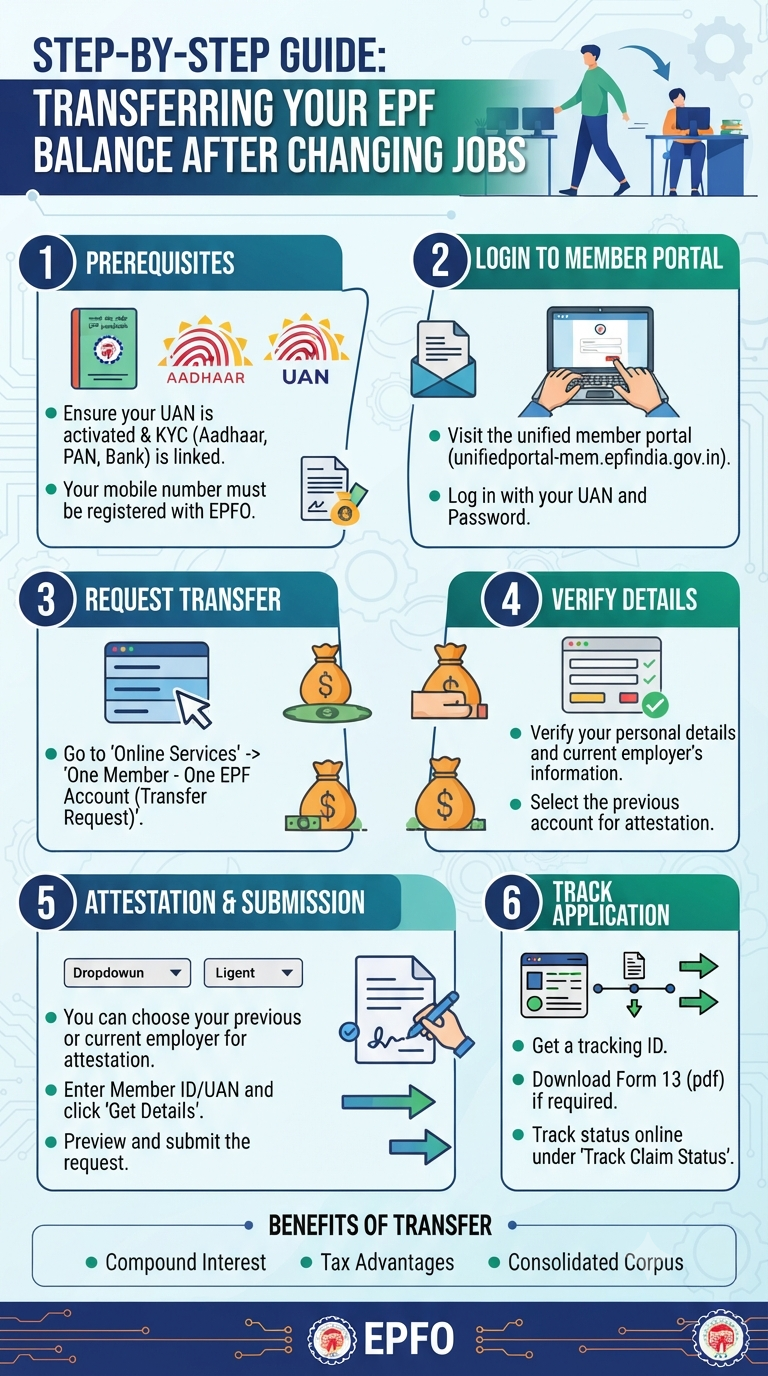
Switching jobs is an exciting milestone, but it often brings a laundry list of administrative tasks. One of the most important, yet frequently overlooked, responsibilities is managing your Employees’ Provident Fund (EPF). Leaving your old PF account dormant can cause complications down the line. The good news? The EPFO has revamped its member portal to…
Continue Reading New Job? Here’s How to Seamlessly Transfer Your EPF Balance
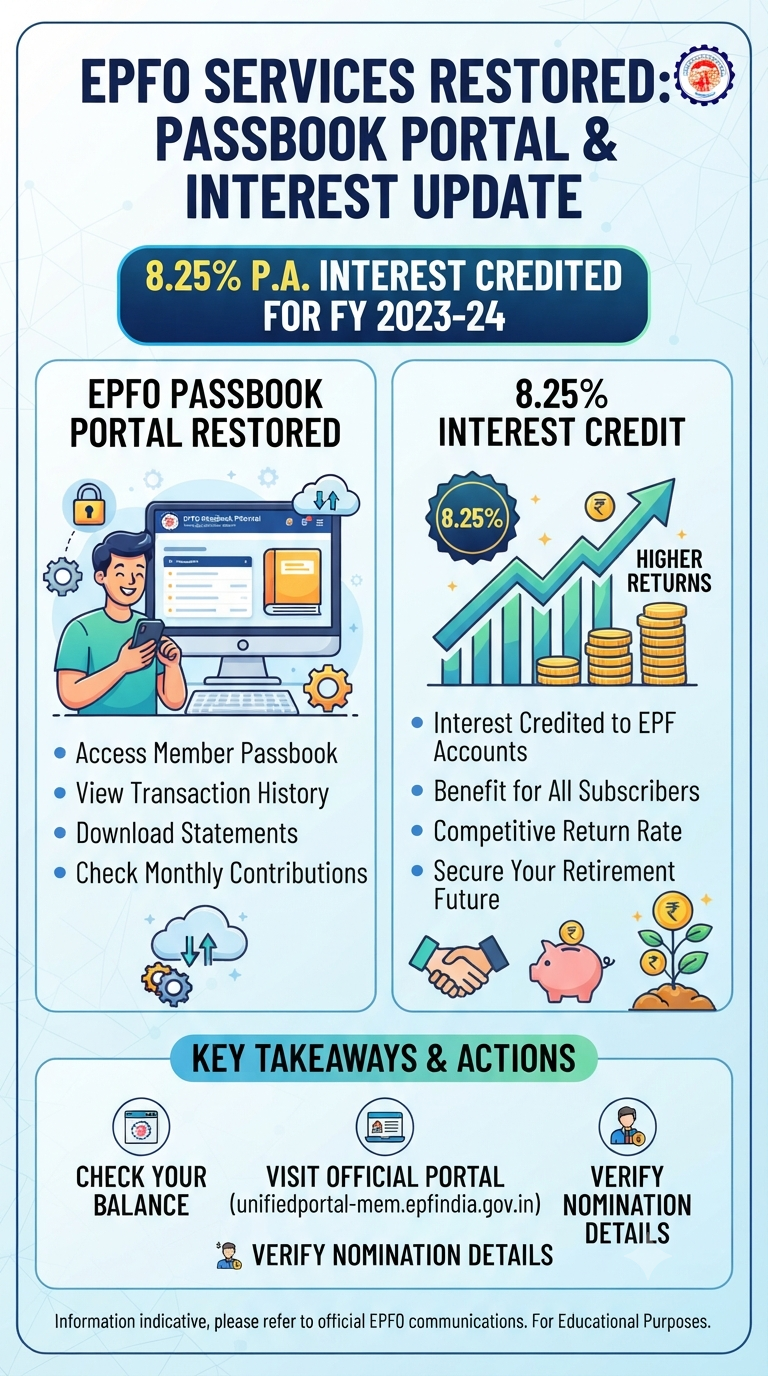
For millions of employees across India, the Employees’ Provident Fund (EPF) is more than just a mandatory deduction—it’s the bedrock of a secure retirement. So, when the EPFO passbook portal goes down for maintenance, it’s understandable that anxiety levels spike. After all, your passbook is the window into your financial future. The good news? The…
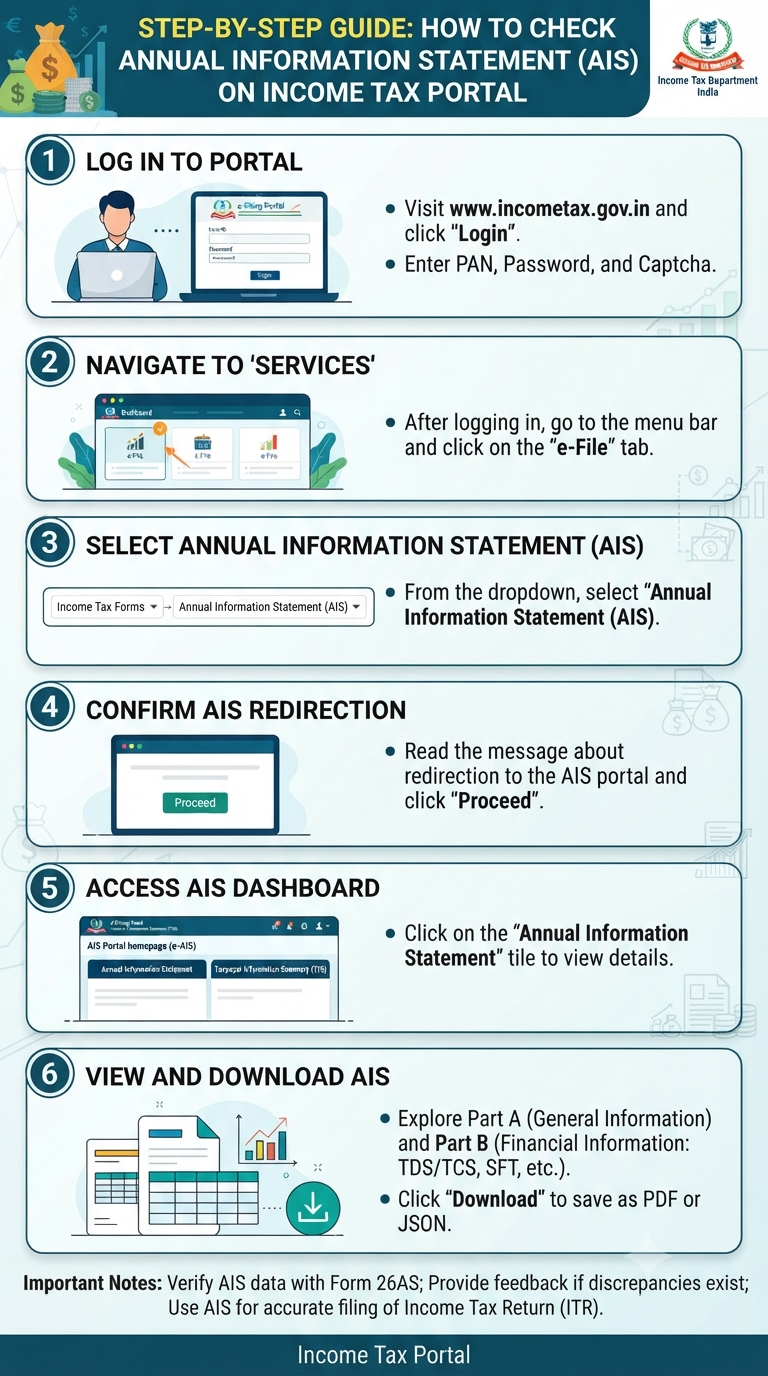
Filing your Income Tax Return (ITR) is one of those annual financial chores that often feels daunting. We scramble for Form 16s, look for investment proofs, and hope we haven’t missed anything. But what if there was a “cheat sheet” that held nearly all the information the Income Tax Department already has about your financial…
Continue Reading Why Your Annual Information Statement (AIS) is Your Best Friend Before Filing ITR
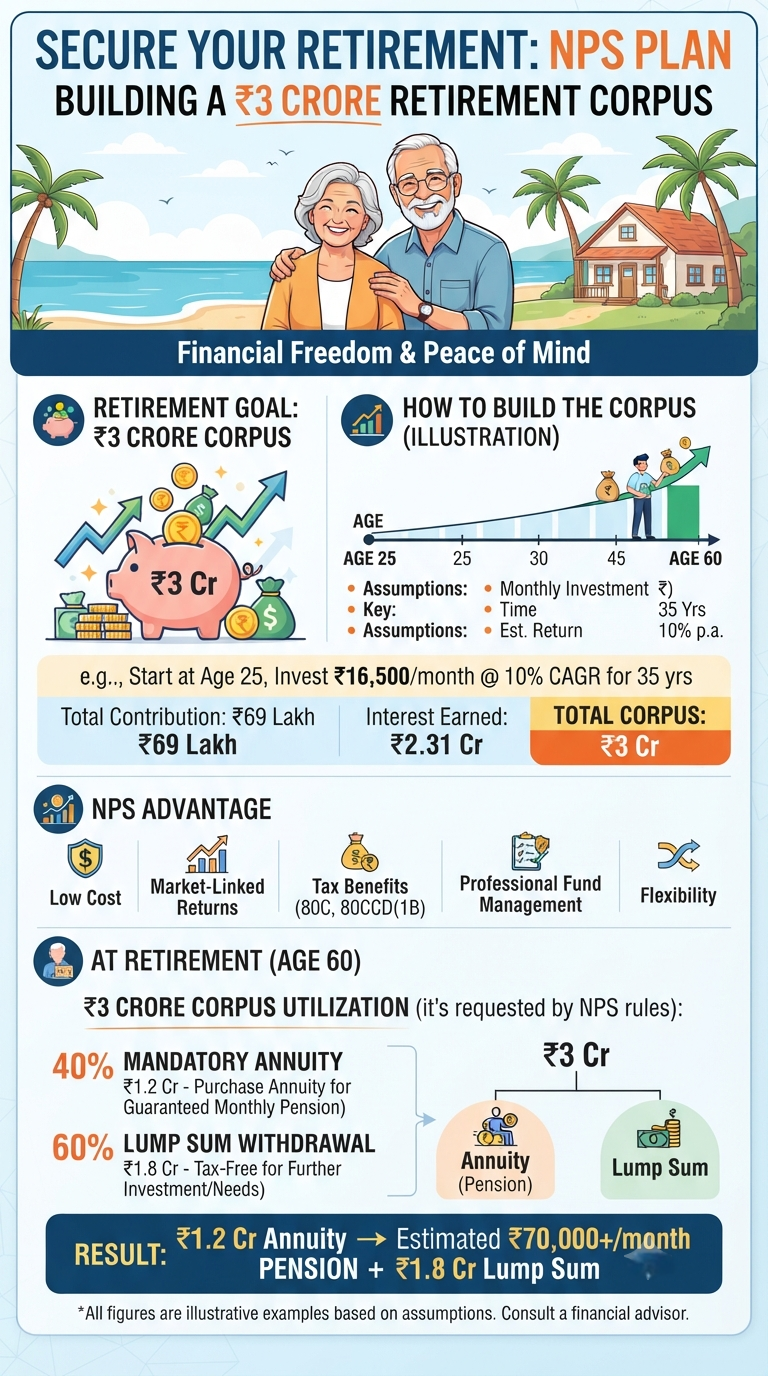
Retirement often feels like a distant milestone—something to worry about “later.” But what if you could visualize that “later” right now? Imagine hitting age 60 with a solid ₹3 crore corpus. It’s not just a number on a screen; it’s the key to your financial independence, the bridge to your passions, and the ultimate safety…
Continue Reading Retire Rich: How a ₹3 Crore Corpus Can Power Your Dream Life
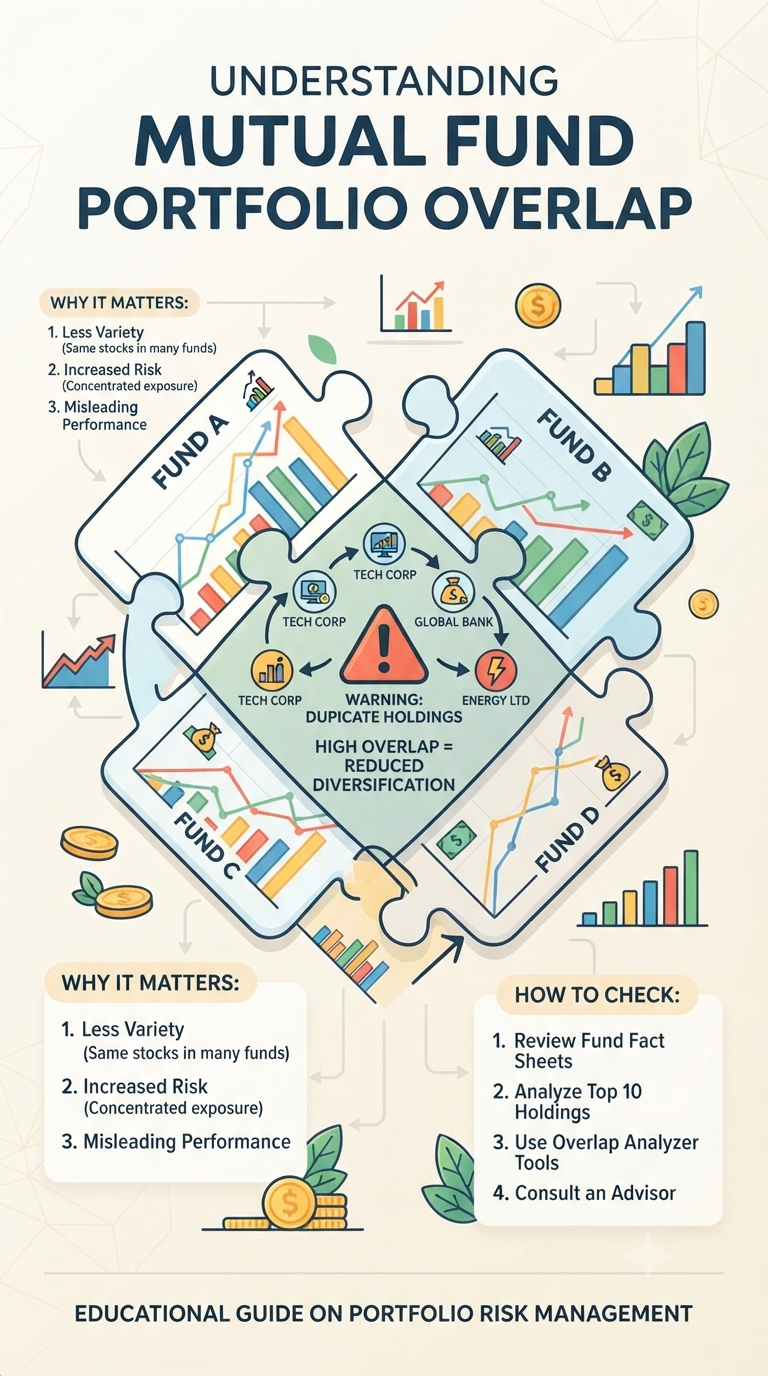
You’ve done your homework. You’ve read the financial news, listened to the podcasts, and decided it’s time to secure your financial future. To build a robust, resilient portfolio, you adopt a “more is merrier” strategy, buying into several different mutual funds to ensure you are diversified. But here is a hard truth that many investors…
Continue Reading The Illusion of Choice: Are You Trapped in the Mutual Fund Overlap Web?
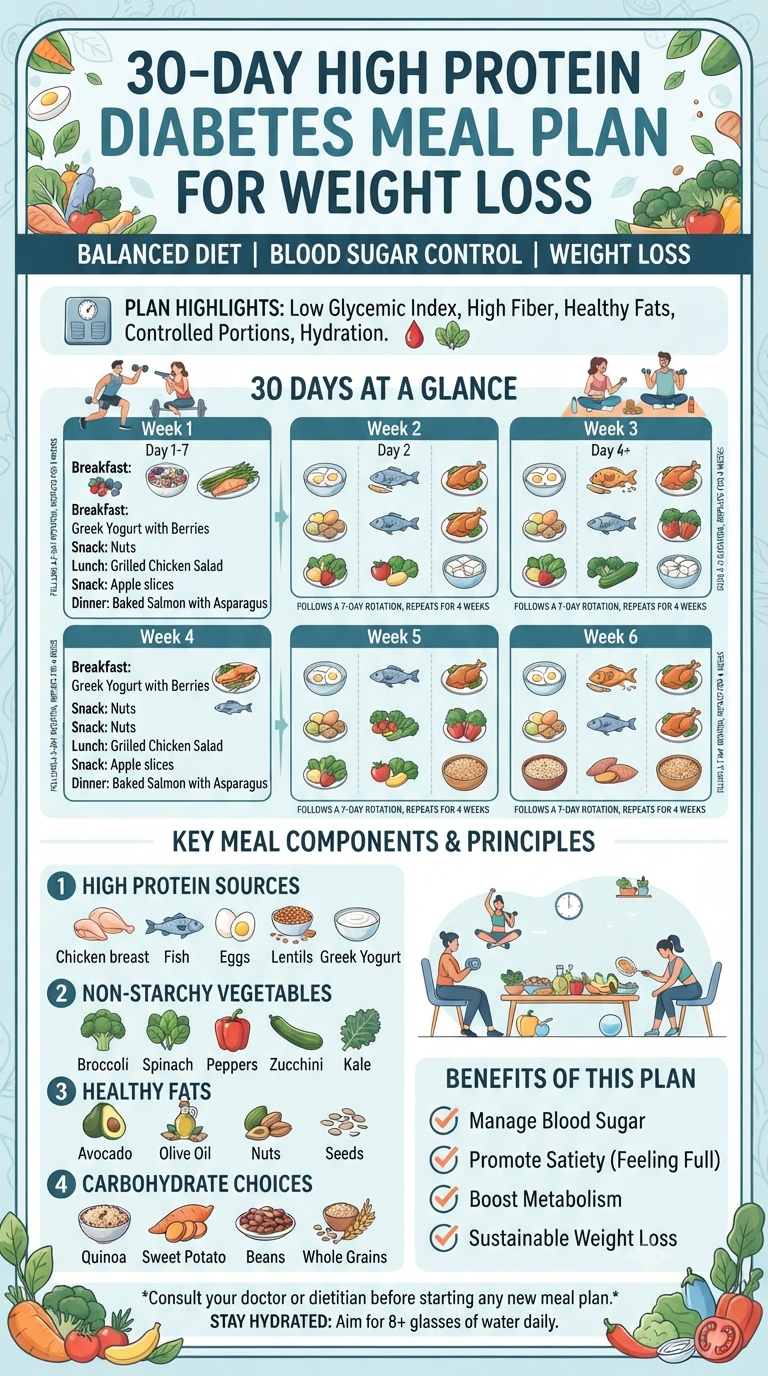
When it comes to health, we’re often bombarded with quick fixes and extreme restrictions. But what if the secret to managing blood sugar and achieving weight loss wasn’t about deprivation, but about intentional, high-protein nourishment? If you’ve been looking for a way to reset your habits without feeling constantly hungry, a high-protein, diabetes-friendly approach might…

Shreejith is the founder of InfographicStory.com, a hub for visual learning and data storytelling. Dedicated to simplifying complex ideas, he creates infographics that turn facts into insights. Have questions or collaboration ideas? Reach out to him at storyinfographic@gmail.com.