We’ve all been there: staring at an empty yogurt tub or a sturdy sauce container, wondering, “Should I really toss this?” It’s a tiny moment of environmental guilt, but what if you could turn that fleeting hesitation into a home improvement project?
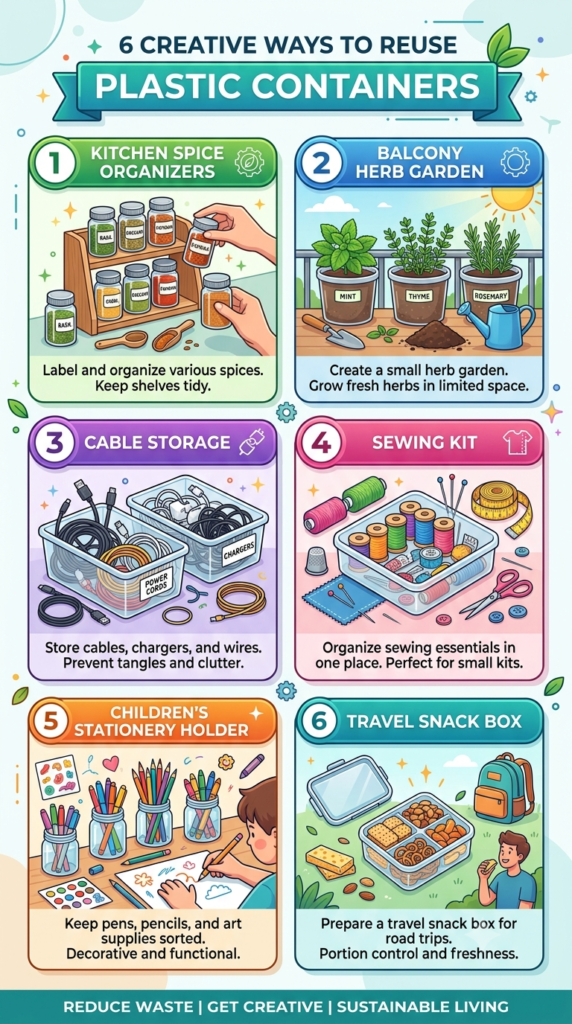
Instead of letting plastic clutter our landfills, we can give these “disposable” items a second life. Not only is it a win for the planet, but it’s also a massive win for your sanity. Here are six simple, stylish, and highly effective ways to turn those plastic containers into functional household organizers.
1. The Ultimate Kitchen Spice Savior
Kitchen shelves can turn into a chaotic mess of half-open packets and spilled spices in no time. Small, clear plastic containers are a game-changer here. Transfer your loose tea bags, cloves, cardamom, or dried chilies into them.
Pro-tip: Don’t forget to add a label! A few handwritten tags will instantly transform your pantry from “cluttered disaster” to “professional kitchen aesthetic,” making everything easy to find when you’re in the middle of cooking.
2. Grow Your Own “Balcony Bistro”
Who says you need a massive yard to grow your own food? Empty plastic containers are the perfect size for mini-planters. Whether it’s coriander, mint, or green chilies, these containers provide just enough space for your favorite herbs to thrive.
- The How-To: Poke a few drainage holes at the bottom, fill with some potting soil, and tuck them near a sunny windowsill or balcony. Fresh, organic herbs are now just a step away!
3. Taming the “Cable Monster”
If your junk drawer is a graveyard of tangled charging cables, mystery adapters, and dead batteries, you’re not alone. Plastic containers are the secret weapon against tech clutter. By grouping similar items (e.g., all USB cables in one box, batteries in another), you keep them dust-free, organized, and—most importantly—ready to use without the frustration of untangling wires.
4. The “Quick-Fix” Sewing & Repair Station
Ever had a button pop off right before a big meeting? Don’t let a missing needle or thread slow you down. Dedicate one plastic container to be your “Repair HQ.” Store your needles, thread spools, buttons, safety pins, and tiny screws inside. Having a designated home for these little life-savers means you’ll always be ready for those minor household emergencies.
5. Conquer the Stationery Chaos
If you have children, you know that crayons, markers, and pencils have a magical way of migrating to every corner of the house. Repurposing old containers as stationery holders is a fantastic way to keep the study table tidy. It makes it easier for kids to see their supplies and encourages them to put things back where they belong when they’re finished with their art projects.
6. The Perfect Travel Snack Companion
Why buy flimsy, single-use travel snack bags when you have something more durable at home? Clean, sturdy plastic containers are perfect for carrying snacks on train journeys, road trips, or even your daily commute. They’re lightweight, leak-resistant, and keep your food crisp and fresh until you’re ready to eat. Plus, you’re saving money and avoiding unnecessary waste!
The Bottom Line
Upcycling isn’t just about being thrifty; it’s about rethinking how we interact with the objects in our lives. Next time you finish a product, take a second look at the packaging. Is it a trash item, or is it your next home organization solution?
Turn Your AC Drip Into a Goldmine: 7 Smart Ways to Save Water at Home

Retirement often feels like a distant milestone—something to worry about “later.” But what if you could visualize that “later” right now? Imagine hitting age 60 with a solid ₹3 crore corpus. It’s not just a number on a screen; it’s the key to your financial independence, the bridge to your passions, and the ultimate safety…
Continue Reading Retire Rich: How a ₹3 Crore Corpus Can Power Your Dream Life
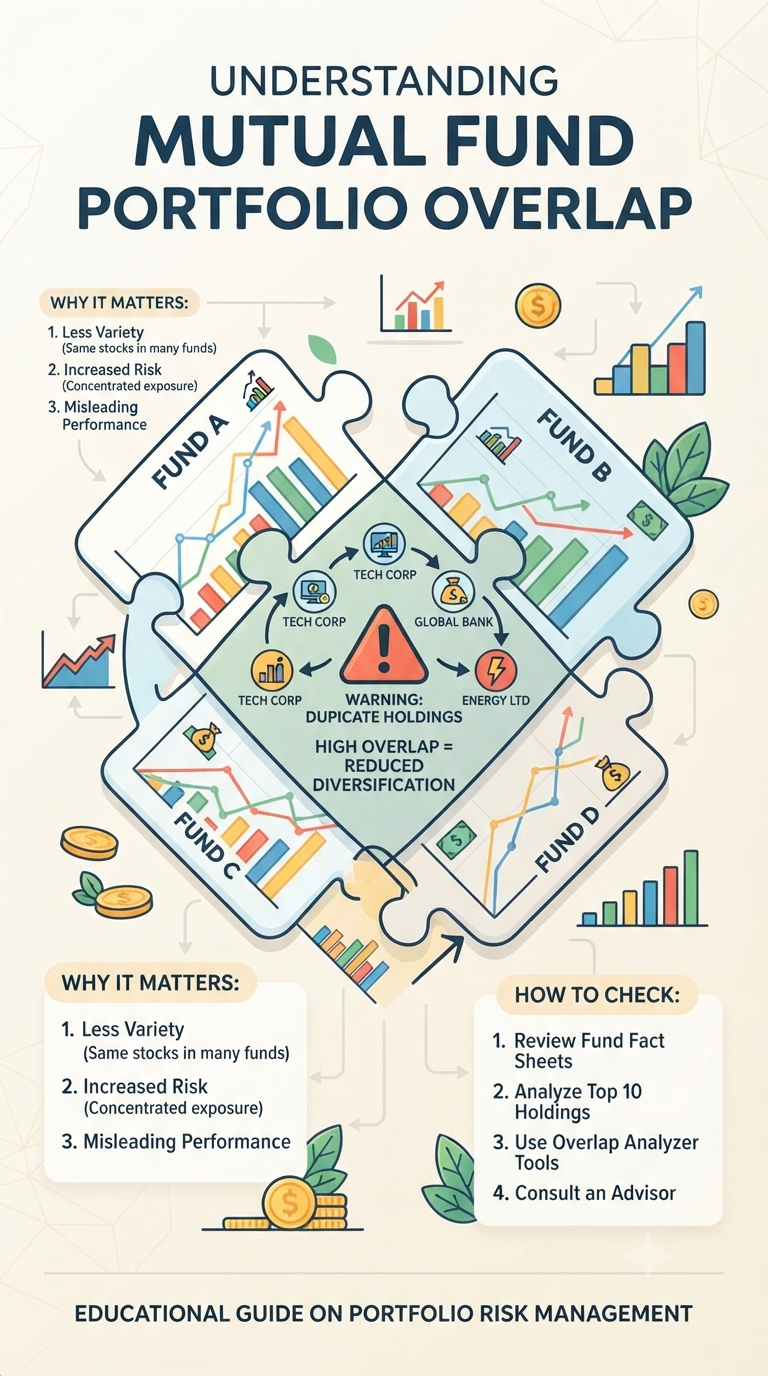
You’ve done your homework. You’ve read the financial news, listened to the podcasts, and decided it’s time to secure your financial future. To build a robust, resilient portfolio, you adopt a “more is merrier” strategy, buying into several different mutual funds to ensure you are diversified. But here is a hard truth that many investors…
Continue Reading The Illusion of Choice: Are You Trapped in the Mutual Fund Overlap Web?
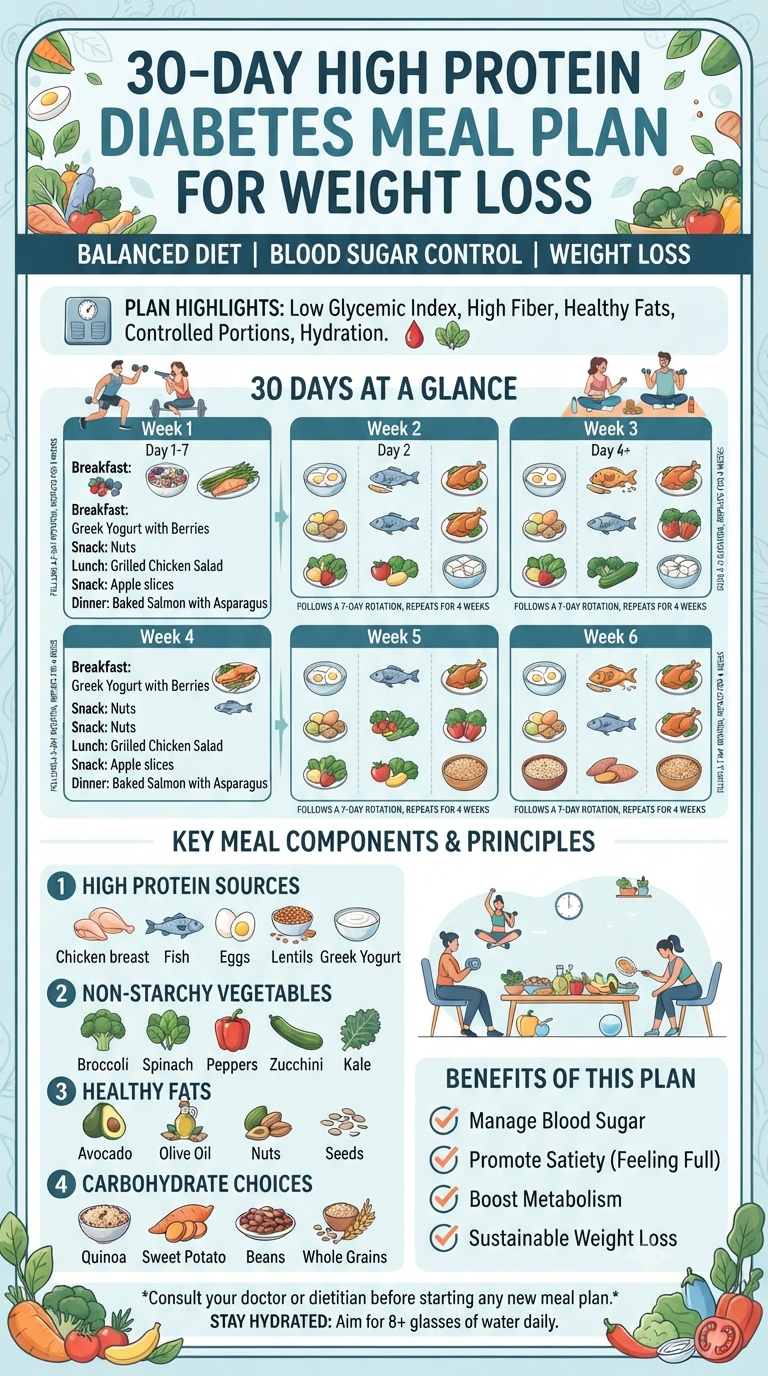
When it comes to health, we’re often bombarded with quick fixes and extreme restrictions. But what if the secret to managing blood sugar and achieving weight loss wasn’t about deprivation, but about intentional, high-protein nourishment? If you’ve been looking for a way to reset your habits without feeling constantly hungry, a high-protein, diabetes-friendly approach might…
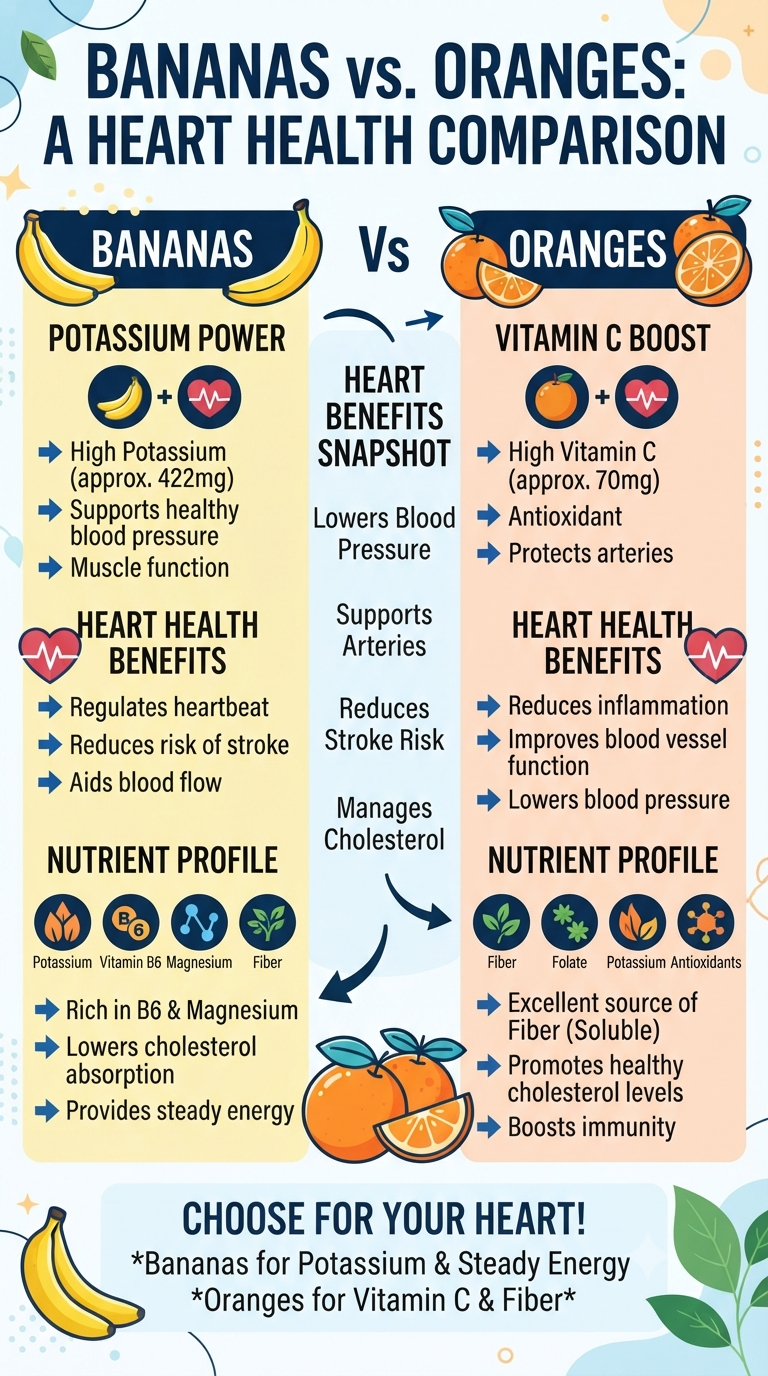
When you’re staring at the fruit bowl wondering which snack will do your heart the most good, it’s easy to feel torn. Do you reach for the convenient banana or the zesty, refreshing orange? Both are nutritional powerhouses, but they bring different strengths to your cardiovascular game. Let’s break down how these two favorites measure…
Continue Reading Heart-Healthy Snacking: The Battle of the Fruits
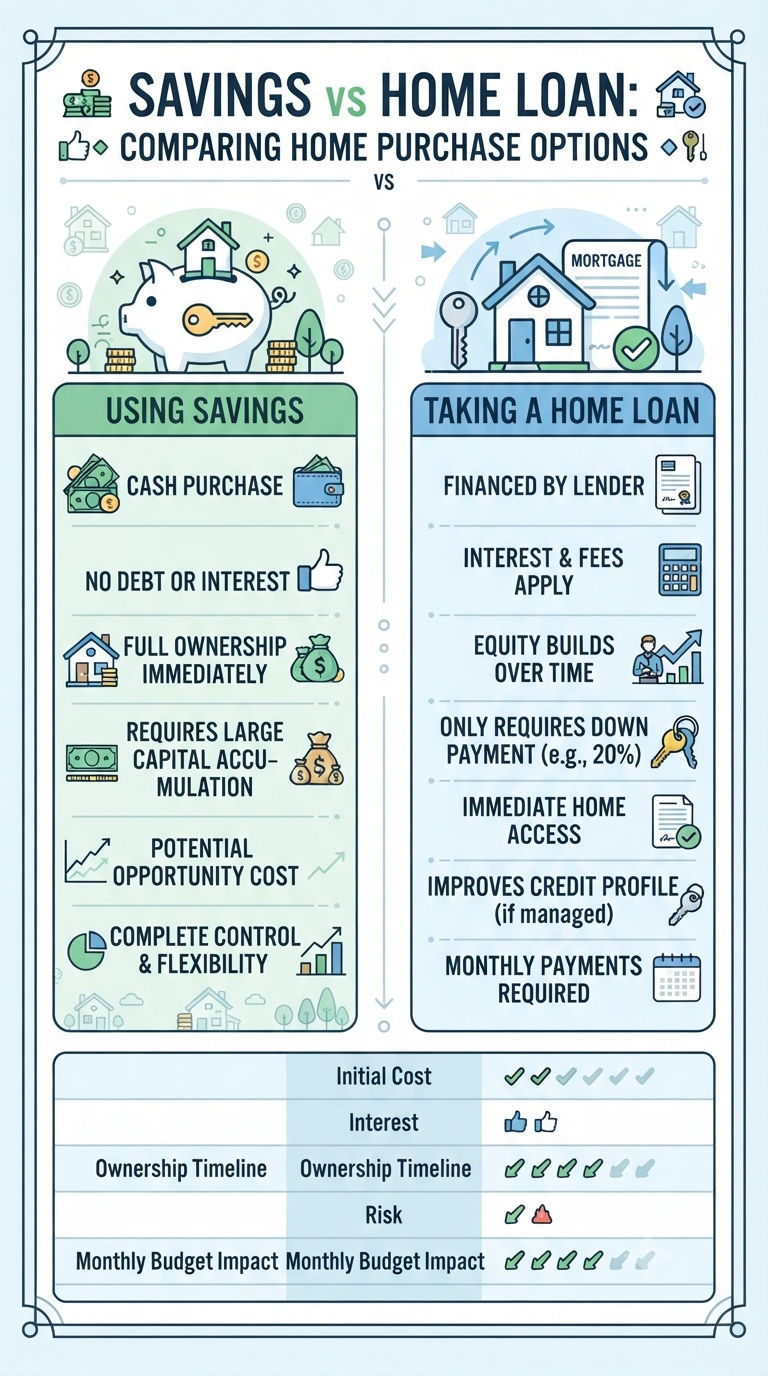
Buying a home is one of life’s biggest milestones. For most people, it’s not just a house—it’s a long-term investment in their future and a place to build a life. But with such a massive price tag, a fundamental question arises: Should I save up and pay cash, or should I take out a home…
Continue Reading The Ultimate Showdown: Is it Better to Buy Your Dream Home with Cash or a Mortgage?
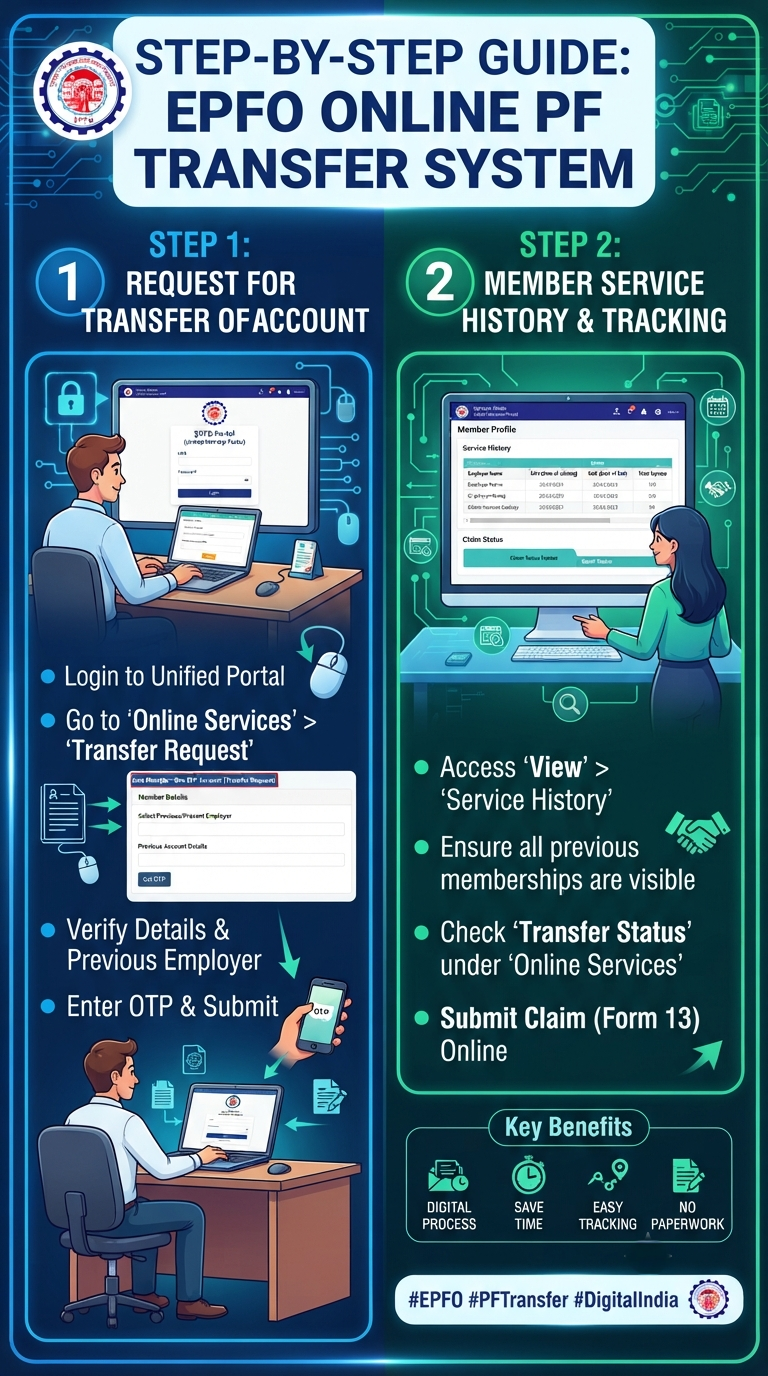
Let’s be honest: tracking down old Provident Fund (PF) accounts from past jobs feels like a chore no one wants to tackle. Between the mountain of forms, the fear of losing service history, and the sheer time it takes, many of us just leave our old accounts sitting idle. But what if you could clean…
Continue Reading Say Goodbye to Paperwork: How to Consolidate Your EPF Accounts Online

Shreejith is the founder of InfographicStory.com, a hub for visual learning and data storytelling. Dedicated to simplifying complex ideas, he creates infographics that turn facts into insights. Have questions or collaboration ideas? Reach out to him at storyinfographic@gmail.com.