Retirement is a milestone that marks the end of years of hard work, but for many private-sector employees, the transition can bring a sense of uncertainty regarding financial security. Unlike government roles with fixed pension schemes, private employees often wonder what their monthly income will look like once they step away from the workforce.
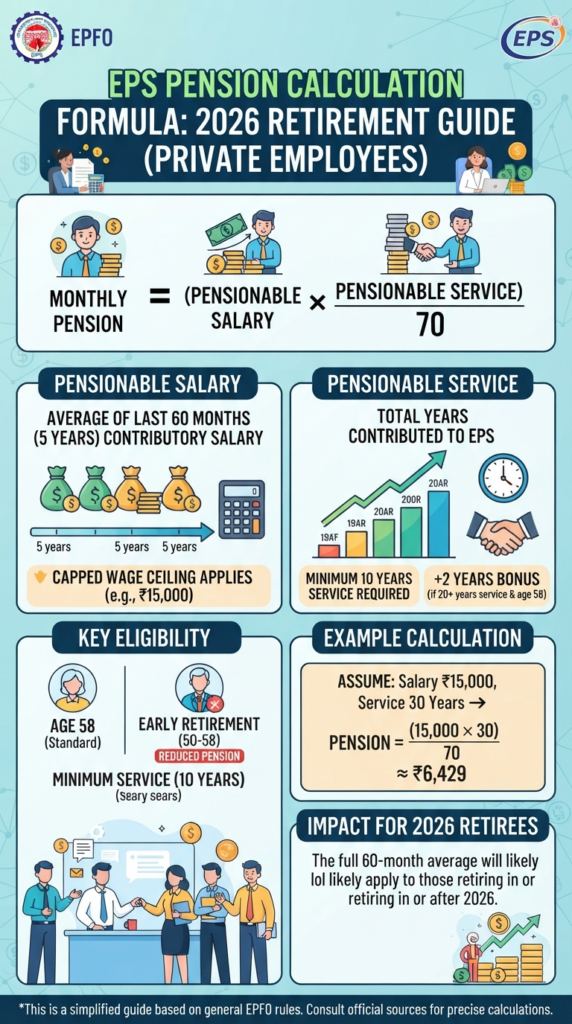
If you are an active member of the Employees’ Provident Fund Organisation (EPFO) and are planning to retire in 2026, you can take control of your financial planning by understanding the Employees’ Pension Scheme (EPS).
Understanding Your Pension: The Basics
Many believe that the PF amount is just a one-time lump sum received at retirement. However, there is a distinct mechanism in place for your monthly pension. A portion of your basic salary is contributed to your EPF, and a matching contribution from your employer is also allocated. A significant part of that employer’s contribution is diverted to your EPS account, which gradually accumulates to form your monthly pension.
The Core Formula
You don’t need to be a financial expert or visit a consultant to estimate your pension. The EPFO provides a straightforward formula to calculate it:
Monthly Pension = (Pensionable Salary × Pensionable Service) / 70
To use this formula effectively, keep these two factors in mind:
- Pensionable Salary: For calculation purposes, the maximum monthly wage limit is capped at ₹15,000, regardless of how high your actual basic salary may be.
- Pensionable Service: This refers to the total years you have actively contributed to the EPS.
Key Eligibility and Critical Considerations
To qualify for a pension, there are fundamental conditions you must meet:
- Minimum Service: You must have completed at least 10 years of “pensionable service”.
- Retirement Age: To receive the full pension amount without deductions, it is essential to reach the age of 58.
A Word of Caution on Early Retirement:
Timing your retirement is crucial. If you choose to start your pension before reaching the age of 58, you will face a significant reduction in your monthly amount. According to EPFO rules, for every year short of age 58, the total pension amount is reduced by 4%.
By understanding these rules now, you can better prepare for a financially secure 2026 and beyond. As shown in the infographic, keeping these variables in mind is the first step toward a stress-free retirement.
Disclaimer: This information is a simplified guide based on general EPFO rules. Please consult official EPFO sources or a professional financial advisor for calculations tailored to your specific service record.
The “Scrutiny” Scare: Understanding and Handling Your Section 143(2) Income Tax Notice
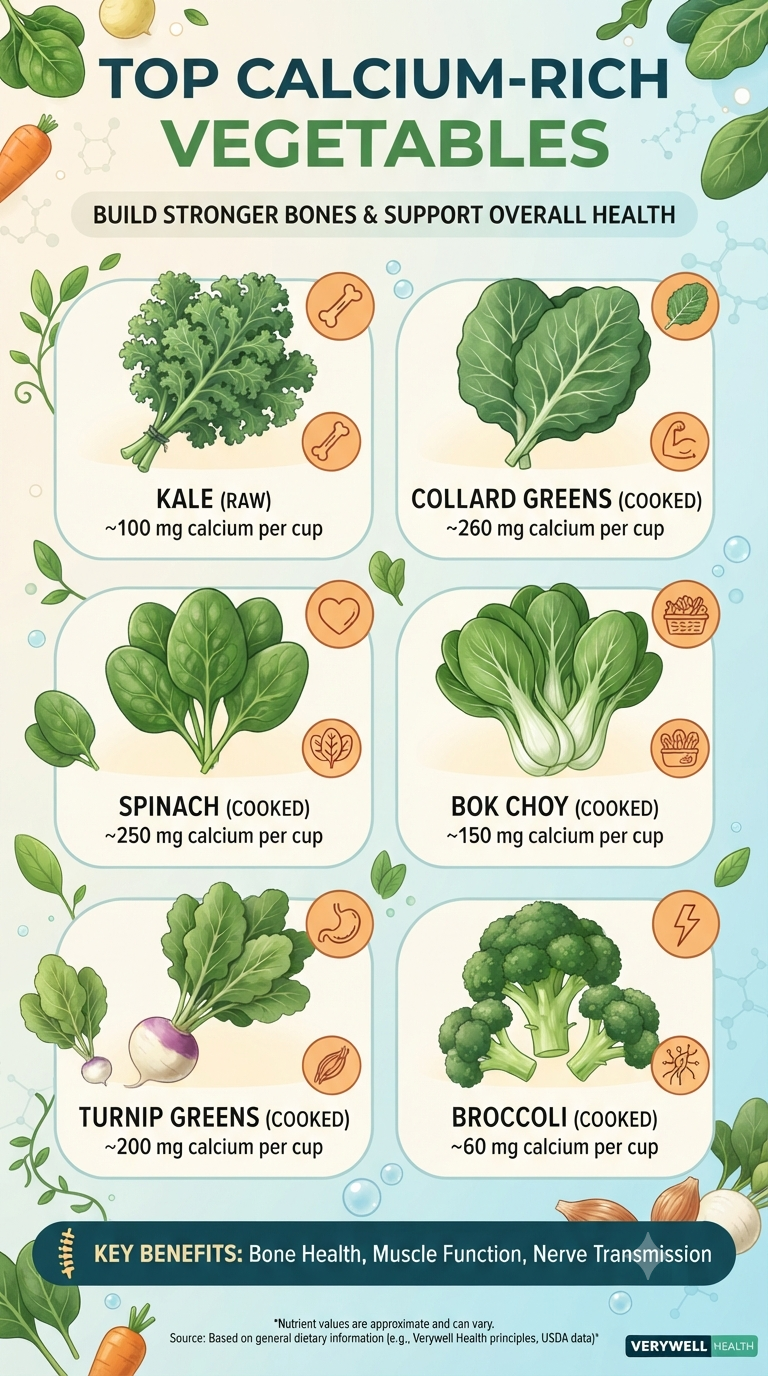
When we think of calcium, our minds often jump straight to a tall, frosty glass of milk or a wedge of cheddar. It’s the classic advice we’ve been given since childhood. But what if you aren’t a fan of dairy, or your body simply doesn’t agree with it? The good news is that you don’t…
Continue Reading Beyond Dairy: The Green Way to Stronger Bones
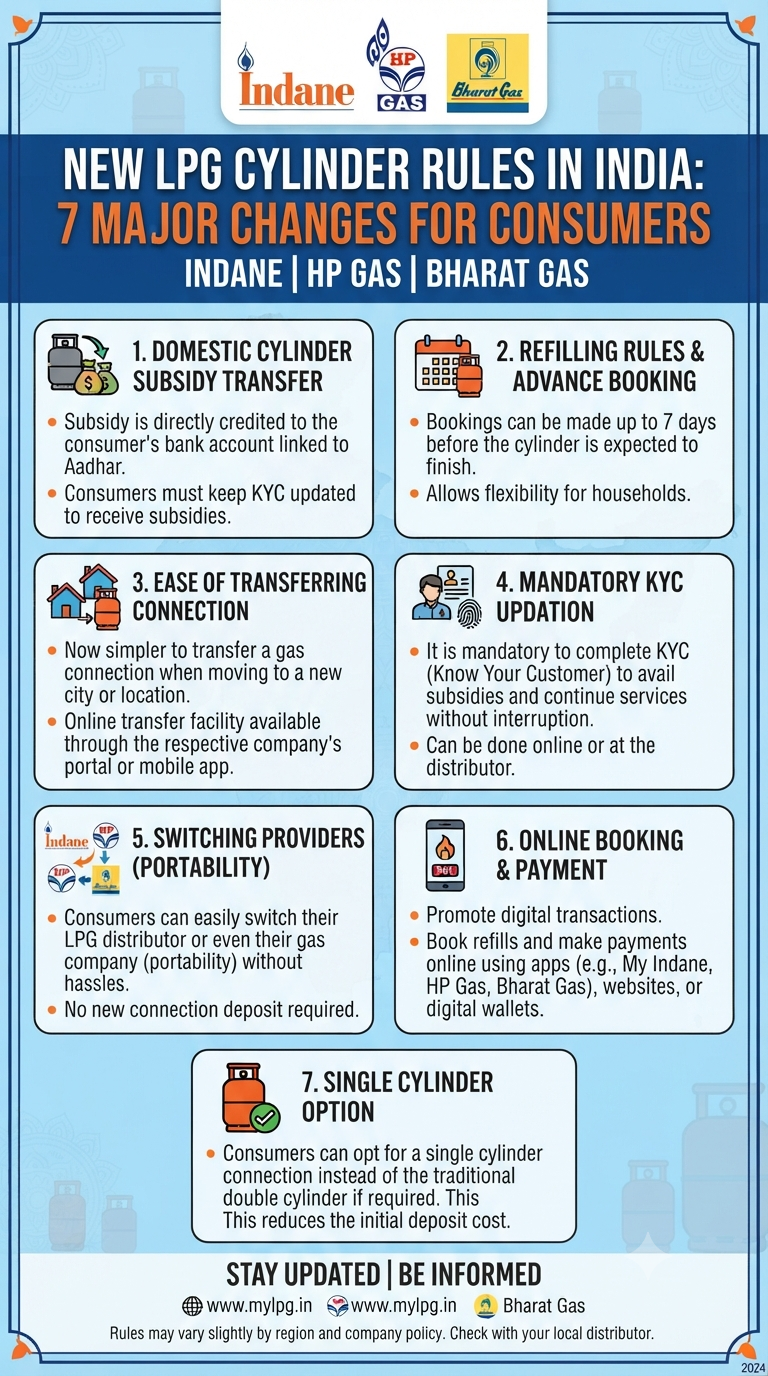
If you are a household consumer in India using Indane, HP Gas, or Bharat Gas, keeping up with changing policies can sometimes feel like a chore. However, staying informed is the best way to ensure you never face a disruption in your cooking gas supply or miss out on your hard-earned subsidies. Recent updates to…
Continue Reading New LPG Rules Simplified: 7 Major Changes You Need to Know

When we think of magnesium-rich foods, the humble banana often takes center stage. It’s convenient, affordable, and—let’s be honest—it’s been marketed as the go-to fruit for potassium and magnesium for decades. But did you know that your banana might actually be underperforming when it comes to your daily magnesium needs? Magnesium is an unsung hero…
Continue Reading Move Over, Banana: The Surprising Foods That Pack More Magnesium
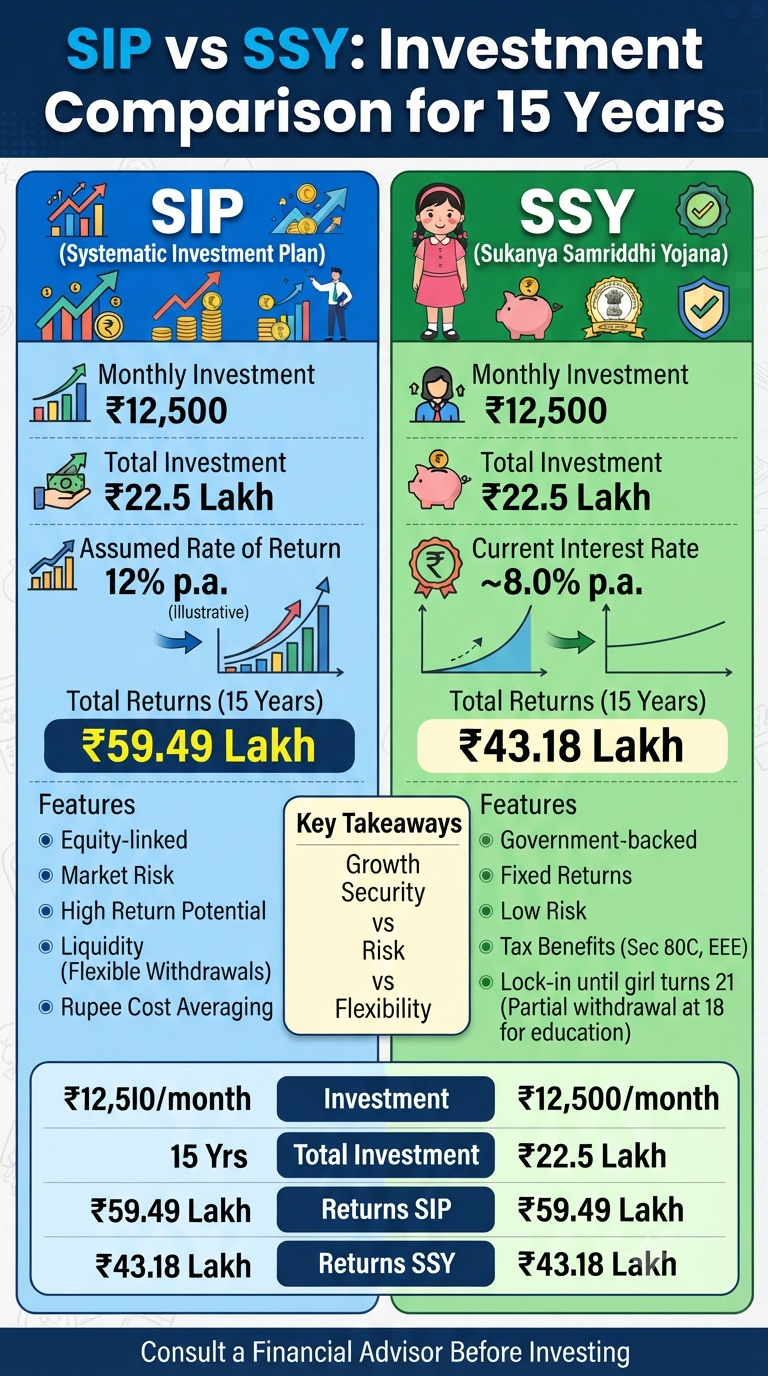
Investing for the future is crucial, and choosing the right investment avenue can make a significant difference in achieving your financial goals. Two popular options in India are the Systematic Investment Plan (SIP) and the Sukanya Samriddhi Yojana (SSY). Let’s delve into a detailed comparison to help you make an informed decision. SIP: Equity-linked and…
Continue Reading SIP vs. SSY: A Detailed Comparison for a Secure Financial Future
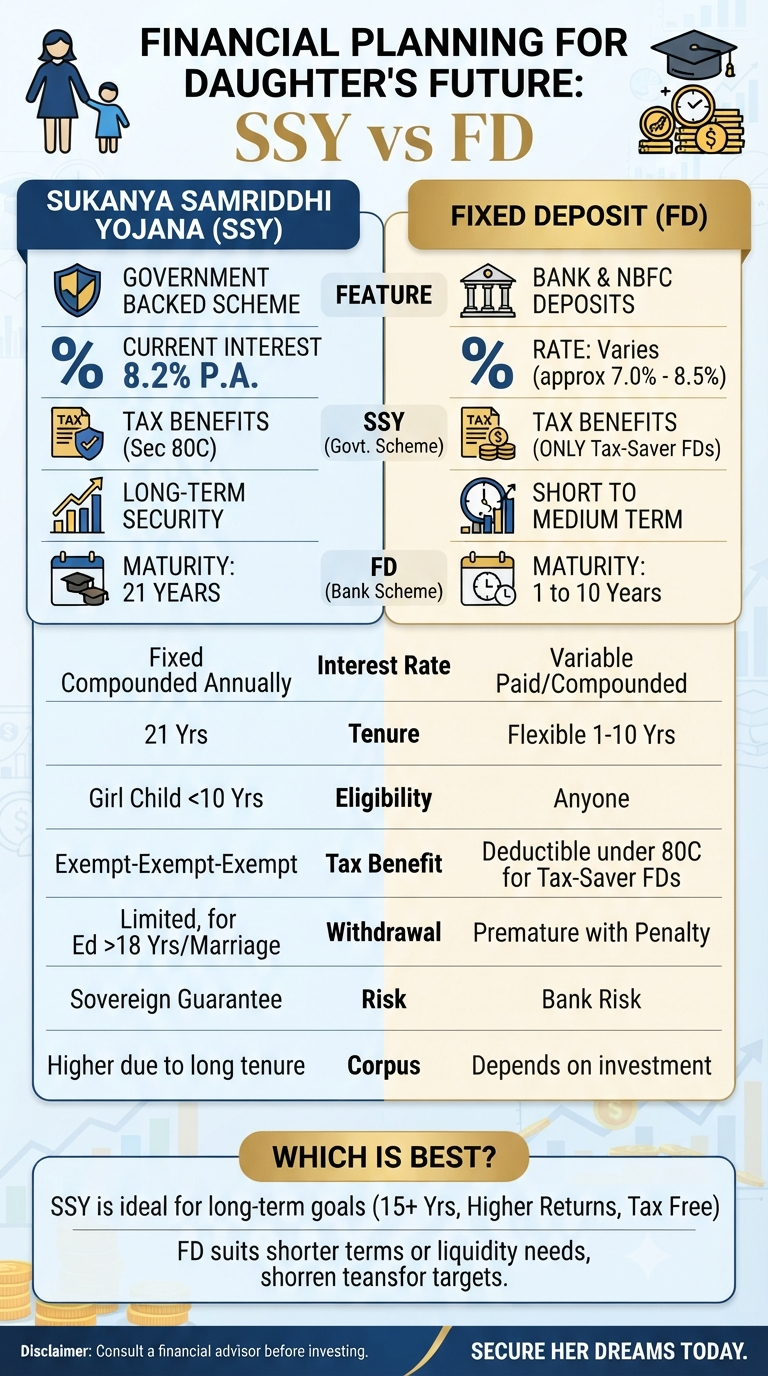
As parents, we are constantly looking ahead. We dream of our daughter’s college graduation, her first steps into a career, and perhaps her wedding day. But dreams, while priceless, require pragmatic financial planning to become reality. When it comes to securing a financial corpus for a girl child in India, two names inevitably pop up…
Continue Reading Secure Her Dreams: Decystifying the SSY vs. FD Battle for Your Daughter’s Future

We’ve all been there—staring at the bank balance, feeling the familiar squeeze of anxiety, and wondering when things will finally get easier. Often, we treat money problems purely as a logistical issue: we need more income, less debt, or a better budget. But what if the key to financial freedom isn’t just found in a…
Continue Reading From Scarcity to Abundance: 5 Daily Rituals to Unlock True Financial Prosperity

Shreejith is the founder of InfographicStory.com, a hub for visual learning and data storytelling. Dedicated to simplifying complex ideas, he creates infographics that turn facts into insights. Have questions or collaboration ideas? Reach out to him at storyinfographic@gmail.com.