When it comes to health, we’re often bombarded with quick fixes and extreme restrictions. But what if the secret to managing blood sugar and achieving weight loss wasn’t about deprivation, but about intentional, high-protein nourishment?
If you’ve been looking for a way to reset your habits without feeling constantly hungry, a high-protein, diabetes-friendly approach might be the game-changer you need. Let’s dive into why this way of eating works and how you can make it a sustainable part of your lifestyle.
The Power of Prioritizing Protein
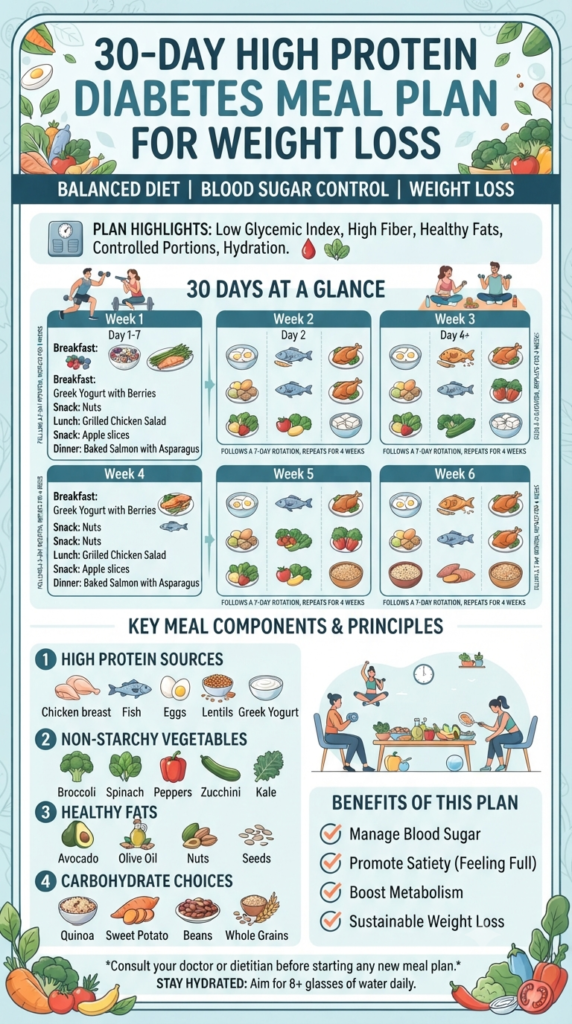
Why emphasize protein? It’s arguably the most important macro for satiety. When you prioritize lean protein sources—like grilled chicken, fresh fish, eggs, lentils, or creamy Greek yogurt—you’re doing two critical things:
- Managing Blood Sugar: Protein has a minimal impact on blood glucose levels compared to refined carbohydrates, helping to keep your energy levels steady throughout the day.
- Promoting Satiety: Protein takes longer to digest, keeping you fuller for longer and naturally curbing the urge to snack on processed foods.
Building Your Plate: The Core Principles
The goal isn’t to count every single calorie, but to focus on the quality of your fuel. Here is how to structure your meals for success:
1. Load Up on Non-Starchy Vegetables
Think of these as your plate fillers. Broccoli, spinach, peppers, zucchini, and kale are packed with fiber and nutrients while being low in calories. They add volume to your meals, ensuring you feel physically satisfied at every sitting.
2. Choose Smart Fats
Don’t fear fat; embrace the healthy kind! Incorporating avocado, olive oil, nuts, and seeds provides essential nutrients and helps keep your hormones balanced, all while adding a delicious depth to your meals.
3. Opt for Slow-Digesting Carbohydrates
Carbs aren’t the enemy, but the type matters. Swapping white bread or sugary snacks for quinoa, sweet potatoes, beans, and whole grains provides steady, slow-burning fuel for your body rather than the spike-and-crash cycle.
Putting It Into Practice: A 30-Day Perspective
Changing how you eat is a marathon, not a sprint. A 30-day plan is a fantastic way to build new muscle memory. By focusing on a structured rotation—like starting your day with Greek yogurt and berries, prepping grilled chicken salads, and finishing with baked salmon and asparagus—you remove the “decision fatigue” that often leads to unhealthy choices.
The Bottom Line: Listen to Your Body
The most sustainable diet is the one you can actually stick to long-term. This high-protein approach is designed to boost your metabolism, help you feel fuller, and support your weight loss goals—all while keeping your blood sugar in check.
A quick reminder before you start: Every body is different. Please consult with your doctor or a registered dietitian before making significant changes to your meal plan, especially if you are managing diabetes. They can help tailor these principles to your specific needs.
Ready to feel your best? Start by adding one high-protein, vegetable-rich meal to your day and see how much more energized you feel. Your journey to better health is just one meal away.
Disclaimer: This article is for informational purposes only and does not constitute medical advice. Always seek the advice of your physician or other qualified health provider with any questions you may have regarding a medical condition.
Heart-Healthy Snacking: The Battle of the Fruits
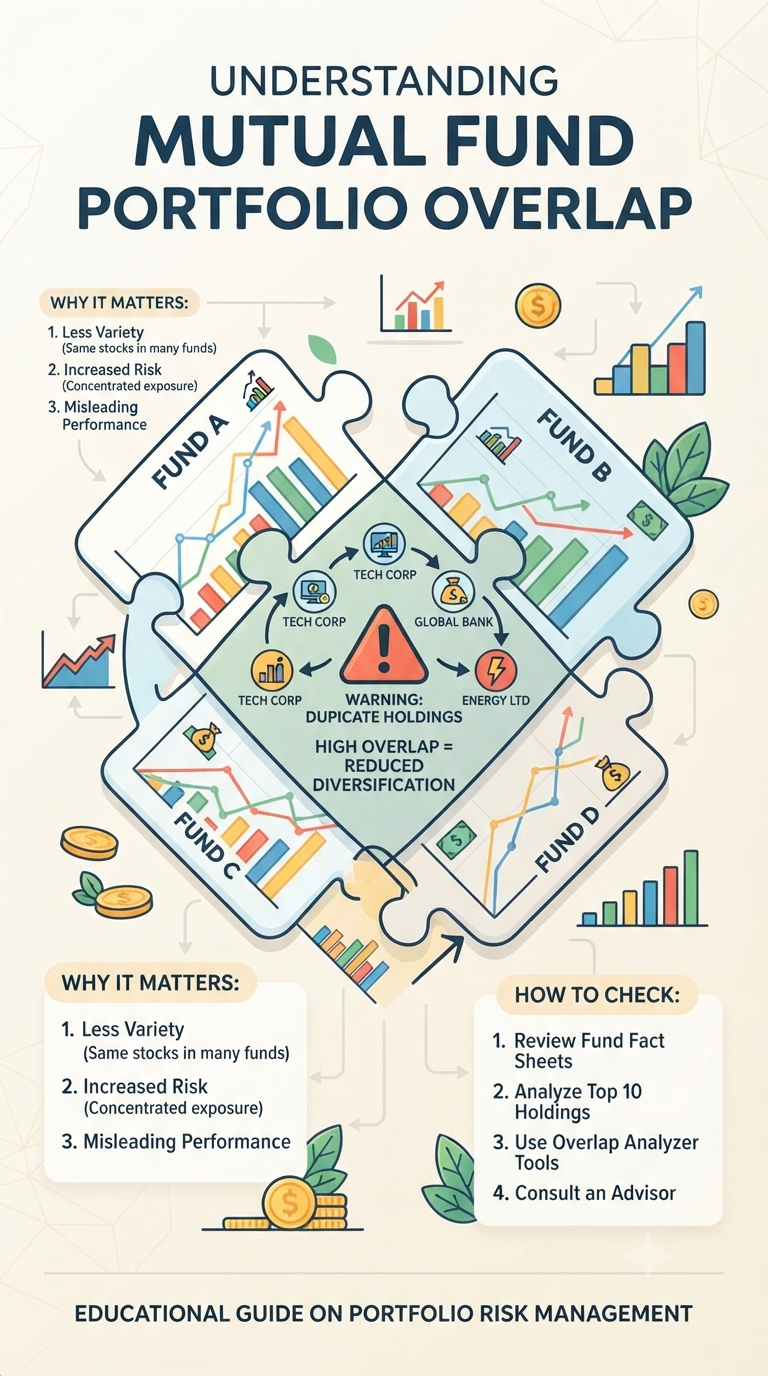
You’ve done your homework. You’ve read the financial news, listened to the podcasts, and decided it’s time to secure your financial future. To build a robust, resilient portfolio, you adopt a “more is merrier” strategy, buying into several different mutual funds to ensure you are diversified. But here is a hard truth that many investors…
Continue Reading The Illusion of Choice: Are You Trapped in the Mutual Fund Overlap Web?
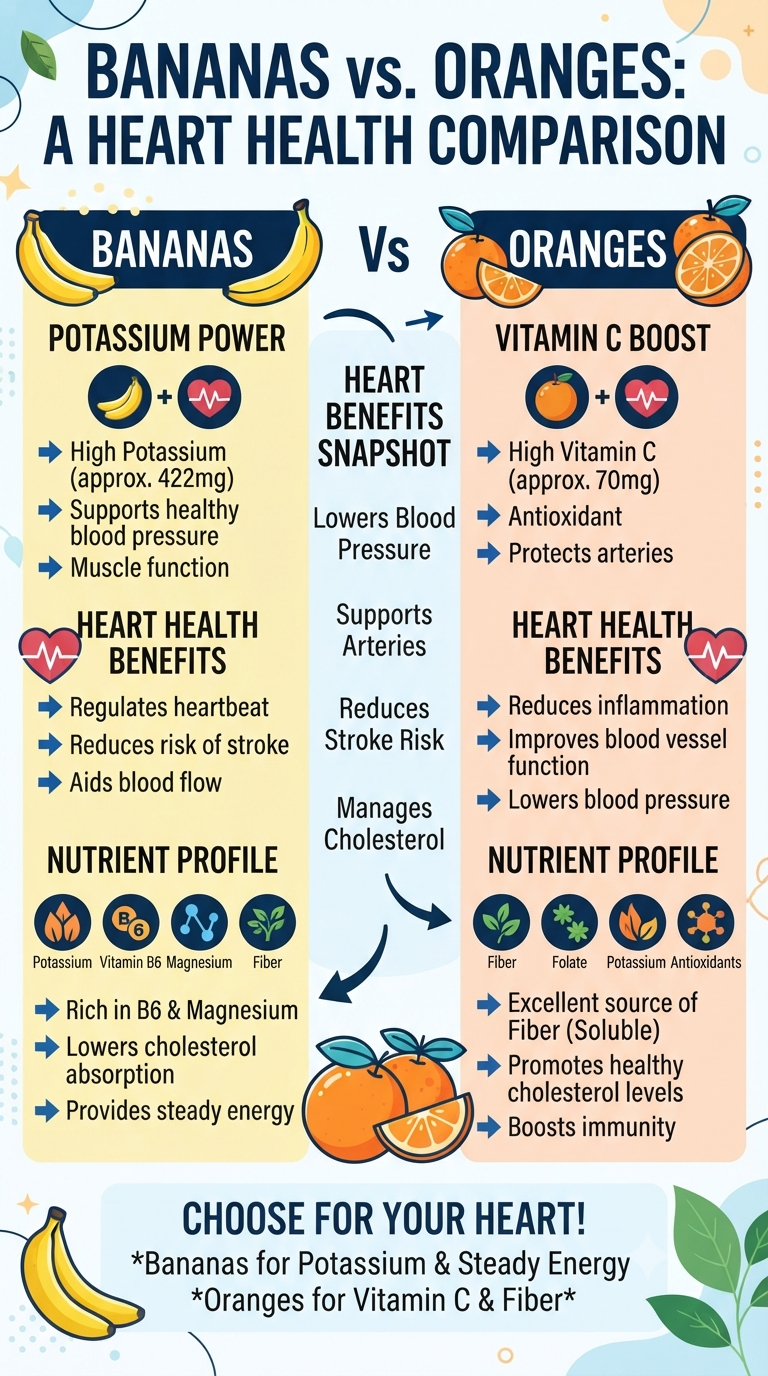
When you’re staring at the fruit bowl wondering which snack will do your heart the most good, it’s easy to feel torn. Do you reach for the convenient banana or the zesty, refreshing orange? Both are nutritional powerhouses, but they bring different strengths to your cardiovascular game. Let’s break down how these two favorites measure…
Continue Reading Heart-Healthy Snacking: The Battle of the Fruits
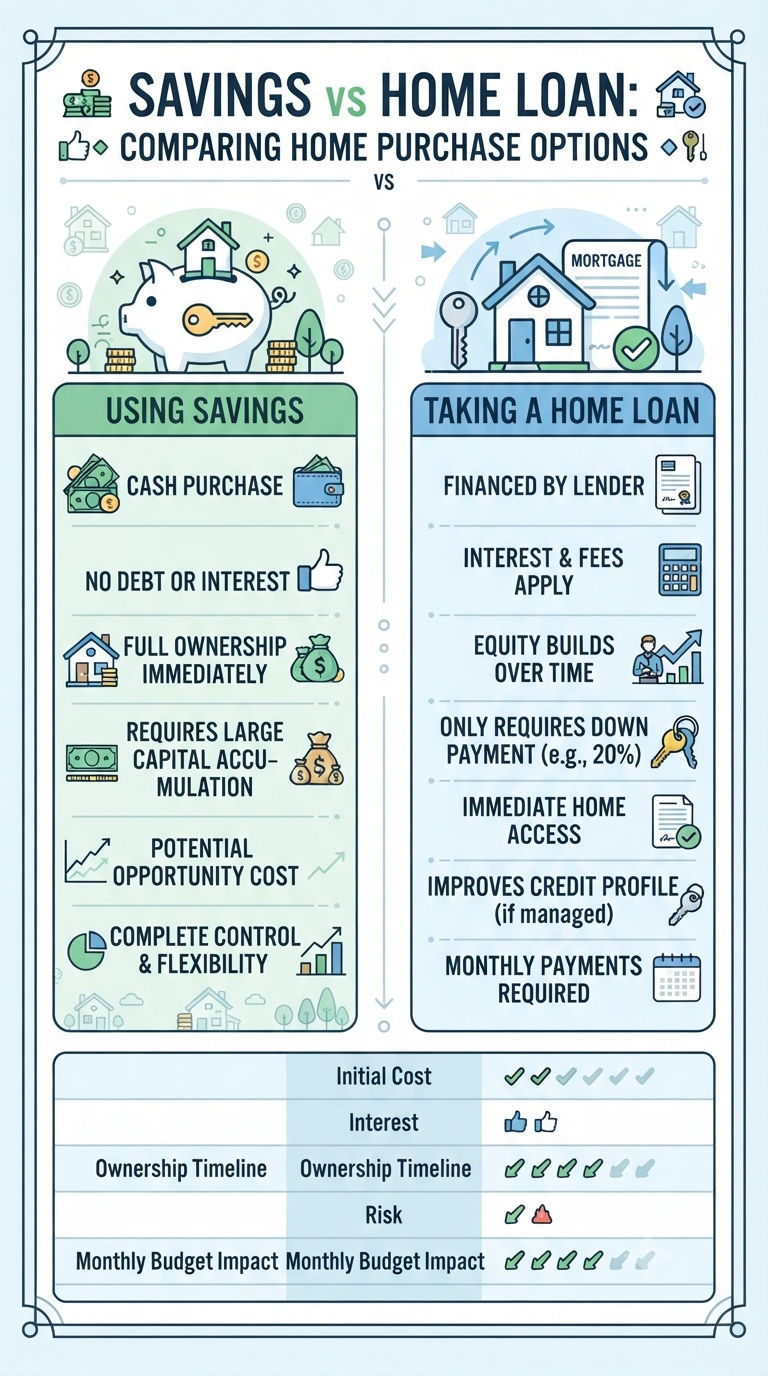
Buying a home is one of life’s biggest milestones. For most people, it’s not just a house—it’s a long-term investment in their future and a place to build a life. But with such a massive price tag, a fundamental question arises: Should I save up and pay cash, or should I take out a home…
Continue Reading The Ultimate Showdown: Is it Better to Buy Your Dream Home with Cash or a Mortgage?
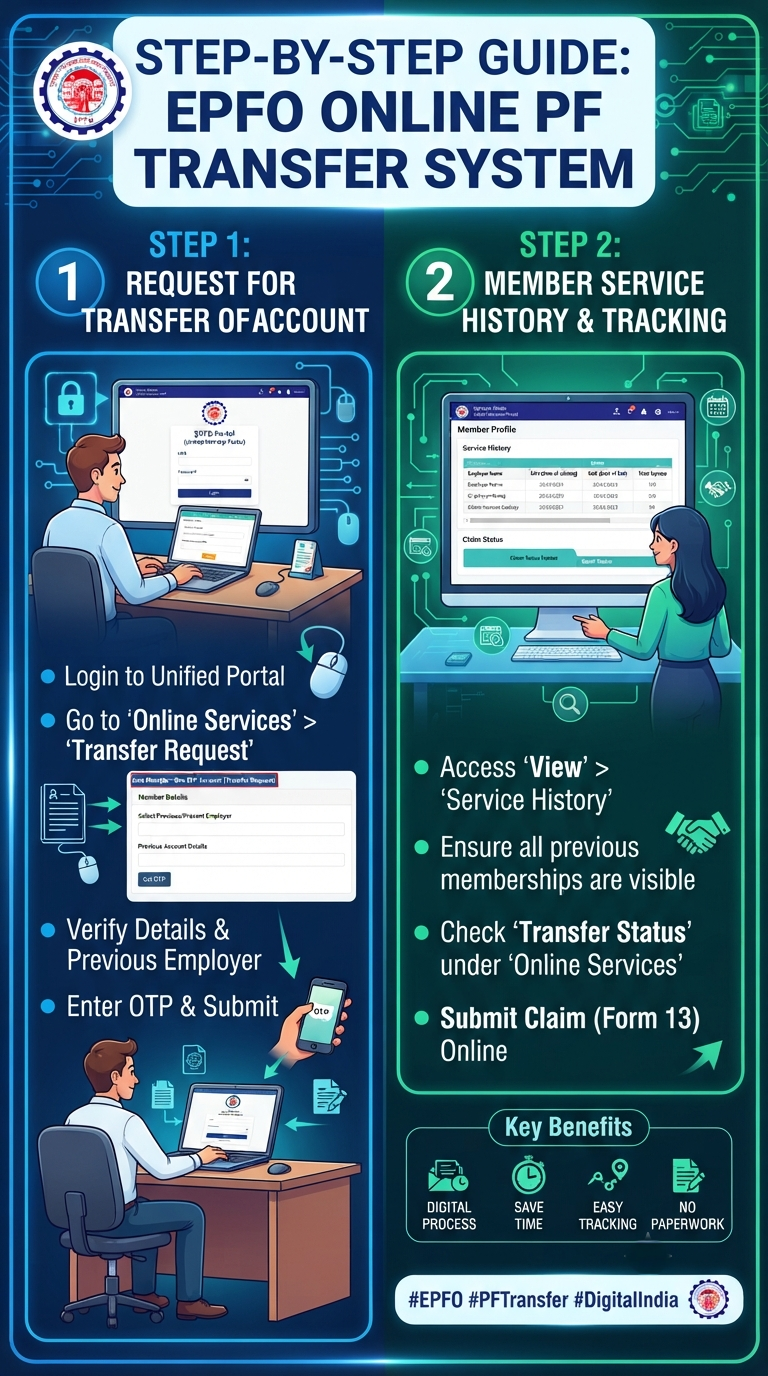
Let’s be honest: tracking down old Provident Fund (PF) accounts from past jobs feels like a chore no one wants to tackle. Between the mountain of forms, the fear of losing service history, and the sheer time it takes, many of us just leave our old accounts sitting idle. But what if you could clean…
Continue Reading Say Goodbye to Paperwork: How to Consolidate Your EPF Accounts Online
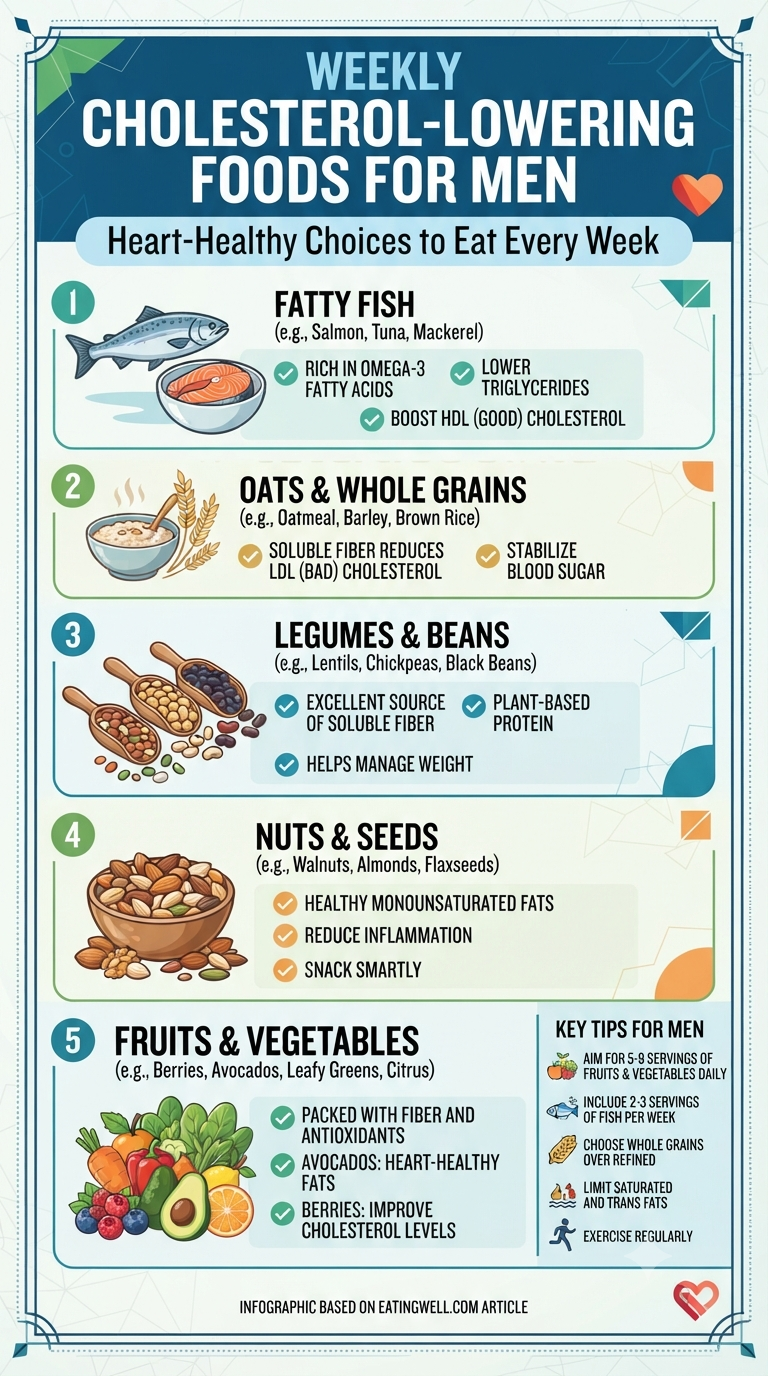
When it comes to longevity, men often focus on building muscle or increasing stamina, but there is a silent powerhouse that deserves just as much attention: your cholesterol levels. Managing cholesterol isn’t just about what you don’t eat—it’s about what you do add to your plate. If you’re looking for a simple, actionable way to…
Continue Reading Take Control of Your Heart Health: 5 Simple Foods to Add to Your Weekly Routine
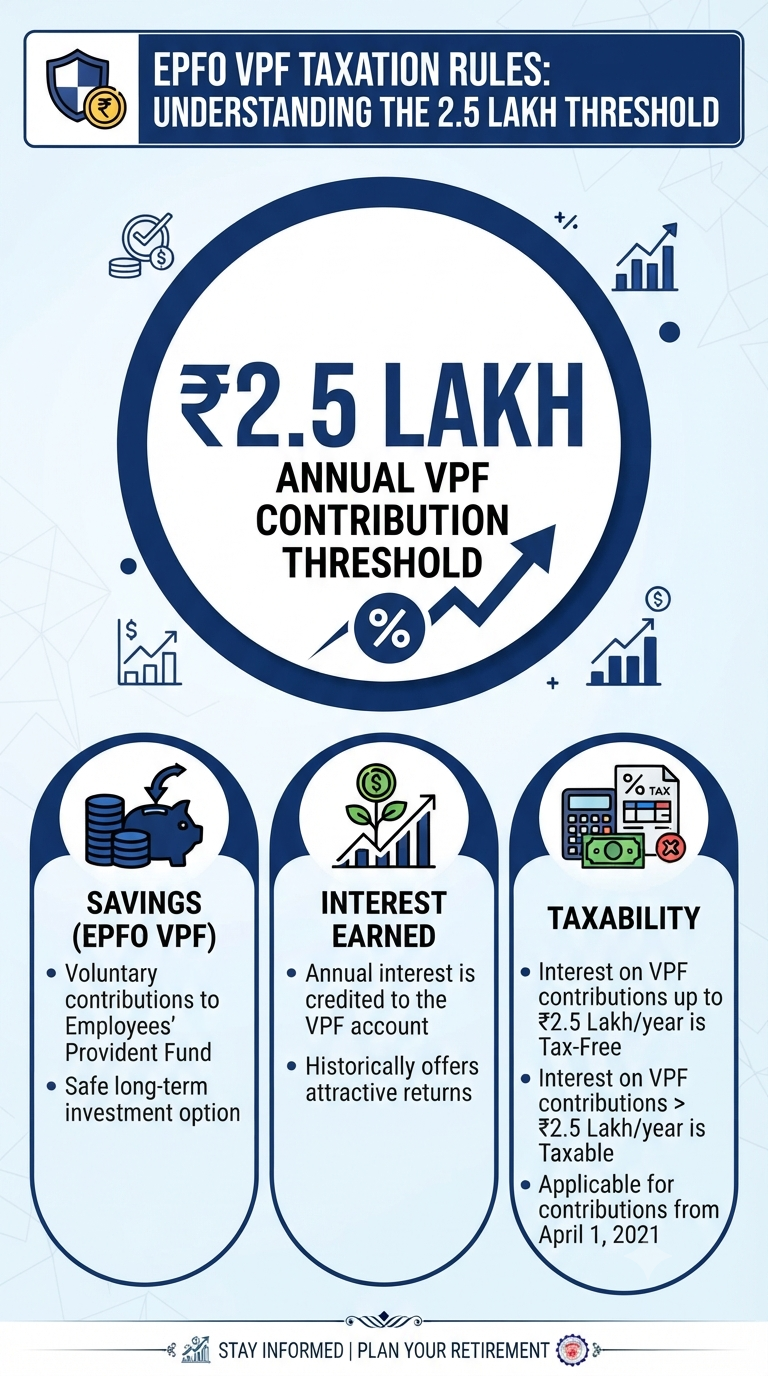
If you’ve been meticulously planning your retirement and using the Voluntary Provident Fund (VPF) as your go-to “set it and forget it” investment vehicle, you’re not alone. It’s a favorite for conservative investors who love the safety, the government backing, and those consistent returns that often outshine standard savings instruments. But, if you’ve been pumping…
Continue Reading Beyond the Threshold: Making Sense of the EPFO VPF Taxation Rule

Shreejith is the founder of InfographicStory.com, a hub for visual learning and data storytelling. Dedicated to simplifying complex ideas, he creates infographics that turn facts into insights. Have questions or collaboration ideas? Reach out to him at storyinfographic@gmail.com.