If you’ve recently opened your payslip with a sense of bewilderment, you aren’t alone. Between the buzz surrounding India’s new Labour Codes and the persistent questions about that mysterious ₹1,800 Provident Fund (PF) cap, the world of personal finance can feel like a labyrinth.
But what exactly is changing, and more importantly, what does it mean for your take-home pay? Let’s cut through the jargon.
The 50% Rule: What’s Actually Happening?
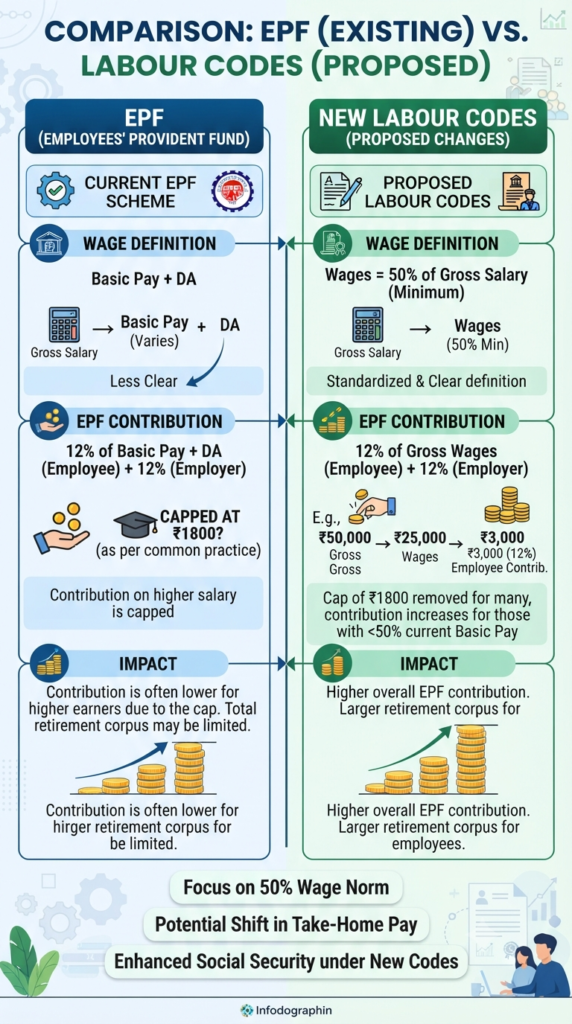
The headline-grabber in the new Labour Codes is the restructuring of wages. The new framework stipulates that basic pay—along with dearness and retaining allowances—must account for at least 50% of your total remuneration.
The intent here is transparency. For years, companies have used complex allowance structures to keep “basic pay” artificially low. By setting a 50% floor, the government is pushing for a more uniform and standardized salary structure across the board.
The ₹1,800 Cap: Fact vs. Fiction
This is where the confusion peaks. If your basic pay goes up to meet that 50% threshold, doesn’t that mean your mandatory PF deduction (which is 12% of basic pay) should skyrocket?
Not necessarily.
The EPF Scheme maintains a statutory wage ceiling of ₹15,000 per month. Consequently, the mandatory contribution remains capped at ₹1,800 per month (12% of ₹15,000).
In simple terms:
- The Labour Codes define how your salary is structured (the 50% rule).
- The EPF Rules define the mandatory minimums.
They operate independently. A higher basic salary mandated by the Labour Codes does not automatically force your compulsory PF deduction above ₹1,800. Unless you and your employer mutually agree to contribute more on a voluntary basis, your mandatory deduction remains anchored to that ceiling.
Why This Matters for You
For most employees, this cap acts as a crucial safeguard. It provides flexibility, allowing you to manage your monthly in-hand salary while still building your retirement nest egg.
If your company already limits mandatory PF to the statutory ceiling, the impact on your take-home pay will likely be minimal, even if your salary is restructured. However, if your employer currently contributes to PF based on your actual basic pay, a higher basic wage under the new codes could indeed lead to a higher deduction—and a lower in-hand salary.
The Bottom Line
The shift toward the new Labour Codes is less about a “PF hike” and more about structural honesty in how we are paid.
Ultimately, your retirement corpus is a balancing act between immediate take-home pay and long-term security. The ₹1,800 cap remains a fixed point in a changing landscape, leaving the decision to “supercharge” your savings through voluntary contributions firmly in the hands of you and your employer.
Disclaimer: This article is for informational purposes and summarizes key points from the provided source. Please consult with your HR department or a financial advisor to understand how your specific company’s payroll design complies with these evolving regulations.
Eat Your Way to a Healthier Heart: A Simple Guide to Lowering Cholesterol
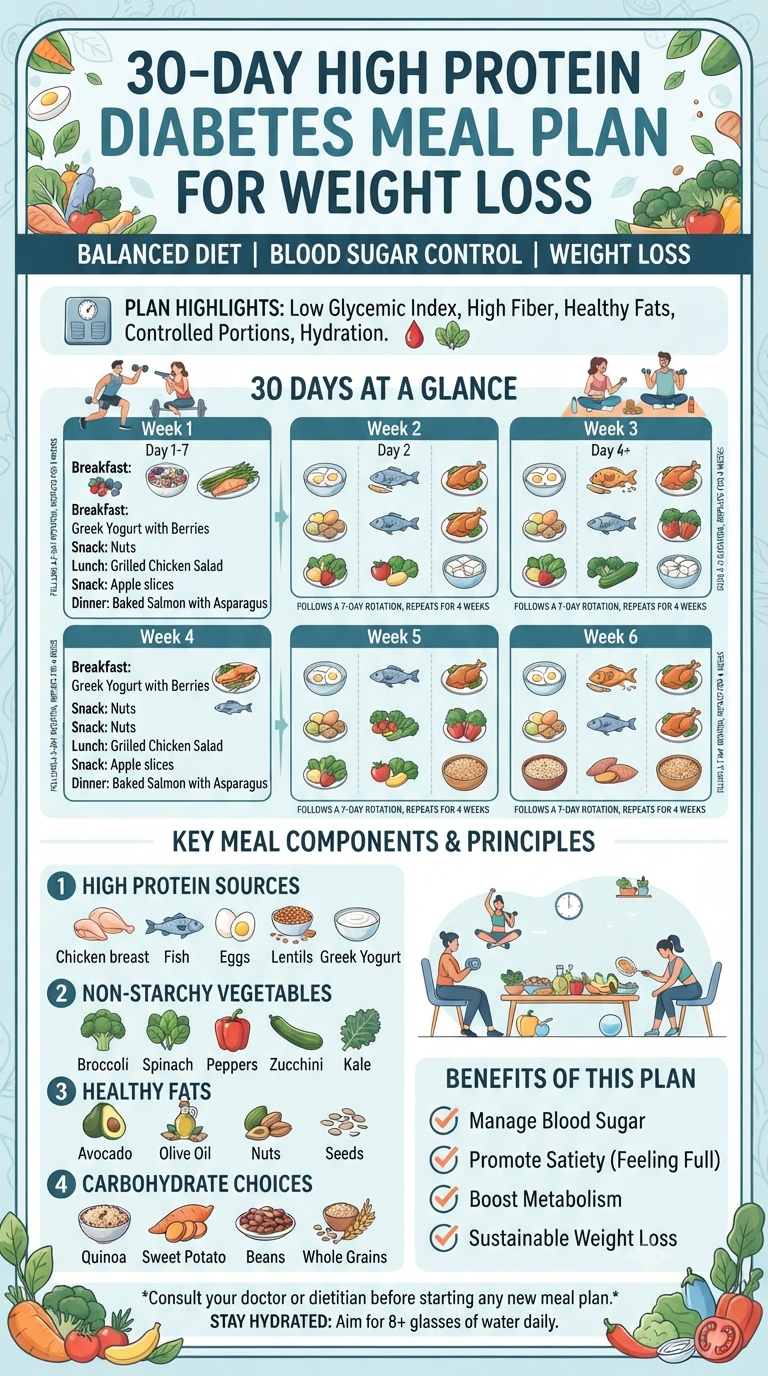
When it comes to health, we’re often bombarded with quick fixes and extreme restrictions. But what if the secret to managing blood sugar and achieving weight loss wasn’t about deprivation, but about intentional, high-protein nourishment? If you’ve been looking for a way to reset your habits without feeling constantly hungry, a high-protein, diabetes-friendly approach might…
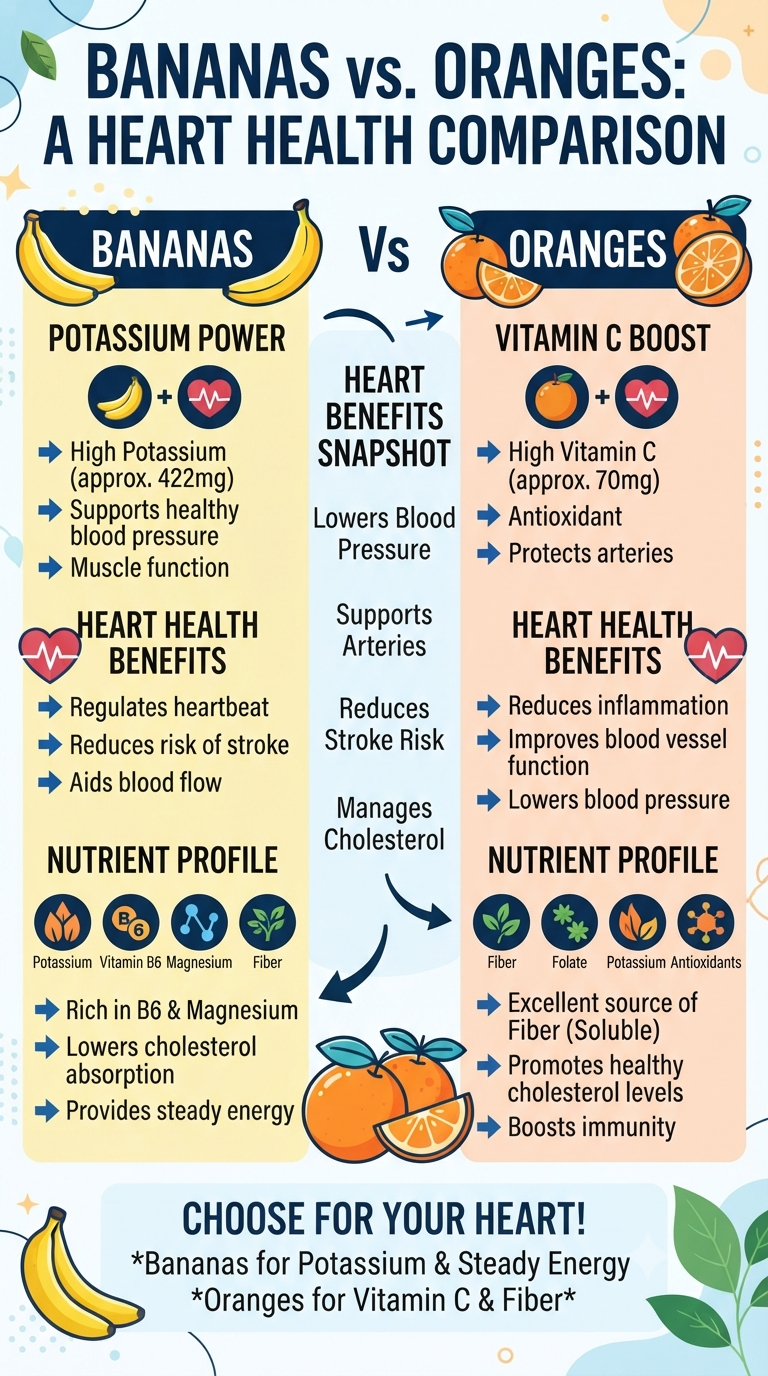
When you’re staring at the fruit bowl wondering which snack will do your heart the most good, it’s easy to feel torn. Do you reach for the convenient banana or the zesty, refreshing orange? Both are nutritional powerhouses, but they bring different strengths to your cardiovascular game. Let’s break down how these two favorites measure…
Continue Reading Heart-Healthy Snacking: The Battle of the Fruits
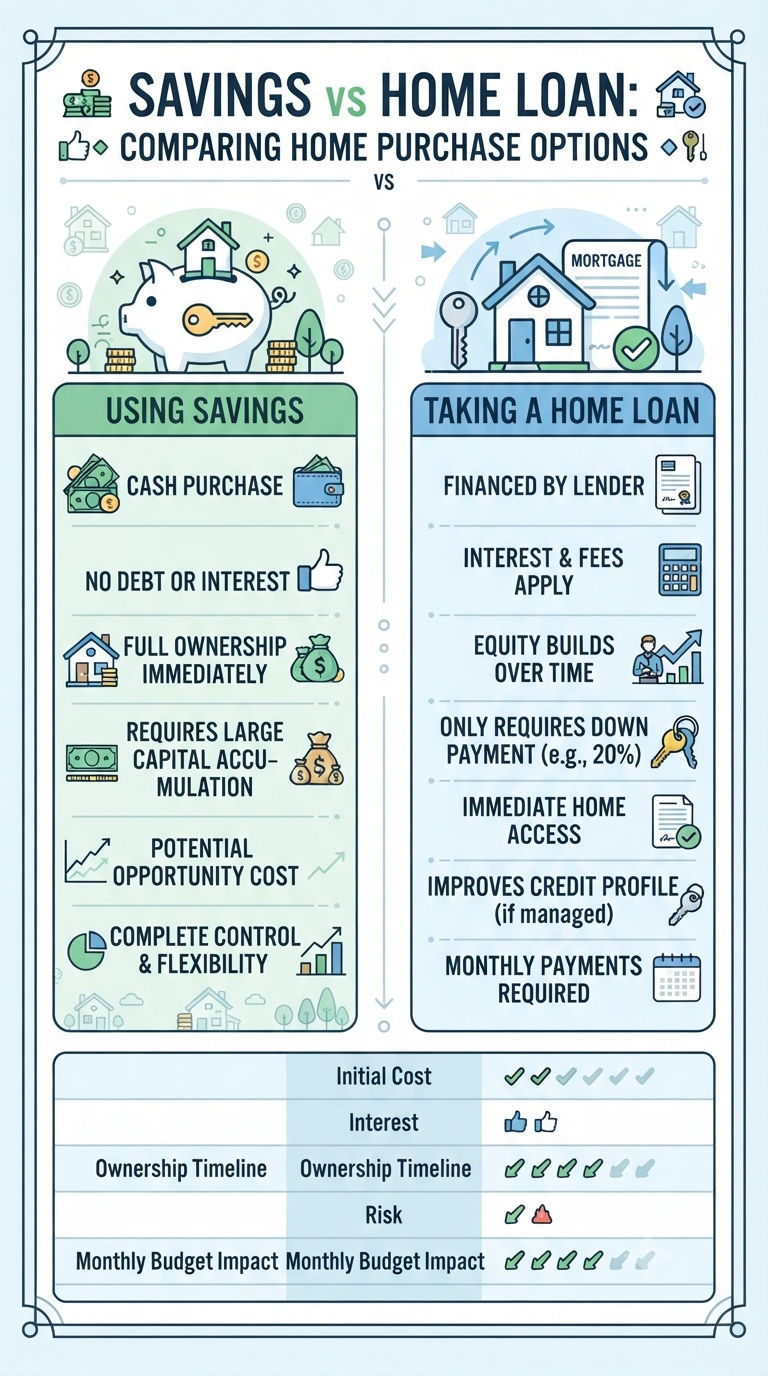
Buying a home is one of life’s biggest milestones. For most people, it’s not just a house—it’s a long-term investment in their future and a place to build a life. But with such a massive price tag, a fundamental question arises: Should I save up and pay cash, or should I take out a home…
Continue Reading The Ultimate Showdown: Is it Better to Buy Your Dream Home with Cash or a Mortgage?
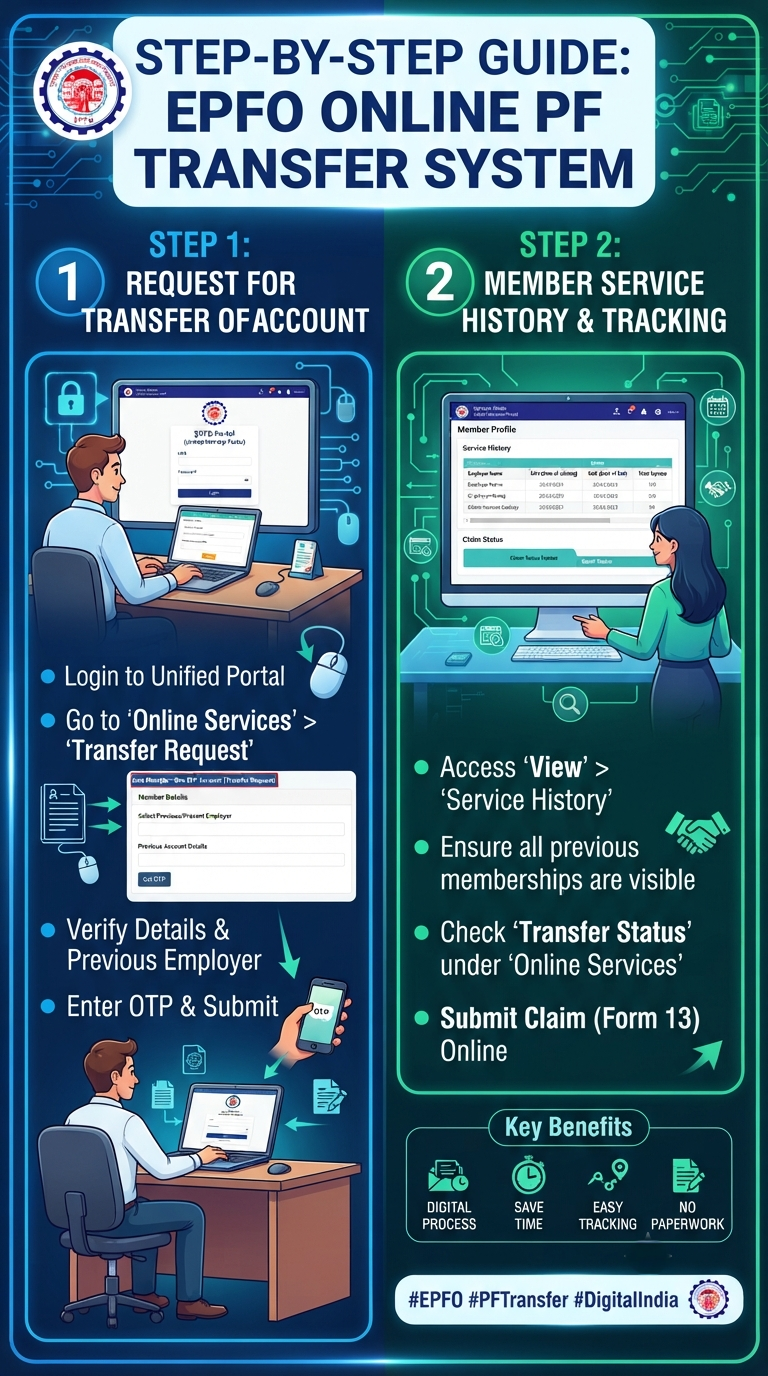
Let’s be honest: tracking down old Provident Fund (PF) accounts from past jobs feels like a chore no one wants to tackle. Between the mountain of forms, the fear of losing service history, and the sheer time it takes, many of us just leave our old accounts sitting idle. But what if you could clean…
Continue Reading Say Goodbye to Paperwork: How to Consolidate Your EPF Accounts Online
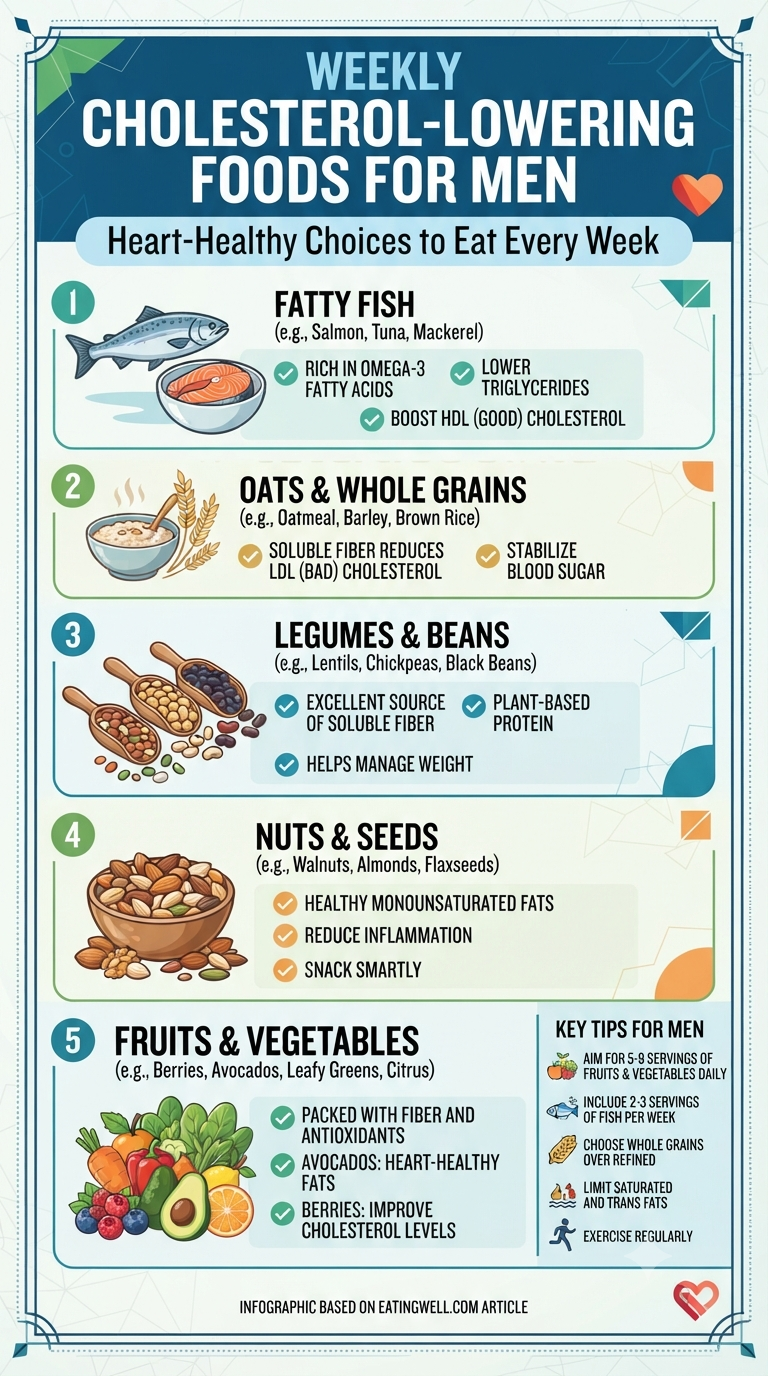
When it comes to longevity, men often focus on building muscle or increasing stamina, but there is a silent powerhouse that deserves just as much attention: your cholesterol levels. Managing cholesterol isn’t just about what you don’t eat—it’s about what you do add to your plate. If you’re looking for a simple, actionable way to…
Continue Reading Take Control of Your Heart Health: 5 Simple Foods to Add to Your Weekly Routine
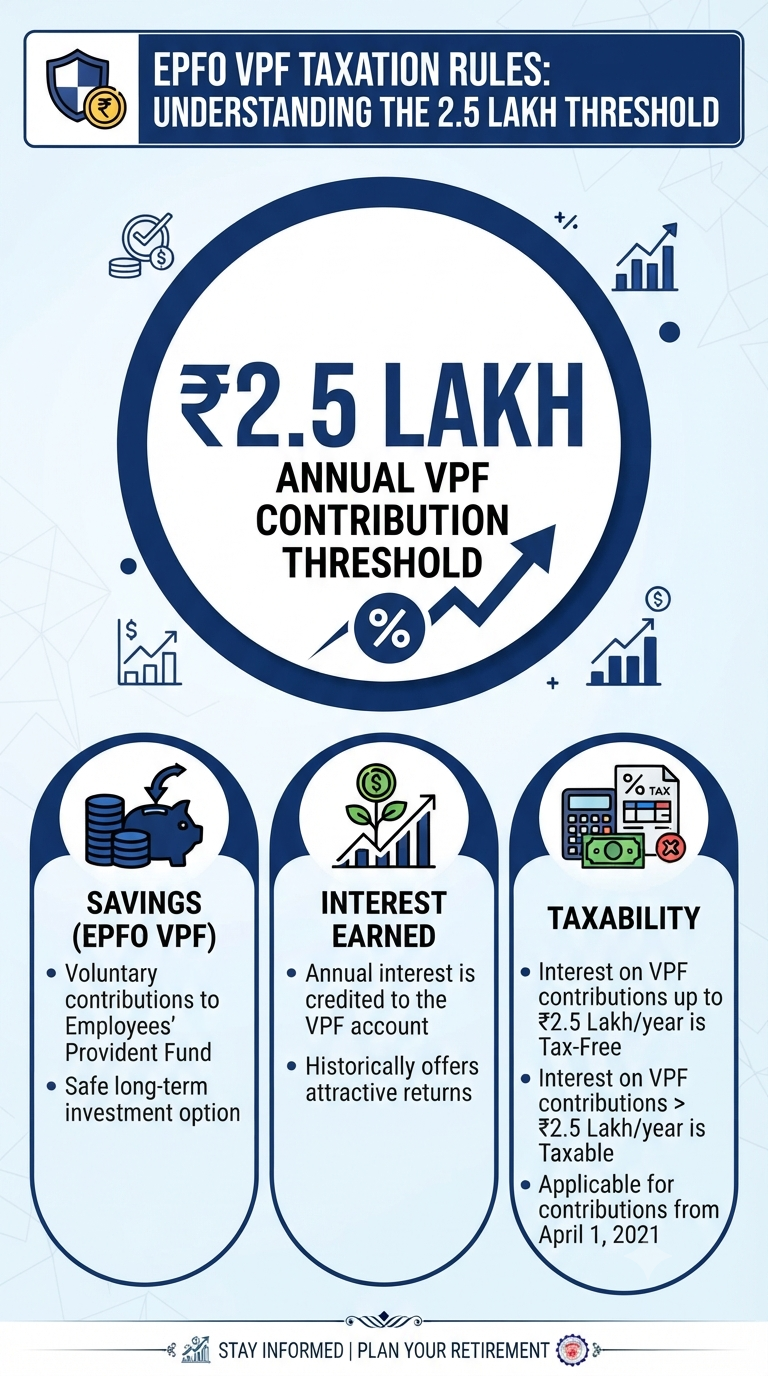
If you’ve been meticulously planning your retirement and using the Voluntary Provident Fund (VPF) as your go-to “set it and forget it” investment vehicle, you’re not alone. It’s a favorite for conservative investors who love the safety, the government backing, and those consistent returns that often outshine standard savings instruments. But, if you’ve been pumping…
Continue Reading Beyond the Threshold: Making Sense of the EPFO VPF Taxation Rule

Shreejith is the founder of InfographicStory.com, a hub for visual learning and data storytelling. Dedicated to simplifying complex ideas, he creates infographics that turn facts into insights. Have questions or collaboration ideas? Reach out to him at storyinfographic@gmail.com.