We often think of diabetes and blood sugar management in terms of what’s on our plate: too much sugar, too many carbs, or not enough fiber. But what if the culprit isn’t just your diet, but the invisible weight you’re carrying in your mind?
Stress has become a modern-day epidemic, but its impact goes far beyond feeling overwhelmed or tired. If you’ve ever wondered why your glucose numbers remain stubborn despite eating well, the answer might be hiding in your stress response.
The Science of “Fight or Flight”
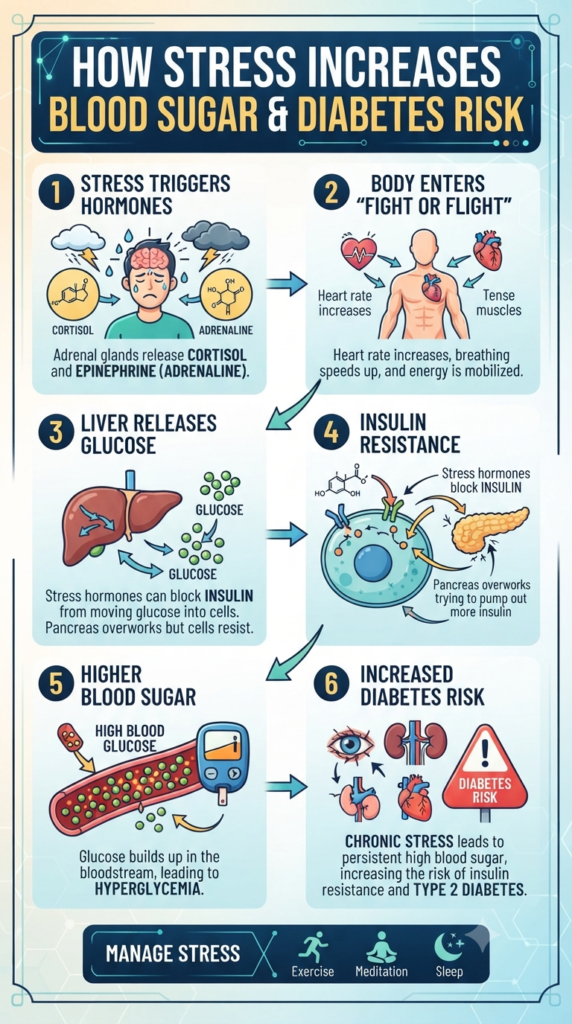
When you encounter a stressful situation—whether it’s a deadline at work or a personal conflict—your body goes into “fight or flight” mode. To help you survive this perceived threat, your adrenal glands release a cocktail of hormones, primarily cortisol and adrenaline.
In our evolutionary past, this was a life-saving mechanism that provided a quick burst of energy to get us out of danger. But in the modern world, where stress is often chronic rather than immediate, this system can backfire.
The Domino Effect on Your Metabolism
When these stress hormones flood your system, they trigger a specific chain reaction in your body:
- A Glucose Surge: Your liver is signaled to release extra glucose into your bloodstream to ensure you have enough “fuel” to handle the stress.
- The Insulin Roadblock: Simultaneously, these hormones make your cells less responsive to insulin—a condition known as insulin resistance.
- The Pancreatic Overdrive: Your pancreas tries to compensate by pumping out even more insulin, but if it’s already struggling, it simply cannot keep up with the demand.
The result? The glucose that should be fueling your cells stays trapped in your bloodstream, leading to elevated blood sugar levels—or hyperglycemia.
When Stress Becomes Chronic
The real danger lies in prolonged, daily stress. When your body is stuck in this high-alert state, the consequences become systemic:
- Persistent Inflammation: Chronic stress is linked to inflammatory markers that further disrupt how your body handles insulin.
- Fat Storage: Constant cortisol spikes are notorious for promoting fat storage, particularly around the midsection.
- Lifestyle Spirals: We all know how stress works—it leaves us too exhausted to exercise, disrupts our sleep, and drives us toward comfort foods that are often packed with calories.
Is Stress a Cause of Diabetes?
Experts generally don’t view stress as the sole cause of Type 2 diabetes. Instead, think of stress as an amplifier. If you have other risk factors—such as a genetic predisposition, a sedentary lifestyle, or an unhealthy diet—stress acts as a catalyst that can push your metabolism over the edge, potentially leading to prediabetes or Type 2 diabetes.
Taking Control
The good news? You can break the cycle. By recognizing that stress is a metabolic factor, you can start treating it with the same seriousness as your diet.
Integrating simple habits—like regular physical activity to burn off excess glucose, prioritizing quality sleep, and practicing mindfulness to calm the nervous system—isn’t just about “feeling better.” It’s a vital strategy for protecting your long-term metabolic health.
The next time you feel that familiar tension rising, remember: taking a moment to breathe isn’t just good for your peace of mind—it’s a direct act of care for your blood sugar.
Why That Mosquito Bite is Driving You Crazy (And Why You Absolutely Must Stop Scratching!)
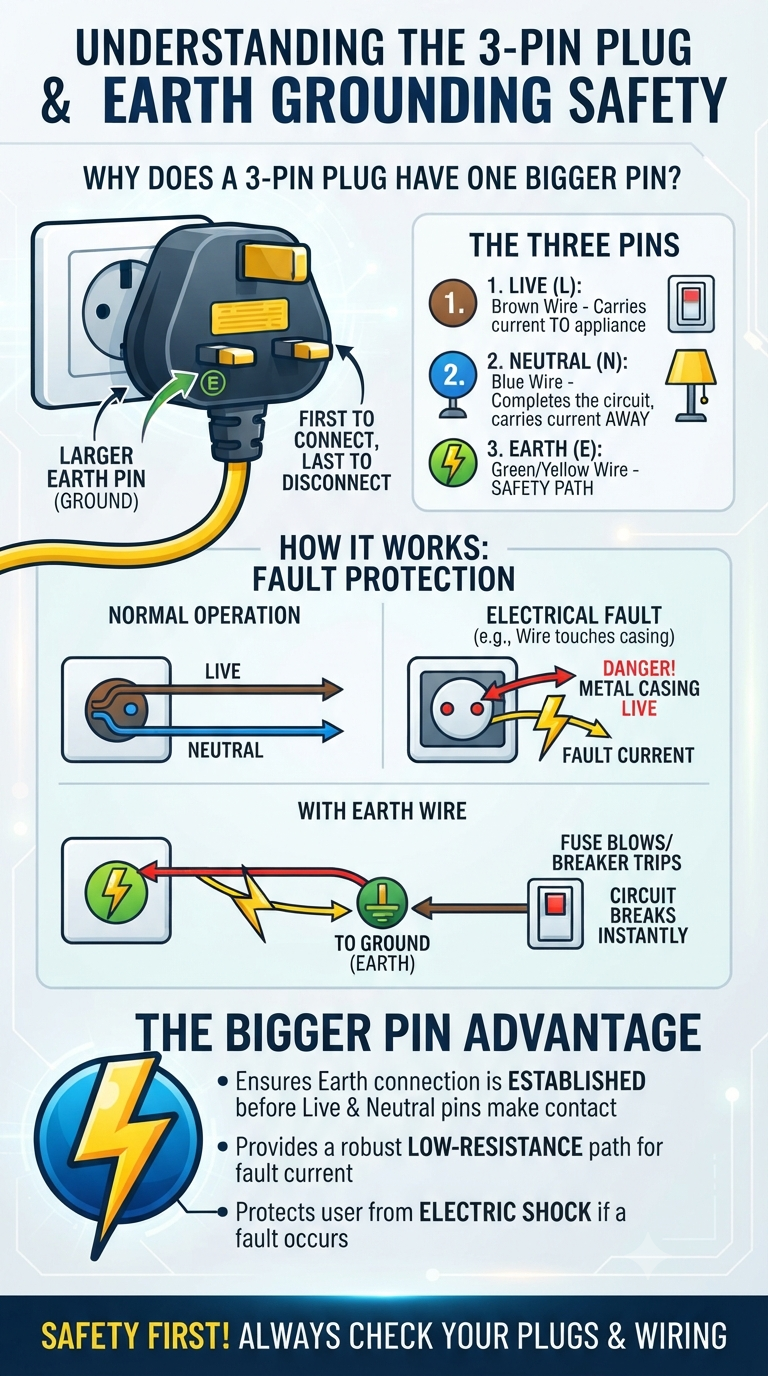
We’ve all been there—plugging in a heavy-duty appliance like an AC, a refrigerator, or a microwave, and noticing that one of the pins on the plug is noticeably bigger, thicker, or sometimes longer than the other two. It’s a design quirk that’s easy to overlook, but it’s actually one of the most important safety features…
Continue Reading Why Does That One Plug Pin Look Different? The Secret to Electrical Safety at Home
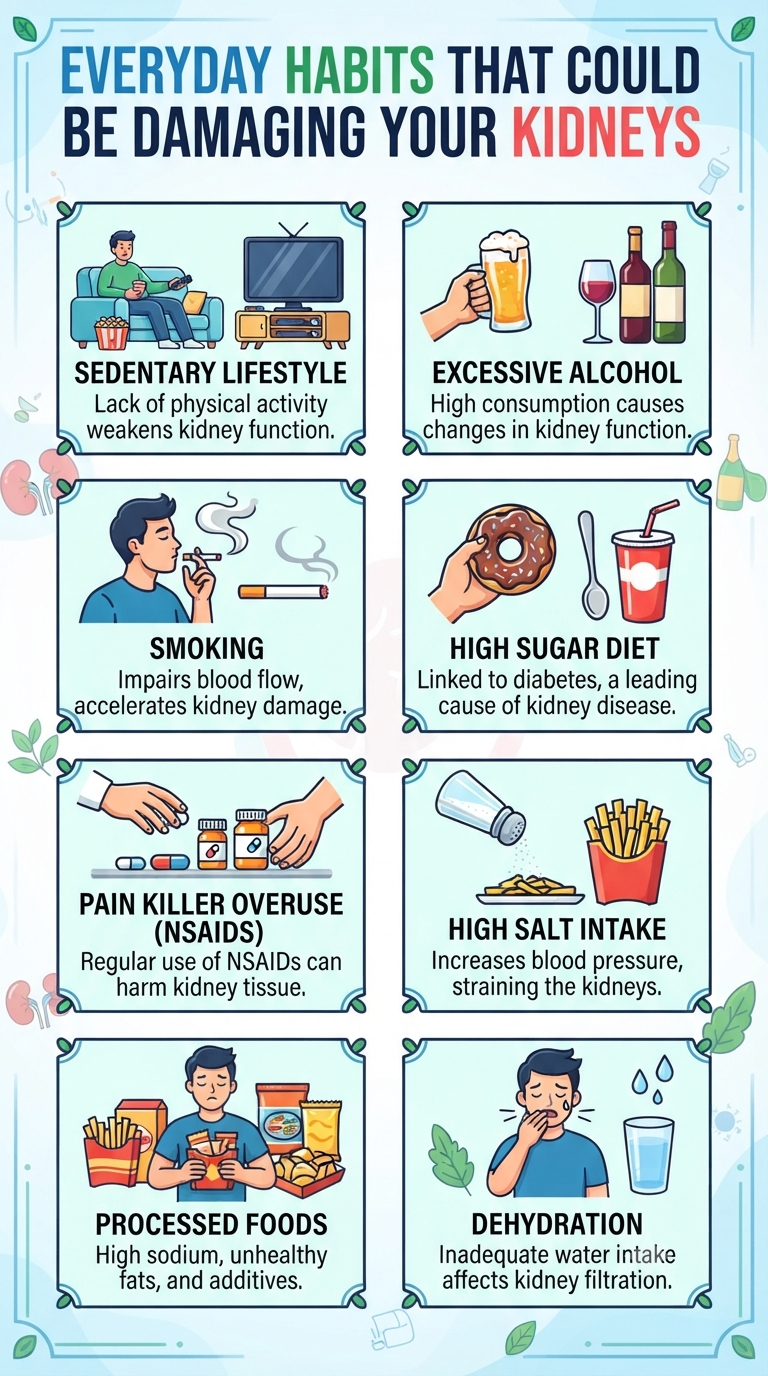
Your kidneys are the unsung heroes of your body, working tirelessly 24/7 to filter waste, regulate blood pressure, and balance fluids. Yet, we often unknowingly sabotage their vital work through the choices we make every single day. The infographic poster “Everyday Habits That Could Be Damaging Your Kidneys” highlights eight common culprits. Let’s dive deeper…
Continue Reading Silent Saboteurs: Are Your Daily Habits Secretly Harming Your Kidneys?
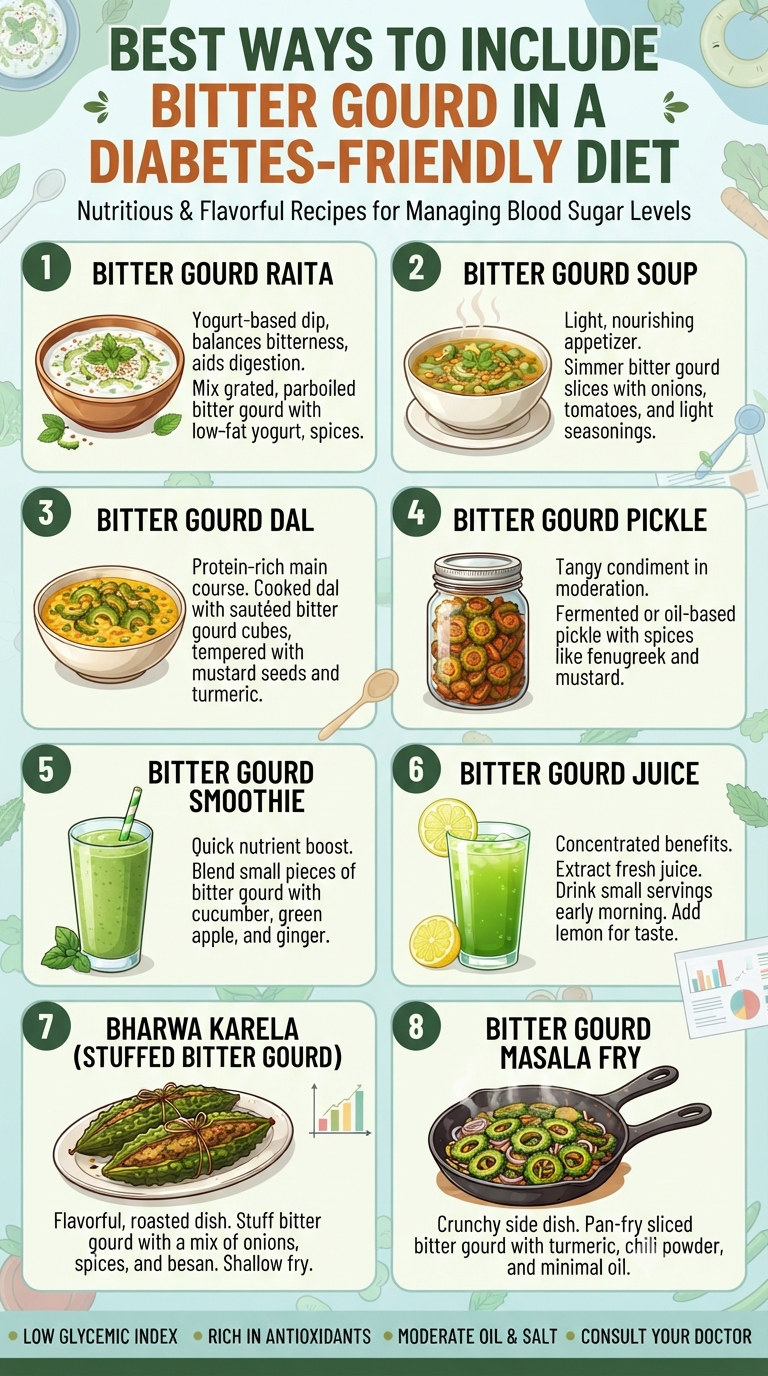
We’ve all heard it—or perhaps even said it ourselves—”I just can’t handle the taste of bitter gourd.” It’s a common sentiment for a vegetable that is, quite literally, named after its primary flavor profile. However, when it comes to managing blood sugar levels, few ingredients are as highly regarded in traditional and modern nutrition as…
Continue Reading Bitter Gourd: From “Too Bitter” to Diabetes-Friendly Superfood
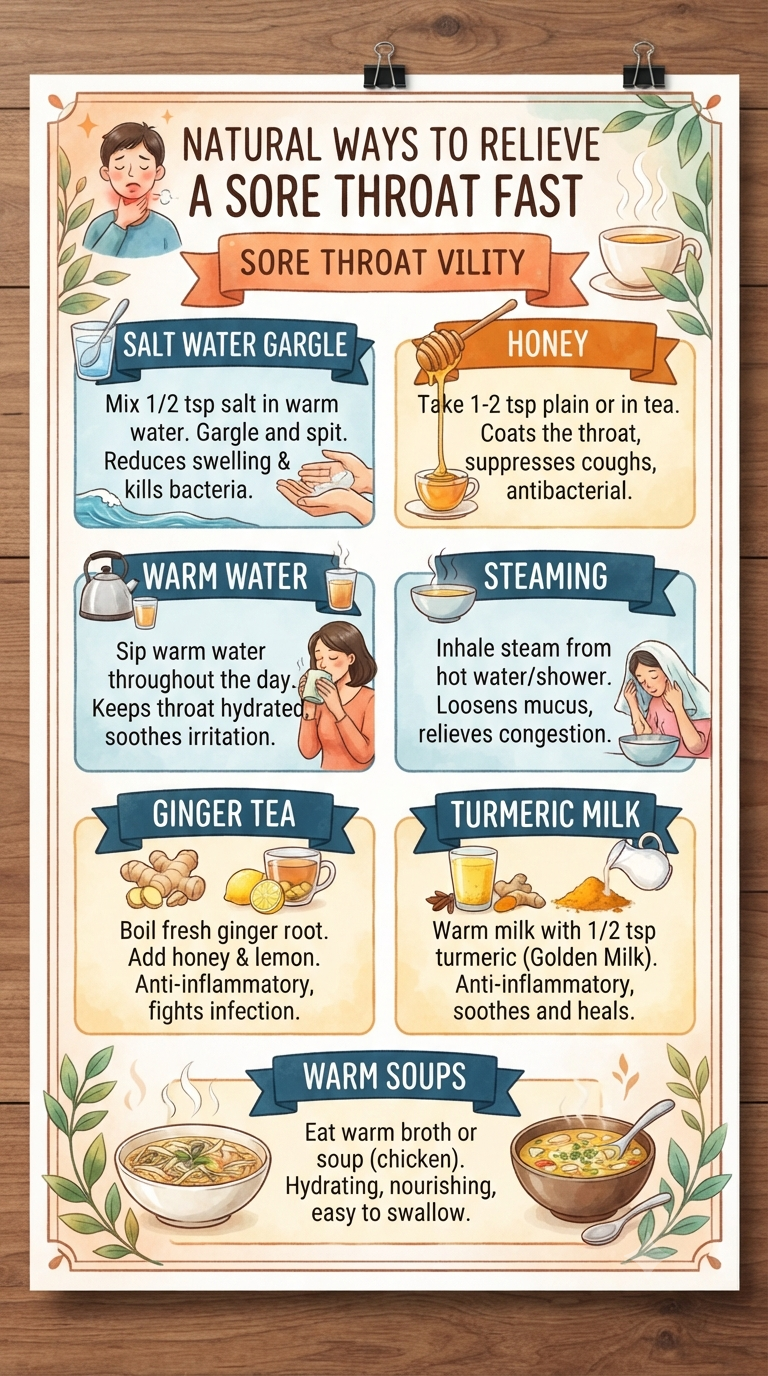
A sore throat is more than just an annoyance; it’s that scratchy, raw sensation that makes every swallow feel like a challenge. Whether it’s caused by the changing weather, a seasonal cold, or dry air, the immediate need is always the same: relief. While you might be tempted to run to the pharmacy, your kitchen…
Continue Reading Soothe Your Sore Throat: Simple, Natural Remedies That Work
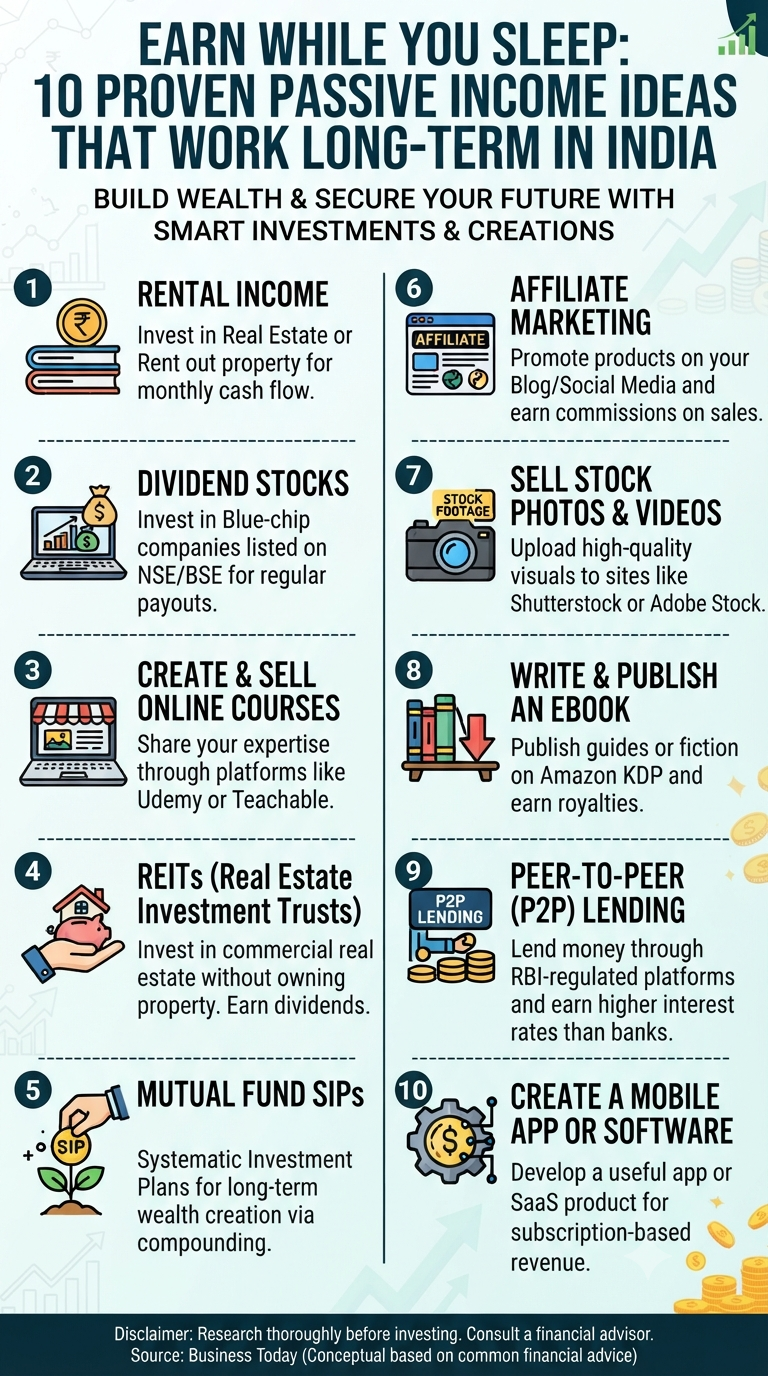
We’ve all heard the dream: making money while you sleep. It sounds like a marketing gimmick, but the truth is, it’s a legitimate financial strategy. The secret isn’t finding a “get rich quick” button; it’s about investing your time, capital, or skills upfront to build assets that pay you back long-term. In the Indian context,…
Continue Reading Escape the Grind: 10 Realistic Ways to Build Passive Income in India

We’ve all been there—the lights are off, the room is quiet, but your brain has decided it’s the perfect time to review every conversation you had three years ago or plan your entire to-do list for the next decade. Restless nights caused by “overthinking” are not just exhausting; they impact your mood, focus, and long-term…
Continue Reading Beyond the Midnight Overthink: 8 Simple Ways to Quiet Your Mind Before Bed

Shreejith is the founder of InfographicStory.com, a hub for visual learning and data storytelling. Dedicated to simplifying complex ideas, he creates infographics that turn facts into insights. Have questions or collaboration ideas? Reach out to him at storyinfographic@gmail.com.